Choosing all-mountain boots involves balancing protection, traction, and comfort across mixed terrains. The following five boots are well-suited for demanding hikes, hunts, and outdoor adventures in varying weather. This guide compares insulation, waterproofing, outsole design, and fit to help American readers select boots that perform on alpine trails, forested backcountry, and rugged fire roads. Each option below emphasizes durability and practical features for all-season use.
| Product | Brand | Key Benefit |
|---|---|---|
| Kenetrek Mountain Guide Non-Insulated Boot | Kenetrek | Durable leather, seamless tongue, strong traction |
| Kenetrek Mountain Extreme 400 Insulated Boot | Kenetrek | Warmth with 400g Thinsulate, rugged support |
| Kenetrek Mountain Extreme Non-Insulated Waterproof Boot | Kenetrek | Waterproof, robust grip, long-lasting construction |
| Timberland Mt Maddsen Waterproof Boot | Timberland | Waterproof leather, gusseted tongue, comfort |
| Meindl Comfort-Fit Extreme Gore-Tex Boot | Meindl | Gore-Tex waterproof, wide toe box, German craftsmanship |
Kenetrek Mountain Guide Non-Insulated Boot
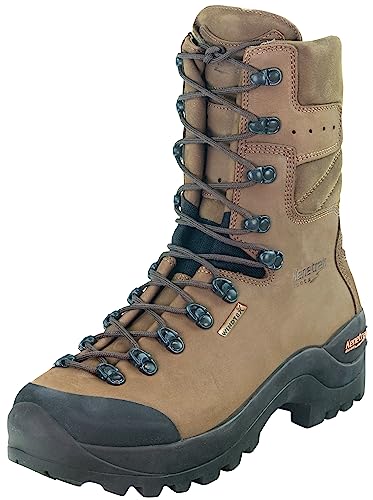
These boots feature 10″ tall leather uppers constructed from 2.8mm premium full-grain leather with a one-piece vamp, delivering abrasion resistance and improved waterproof performance. The seamless tongue design minimizes potential water entry and enhances durability for long expeditions. The leather is built for rugged environments, making them suitable for harsh backcountry days and heavy backpacking where protection matters most.
A custom K-73 outsole provides reliable traction on rocky trails, while a 7mm nylon midsole delivers stiffness and arch support for heavy packs. Reinforced double and triple stitching guards high-wear zones, and corrosion-resistant boot hardware is designed to withstand backcountry stress. This combination emphasizes long-term durability and consistent performance in demanding terrain.
Kenetrek Mountain Extreme 400 Insulated Hiking Boot
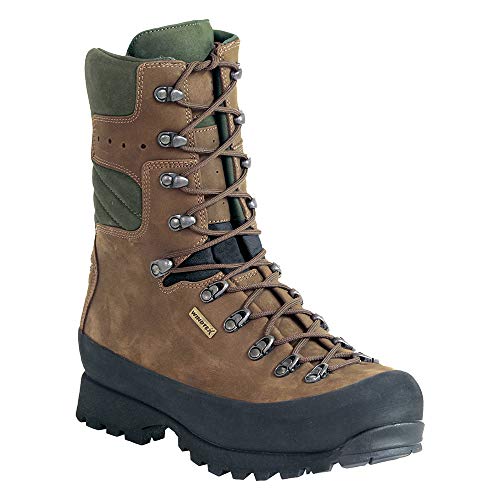
This boot uses 10″ tall leather uppers cut from 2.8 mm full-grain leather with double and triple stitching and a one-piece vamp, delivering long-lasting durability and added moisture resistance. The insulation adds warmth for cold conditions while maintaining overall boot integrity—an essential combination for late-season mountain use. The Kenetrek K-Talon Outsoles provide exceptional grip and rigid support to traverse difficult terrain, and the 7 mm nylon midsoles offer a solid foundation for stability during rugged ascents and descents.
With forged boot hardware that resists corrosion and swivels under stress, this boot prioritizes durability and reliability. The insulated design targets users who face cold mornings or high-altitude environments, providing comfort without compromising traction on varied surfaces.
Kenetrek Mountain Extreme Non-insulated Waterproof Boot
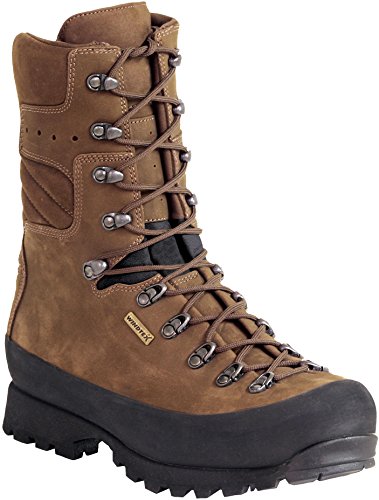
These boots rise to 10″ with leather uppers built from 2.8 mm full-grain leather, featuring double and triple stitching throughout for extended durability. The one-piece vamp design supports moisture resistance and ensures consistent fit when maneuvering through wet brush or damp trails. The K-Talon Outsole delivers exceptional grip and traction, while the 7 mm nylon midsole provides solid stability for uneven surfaces. Forged boot hardware further enhances corrosion resistance and long-term durability, making these boots dependable in wet or damp environments.
The non-insulated design focuses on water protection and breathability for temperate climates where extreme warmth isn’t required. The combination of waterproofing, traction, and sturdy construction makes them a solid choice for hunters and hikers who encounter mixed conditions.
Timberland Mt Maddsen Waterproof Hiking Boot

Upper construction uses waterproof Premium Timberland Leather, paired with a fully gusseted tongue and a lace-up style to maintain a secure, debris-free fit. The design emphasizes all-season protection and straightforward maintenance for everyday use on varied terrain. The boot is built with a practical approach to comfort, aligning with hikers who need reliable protection without specialized insulation requirements on milder days or in mild conditions.
In addition to waterproof leather, the Mt Maddsen is designed for durability and everyday wear. The combination of materials and a comfortable silhouette makes it a versatile choice for weekend hikes, commutes to the trailhead, and light outdoor chores in mixed weather.
Meindl Comfort-Fit Extreme Gore-Tex Waterproof Boot
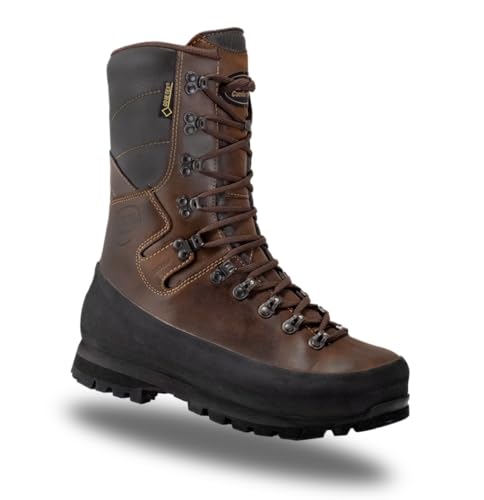
Meindl emphasizes a natural foot shape with Comfort-Fit technology and a wider toe box to deliver a comfortable, supportive fit for extended outings. The boot is Gore-Tex waterproof and uninsulated, making it suitable for varied conditions where warmth isn’t the primary concern. Made in Germany, these boots reflect a long-standing tradition of craftsmanship and attention to detail, aimed at outdoor enthusiasts who prioritize fit and reliability in demanding environments.
Meindl also notes sizing guidance for optimal fit, particularly for those who require a slightly larger or roomier toe box. The combination of waterproof protection, comfortable geometry, and precise construction supports extended hikes and hunting trips where comfort and fit are critical for performance over long days on rough terrain.
Buying Guide: Key Purchase Considerations
Fit and sizing are essential since even light differences in ankle support or toe box width can affect foot health over long days. Look for boots with a roomy toebox if you have a wider foot or require more wiggle room during long ascents.
Insulation should align with typical conditions. Insulated models excel in cold environments, while non-insulated options may perform better in warm-to-moderate climates due to greater breathability.
Waterproofing And Materials
Leather boots generally offer durability and water resistance, but the addition of a Gore-Tex lining or seam-sealed construction can significantly improve waterproof performance. Consider how much moisture you expect to encounter, and whether you’ll be wading or crossing wet brush.
Materials influence weight and maintenance. Full-grain leather tends to be durable but heavier; synthetic uppers can save weight but may require more frequent care to retain waterproofing.
Outsole And Traction
Outsole design affects grip on rock, mud, snow, and loose debris. Look for deep, multidirectional lug patterns and a midsole that provides torsional stiffness suitable for carrying heavier packs.
K-Talon and similar proprietary outsoles offer robust grip, but check for compatibility with your typical terrain. A solid outsole improves stability and reduces foot fatigue on long treks.
Height, Support, And Weight
Boot height (mid vs high) influences ankle protection and debris protection. High-cut boots often provide better ankle support for uneven terrain but can be heavier and warmer.
Weight matters for endurance. Heavier boots may offer more protection, while lighter models improve speed and reduce fatigue on day trips.
Maintenance And Longevity
Regular cleaning and conditioning extend leather life, while proper drying and storage preserve the boot’s waterproofing and structural integrity. Pay attention to stitching and hardware condition, as these areas commonly wear first in rugged environments.
Consider the warranty and brand reputation as part of the buying decision. A robust warranty can provide peace of mind when investing in high-performance boots for backcountry use.
Summary Of Comparisons
- Insulated vs Non-Insulated: Insulated models (e.g., 400g Thinsulate) suit cold environments; non-insulated options are typically lighter and more breathable for milder climates.
- Waterproofing: Gore-Tex or seam-sealed leather offers strong protection; look for welded seams and water-repellent finishes for long-term reliability.
- Outsole: K-Talon or similar outsoles emphasize grip and stability; trail conditions determine the best choice (rocky, muddy, wet, or mixed).
- Fit: Consider toe box width and arch support; some brands emphasize a wider fit, which can improve comfort on long hikes.
- Maintenance: Leather boots require conditioning and drying after use; synthetic uppers may need different care routines.