Selecting the right ASA 52/300 softball can improve practice efficiency, help players prepare for league games, and protect bats during warmups. The following five options represent trusted brands with durable cores, official certifications, and reliable performance in hot weather. They cover 11-inch practice balls and 12-inch game balls, all with 52/300 compression and ASA or USA stamping. This guide compares key specs, durability features, and play suitability to help teams, leagues, and individual players choose with confidence.
| Product | Brand | Size/Compression | Notable Feature |
|---|---|---|---|
| 1 Dozen Evil Ball 12″ ASA 52/300 | Trump/Evil Sports | 12″ / 52/300 | One Dozen Softballs |
| X-Rock 12″ ASA Softball Dozen | SPORTLIMIT | 12″ / 52/300 | Composite Leather Cover; ASA Approved |
| Evil Ball 12″ ASA 52-300 Distance | Evil Ball Evil Sports | 12″ / 52/300 | Distance Optimized; Hot Weather Ready |
| Dudley Thunder SY HYCON 11″ | DUDLEY | 11″ / 52/300 | HYCON Core; USA/ASA Certified |
| Champro ASA 11″ Slow Pitch Softballs | CHAMPRO | 11″ / 52 COR | Durahide Cover; Flat Seams |
Best Evil Ball 12-Inch ASA Softball 52/300
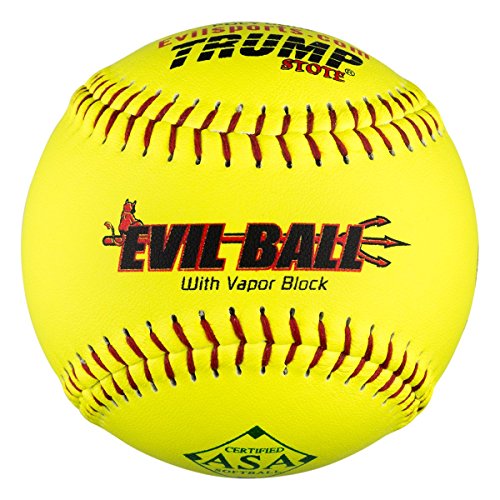
The 12-inch Evil Ball ASA softball features a 52/300 core compression, a standard size for league play, and is sold in a one-dozen pack. The 52/300 compression is designed to provide consistent flight and forged durability under repeated swings. This ball suits teams seeking reliable practice and game-ready performance in warm conditions. The official ASA designation ensures eligibility for many slowpitch leagues, making it a practical choice for practices that mirror game day execution. Its construction aims to balance distance with durability, especially during long summer sessions.
Best X-Rock 52/300 ASA Softball Dozen

X-Rock softball from SPORTLIMIT pairs a 52/300 core with a composite leather cover, offering a durable surface that holds up through multiple seasons of practice and league play. Approved for ASA competition, these 12-inch balls are built to provide predictable travel and reduced wear on bats. Elite players often lean on X-Rock for consistency in both fielding drills and distance-focused hitting practice. The composite cover enhances visibility and reduces scuffs during high-volume practices, making them a practical option for teams emphasizing repeatable trajectories.
Best Evil Ball 12″ ASA 52/300 Distance

This Evil Ball 12″ ASA softball emphasizes distance with its 52/300 compression and bright yellow color for high visibility in sunny conditions. The 12″ size is standard for most league play, and the 52/300 compression promotes longer flight and stable performance off the bat. Pack options typically include a dozen balls, making it suited for large teams or frequent practice squads. In hot weather, the design aims to preserve ball integrity and minimize mushiness or softening that can occur in high heat.
Best Dudley Thunder HYCON 11″ 52/300 Softballs
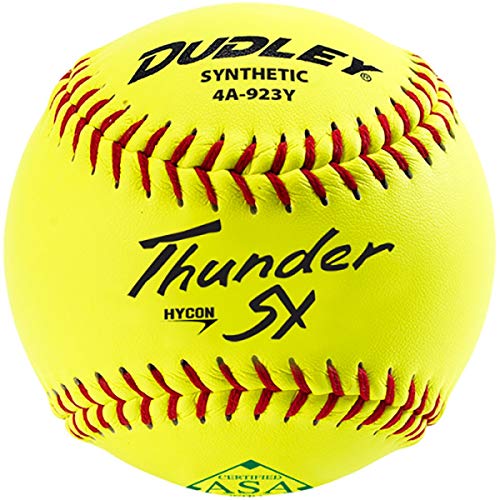
Dudley’s Thunder SY HYCON slowpitch softball uses a cross-linked polyurethane core designed for speed and durability, with a size of 11 inches and a 52/300 compression rating. This configuration targets players seeking a consistent, fast-flying ball in USA/ASA leagues. The HYCON construction aims to optimize energy transfer and minimize core deformation after repeated hits. Its 11-inch diameter makes it ideal for academy drills and smaller field setups where regulation 12-inch balls are less practical or allowed for practice sessions.
Best Champro ASA 11-Inch Slow Pitch Softball 52 COR

Champro’s 11-inch slow pitch softball features a .52 COR rating and an ASA certification, making it a strong option for training that aligns with game-day specs. The long-lasting Durahide cover boosts durability and visibility with optic yellow coloring, while flat red seams help reduce wind resistance and improve tracking. This combination is well-suited for practice settings where players work on contact accuracy and trajectory consistency. The smaller 11-inch size is often used for private coaching sessions or training leagues that regulate ball size differently from official 12-inch play.
Buying Guide
Key considerations when choosing ASA 52/300 softballs include certification, size, core compression, cover material, and wind or weather performance. While all options here meet the 52/300 standard, some are better suited for specific environments or training goals. ASA and USA certifications indicate eligibility for different leagues, so check league rules before purchasing. Ball size matters: 12-inch balls are standard for most slowpitch games, while 11-inch practice and training balls offer maneuverability in limited spaces or specialized clinics.
- Certification and league eligibility: Verify ASA or USA stamping to ensure compliance with local leagues and tournaments.
- Size and compression: 12-inch balls with 52/300 compression balance distance with durability; 11-inch balls fit certain training programs and backyard setups.
- Cover material: Composite leather and Durahide covers offer durability and visibility. Opt for a cover that withstands frequent practice swings without cracking.
- Visibility: Bright optic yellow or high-contrast stitching helps players track the ball in sunlit fields and against grass.
- Wind resistance and seams: Flat seams can reduce wind drag, aiding more accurate flight paths during windy days or outdoor sessions.
- Durability and weather tolerance: Core design and materials should retain performance in hot climates and varied field conditions.
- Value and quantity: Dozen packs are common; assess whether your team needs game-ready balls or more practice-oriented options.
- Usage: Distinguish between game balls for league play and training balls for practice, warmups, and batting practice.
When comparing options, consider the primary use case: game-ready practice, league play, or batting practice. 12-inch balls with durable composite or Durahide covers are generally preferred for season-long play due to predictable flight and resilience. For clinics and training camps, 11-inch balls can offer tighter control and teaching effectiveness. Reading product features like core compression and cover type helps predict how the ball will respond on contact and in flight, aiding coaches in selecting the right equipment for their teams.