Choosing the right belt can sharpen your squat form, protect the lower back, and help you push heavier loads. This guide reviews five top belts designed for belt-squat setups and standard squats. Each option emphasizes a low-profile side design, strong back support panels, and secure buckles that stay put under load. The list includes dedicated belt-squat belts and versatile lifting belts that perform well in squats, hip belt squats, and related movements. Use this buying guide to match features with your equipment and training style.
| Product | Brand | Notable Feature |
|---|---|---|
| TheFITGUY Ultimate Belt For Belt Squats | THEFITGUY | Low-profile, 5-panel back, secure buckle |
| Belt For Belt Squats, Rack Attachment & Squat Machine | TAVIEW | Low-profile straps, EVA back panels |
| 3-in-1 Weighted Pull Up Belt | COFOF | 3-in-1 use, self-locking buckle, lumbar support |
| RitFit Weight Lifting Belt | RitFit | 6-inch wide, contoured, core stability |
| Spud Black Belt Squat Large Belt | Spud, Inc. | 54” long, 5.5” thick, rings included |
THEFITGUY Ultimate Belt For Belt Squats
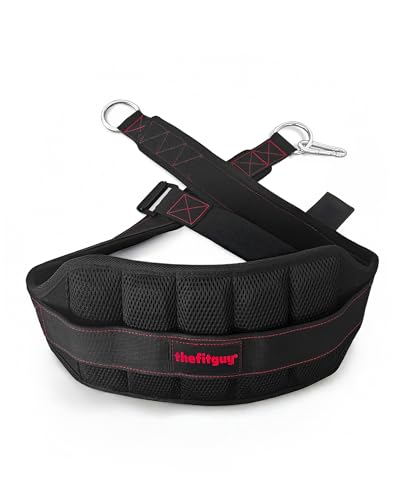
Designed for belt-squat work, this belt prioritizes a low-profile design to avoid interference during deep squats and rack movements. The 2.36-inch padded side straps stay out of the way, reducing bunching and shifting as you descend. A reinforced 5-panel back provides solid lumbar support without restricting motion, ideal for heavy sets. The adjustable 2-inch strap with a sturdy metal buckle delivers a secure, no-slip fit, keeping the belt locked in place through each rep. This model targets belt squats, rack attachments, and tough machine work.
Belt For Belt Squats, Rack Attachment & Squat Machine

Built for squat machines and lever arms, the TAVIEW belt emphasizes a compact footprint with 2.2-inch side straps that stay secure during deep squats. Five EVA back panels deliver robust lumbar reinforcement to help maintain form under load. A 2-inch adjustable strap and sturdy metal buckle ensure a snug fit for waist sizes up to 50 inches. The belt remains stable during heavy sets, making it a solid match for belt-squat setups, rack attachments, and standard squats alike.
COFOF 3-in-1 Weighted Belt

COFOF’s 3-in-1 Weighted Belt combines belt squat capability with a dip belt and pull-up functionality. It uses an all-metal self-locking buckle and dual fixation with hook-and-loop strips to prevent slip during lifts, providing focus and safety as you add resistance for squats, pulls, and dips. A 7.1-inch lumbar support follows the natural curve of the body to stabilize intra-abdominal pressure, while a breathable EVA mesh fabric keeps you cooler during long sets. The 38-inch chain supports substantial weights, enhancing versatility for various lifts.
RitFit Weight Lifting Belt

RitFit’s Weight Lifting Belt centers on a 6-inch wide, contoured design that stabilizes the back, abs, and core for powerful squats and deadlifts. Made from premium reinforced tricot, it resists wear and stays comfortable without riding up or digging in. By promoting consistent intra-abdominal pressure, the belt supports safer technique and stronger performance across a range of lifts. The design prioritizes durability and comfort for regular squat training and rack work, providing reliable core support over time.
Spud Black Belt Squat Large Belt

The Spud Black Belt Squat Large Belt is built for belt squats and heavy loads. It measures 54 inches long (57 inches with rings) and is 5.5 inches thick, offering substantial support and stability. The belt’s length and thickness distribute pressure across the torso for improved hip-hinge control during belt squats and related movements. White or black stitching gives a rugged appearance, and optional rings add to setup versatility for belt-squat machines and racks.
Buying Guide
Choosing the right belt for squats depends on how you train, your equipment, and comfort preferences. Consider whether you want a belt dedicated to belt squats or a versatile lifting belt that handles squats, pulls, and dips. A low-profile design helps with clearance in rack-based setups, while multiple back panels or a contoured back improve lumbar support during heavy sets. Security matters—look for a buckle and strap system that remains locked under load. Durability is key; materials like EVA, reinforced tricot, and steel hardware withstand long-term use.
What To Look For In A Belt For Squats
- Compatibility with your equipment: belt-squat machines, lever arms, and rack attachments require specific widths and shapes.
- Profile and padding: low-profile sides prevent interference; padding protects hips and thighs during deep reps.
- Back support: number of panels and lumbar reinforcement affect form and safety under heavy loads.
- Locking mechanism: a secure buckle and robust strap prevent slipping mid-set.
- Size range and adjustability: ensure the belt fits your waist comfortably and remains secure as you train.
- Material durability: look for reinforced fabrics, stitching, and corrosion-resistant hardware for longevity.
- Maintenance: easy cleaning and inspection help extend belt life.
- Intended use: belt-squat specificity vs multi-use lifting belts affects performance in different lifts.
- Cost vs value: balance price with durability, support level, and warranty.
Two Common Setups And What They Need
Dedicated belt-squat belts are ideal when your primary focus is belt-squat movements and rack work; they emphasize low-profile sides and targeted back support. For lifters who train various lifts, a versatile weight lifting belt with strong lumbar support can handle squats, deadlifts, and pulls, offering broader value. Always verify compatibility with your rack height, lever arms, and gym layout before purchasing.
Care, Durability, And Warranty Considerations
Regular inspection for stitching wear, buckle integrity, and strap fraying helps prevent failure during heavy sets. Clean belts according to material guidelines to maintain padding and shape. Look for belts with solid warranties or customer support to address wear and tear over time. Durable options typically offer longer lifespans, balancing upfront cost with long-term performance.