Choosing the right freediving fins can directly impact depth, energy efficiency, and comfort. The five selections below emphasize propulsion, blade materials, and foot-pocket design to support long sessions and varied water conditions. Whether you favor longer blades for deep dives or compact fins for surface swimming, these picks from SEAC, Wave, and Mares offer dependable performance for American divers across recreational and training dives.
| Product | Key Feature |
|---|---|
| Seac Shout Camo Grey Fins | Thermoplastic techno polymer blade; full-foot pocket; efficient thrust |
| Seac Talent Camo Grey Fins | Thermoplastic techno polymer blade; secure full-foot pocket |
| Wave Long Blade Freediving Fins | Replaceable polypropylene blades; tear-resistant TPR pocket |
| Seac Motus Black Fins | Techno-polymer blade; dual-density pocket; 22° angle |
| Mares X-Wing Short Freediving Fins | Elastomer blades; 30° inclination; V-tip |
Seac Shout Camo Grey Fins

Seac Shout Camo Grey Fins are built for freedivers who prioritize propulsion and comfort during long sessions. The blade uses a thermoplastic techno polymer, delivering solid power transfer with each kick. The full-foot pocket is made from thermoplastic rubber to keep the foot snug and reduce fatigue when depth changes or current shifts. The blade’s design balances stiffness and responsiveness, supporting stable underwater control in varied water conditions.
- Maximum Power Transfer: Thermoplastic techno polymer blade for efficient propulsion.
- Comfortable Foot Pocket: Thermoplastic rubber pocket for secure, fatigue-reducing wear.
- Optimized Blade Material: Balanced flex and responsiveness for agility in diverse conditions.
Seac Talent Camo Grey Fins

Seac Talent Freediving Fins offer strong propulsion with a thermoplastic techno polymer blade paired with a full-foot pocket in thermoplastic rubber. The combination emphasizes a secure, comfortable fit suitable for extended freediving sessions while maintaining efficient energy transfer. The blade material provides durability and responsiveness to support quick starts and steady thrust through varying depths.
- Maximum Power Transfer: Thermoplastic techno polymer blade for efficient energy conversion.
- Ultimate Comfort Fit: Full-foot pocket in thermoplastic rubber for secure wear.
- Superior Blade Material: Durable, responsive blade for varied conditions.
Wave Long Blade Freediving Fins
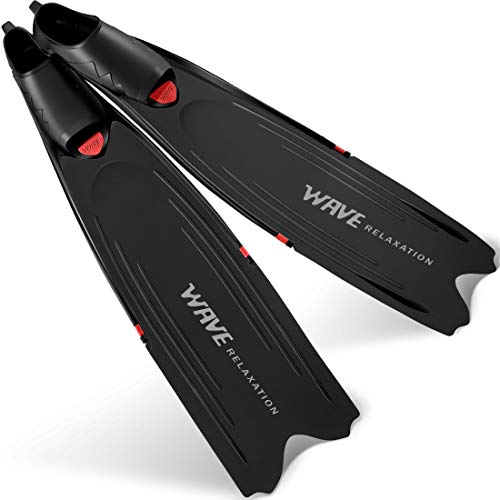
WAVE Long Blade Freediving Fins prioritize propulsion and stability for freediving and spearfishing. The blades are replaceable and made from high-strength polypropylene, delivering lightness without sacrificing thrust. The tear-resistant TPR foot pocket wraps around the foot to guarantee efficient transmission of leg thrust into the blade, improving propulsion efficiency across strokes and depths.
- Better Performance: Designed for freediving and spearfishing.
- Stronger Long Diving Fins: Replaceable blades of high-strength polypropylene.
- Higher Propulsion Efficiency: TPR foot pocket ensures perfect transmission of thrust.
Seac Motus Black Fins

Seac Motus Freediving Fins feature a techno-polymer blade that efficiently converts leg movement into propulsion, supporting steady performance under water. The full-foot pocket is crafted from dual-density thermoplastic rubber for a snug, comfortable fit that reduces fatigue on long dives. The 22° blade angle is engineered to optimize hydrodynamics, helping divers maximize thrust with less effort.
- Maximum Power Transfer: Techno-polymer blade improves propulsion.
- Comfortable Foot Pocket: Dual-density thermoplastic rubber for secure fit.
- Optimized Blade Angle: 22° angle for better hydrodynamics.
Buying Guide
Blade Material And Flex
Blade material affects stiffness, weight, durability, and price. Thermoplastic techno polymer blades balance stiffness and flexibility for versatile freediving. Carbon fiber blades offer high stiffness and efficiency but come at a premium and require careful handling. Polypropylene blades keep fins lightweight and affordable, often used in longer blades for deep diving. Elastomer blades provide a softer feel for comfort, though stiffness varies by design.
Blade Length And Propulsion
Longer blades generally generate more propulsion at depth, suitable for deep freediving and spearfishing. Short blades deliver quicker response, maneuverability, and easier handling in tight spaces or on the surface, but may require more effort to maintain depth during longer dives.
Foot Pocket Comfort And Fit
A secure, comfortable foot pocket reduces fatigue and improves control. Full-foot pockets are common for freediving fins, while some designs use replaceable or split pockets for customization. Proper sizing is essential to minimize energy loss and prevent numbness or hot spots during long sessions.
Durability, Maintenance, And Longevity
Inspect blade attachments, pockets, and connections for signs of wear. Rinse fins after use, avoid excessive sun exposure, and store in a cool, dry place. Some models offer replaceable blades or components, which can extend overall life in high-use scenarios.
Fit, Sizing, And Brand Guides
Size charts vary by brand; consult each guide before purchasing. Foot shape and arch support influence fit more than length alone. If possible, choose options with return policies or try-before-you-buy programs to ensure an accurate fit for frequent diving sessions.
Budget, Value, And Performance Balance
Balance goals with budget. Carbon fiber fins may offer long-term efficiency but require higher upfront costs. Polymer and elastomer blends provide solid performance at lower prices and can suit most recreational freedivers. Consider diving frequency, depth targets, and comfort when evaluating price versus performance.