Foam rolling is a staple for athletes seeking faster recovery, improved mobility, and reduced muscle soreness. The right roller supports warm-ups and post-workout therapy by encouraging tissue aeration and blood flow. Below are five high-density options suited for different training styles—from deep-tissue work to portable travel rollers. Each pick is evaluated for durability, firmness, and user comfort, helping you choose a tool that fits your routine and goals.
| Product | Brand | Length | Top Benefit |
|---|---|---|---|
| Amazon Basics High Density Foam Roller | Amazon Basics | 24 Inches | Firm, durable recovery tool |
| TriggerPoint Grid 1.0 Foam Roller | TriggerPoint | 13 Inches | Multi-density surface for targeted relief |
| Rollga Deep Tissue Foam Roller | Rollga | 18 Inches | Curved design for precise pressure |
| Yes4All High Density Foam Roller | Yes4All | 36 Inches | Full-body versatility and back focus |
| Foundation Roller 18 Inch | TriggerPoint | 18 Inches | Soft touch with durable shape |
Amazon Basics High Density Foam Roller

The Amazon Basics high-density foam roller delivers a firm surface designed for balance, core strengthening, and flexibility work. Its durable polypropylene core helps the roller maintain shape during heavy use, while molded edges offer extra comfort during spinal, hip, or leg-focused routines. A 24-inch length makes it versatile for full-body rolls as well as targeted releases, making it a practical option for athletes building a home recovery routine or adding post-workout therapy to gym sessions.
- High-density foam for firm support
- Durable polypropylene core maintains shape
- Molded edges for added comfort
- 24-inch length suits full-body and targeted work
TriggerPoint Grid 1.0 Foam Roller

The TriggerPoint Grid 1.0 is engineered for deep tissue work using a multi-density grid that mimics a hands-based massage. Its three-dimensional surface and varied ridges promote tissue aeration and blood flow to muscles after workouts, aiding recovery and flexibility. The 13-inch design balances portability with effective coverage, allowing athletes to focus on tight shoulders, hips, calves, and back without bulk in a gym bag or travel kit.
- Three-dimensional, multi-density surface
- Promotes circulation and faster recovery
- Distrodensity zones for comfort on different tissues
- Compact 13-inch size for portability
Rollga Deep Tissue Foam Roller
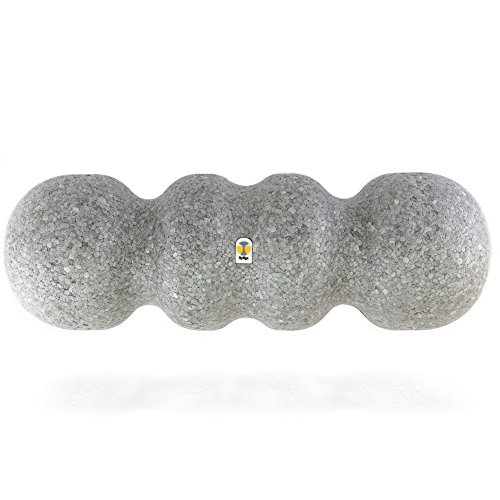
Rollga rollers emphasize targeted deep-tissue massage with a curved, open design that keeps contact with muscles while moving around bones and joints. This shape helps relieve back tension, unlock hips, and support mobility work for athletes requiring precise myofascial release. The contours support a natural rolling pattern across major muscle groups, making it suitable for pre-workout activation and post-workout recovery, including the back, glutes, quads, and calves.
- Curved, open design for targeted pressure
- Supports back and larger muscle groups
- Promotes faster recovery and mobility
- Popular with runners, climbers, and athletes
Yes4All High Density Foam Roller

Yes4All’s back-focused foam roller uses high-density EPP material for a firm, stable ride. Available in multiple sizes, it accommodates different body areas—from the full back to smaller regions like calves or forearms. The high density helps maintain form under pressure, making it suitable for athletes who want a precise, repeatable massage without collapsing or excessive give. It’s a durable option for home gyms or rehabilitation routines that require longer rolling sessions.
- High-density EPP for firm support
- Available in multiple lengths
- Ideal for back and core work
- Durable and shape-retaining
Foundation Roller 18 Inch

The Foundation Roller emphasizes moderate compression with a soft-touch surface, making it gentler on the skin while still delivering a reliable massage. This model is well-suited for beginners, sensitive areas, or athletes who prefer a milder, controlled rollout. Engineered to keep its shape over time, it remains effective through many sessions and easy travel. The 18-inch length provides a balance between coverage and portability for full-body rolls across the back, legs, and hips.
- Soft-touch surface for comfort
- Shape-retaining EVA construction
- Travel-friendly 18-inch size
Buying Guide
Choosing the right foam roller depends on your goals, budget, and training style. Consider these factors to find a tool that supports consistent practice and effective recovery.
- Density and firmness: Higher density rollers offer firmer pressure for deeper tissue work, while mid-range or softer options reduce discomfort for beginners or sensitive areas. Athletes targeting post-workout recovery often prefer high-density rollers for predictable, lasting pressure.
- Length and coverage: Longer rollers (e.g., 36 inches) cover larger muscle areas and are great for back and legs, but shorter rollers (12–18 inches or 13 inches) are more portable and easier to maneuver around joints. Choose a length that fits your space and goals.
- Texture and surface design: Textured or multi-density surfaces provide varied pressure. Flat rollers deliver consistent pressure, while ridged or grid patterns target trigger points more precisely. Think about whether you need broad tissue release or targeted myofascial work.
- Material and durability: EVA, EPP, and polypropylene cores each have different durability and rebound characteristics. Durable materials that resist deformation are important for long-term use, especially during frequent sessions or travel.
- Target areas and versatility: Some rollers specialize in back work or deep tissue release, while others are designed for full-body routines or travel. If you train across multiple modalities (running, cycling, weightlifting, yoga), a versatile model or a kit may reduce the need for multiple tools.
- Portability and storage: If you travel or commute to the gym, consider a compact roller or a set that includes smaller accessories like massage balls and straps. Weight and bulk can affect convenience in spaced-out training environments.
- Maintenance and cleaning: Look for materials that resist sweat and moisture, and that are easy to wipe down. Some rollers repel liquids, which can simplify cleaning after sweaty sessions.
- Price vs. durability: Higher upfront cost often correlates with longer-lasting materials and consistent performance. For athletes on a budget, starting with a reliable mid-density model can still provide substantial benefits.
- Usage guidance: For best results, pair rolling with a structured mobility or warm-up routine, and consider professional advice for addressing specific injuries or restricted range of motion.