For mountain biking, selecting the right Garmin device can elevate navigation, training, and safety on rugged trails. This guide highlights top Garmin models that excel on dirt roads, singletrack, and backcountry routes, focusing on mapping, performance metrics, and trail-ready features. Each option balances durability, battery life, and on-trail intelligence to help riders push boundaries with confidence.
| Model | Best For | Key Strengths |
|---|---|---|
| Edge 530 | Trail navigation & power data | Mapping, dynamic performance monitoring, Vector compatibility, safety features |
| Edge 1050 | Premium navigation & training | Vivid color touchscreen, speaker, extended battery saver, road hazard alerts |
| Edge 540 | Compact, capable training | Advanced navigation, adaptive coaching, strong battery life |
| Edge 840 | Touchscreen versatility | Touchscreen plus buttons, adaptive coaching, solid battery life |
| Varia RTL515 | Rear awareness & visibility | Rear radar up to 153 yards, tail light, smartphone compatibility |
Edge 530 GPS Cycling With Mapping

The Garmin Edge 530 is a performance-focused GPS cycling computer built for mountain bike trails. It offers built-in mapping to help riders navigate winding singletrack and rugged routes, along with compatibility for Vector power meters to display precise pedal power data. The touch interface makes selecting maps and routes quick while riding, which is essential when the line between smooth singletrack and rough terrain can change quickly on a descent.
Dynamic performance monitoring provides insights on VO2 max, training balance, recovery, heat and altitude acclimation, nutrition, and hydration when paired with compatible sensors. This feature set helps riders tailor workouts to mountain conditions and personal fitness. On-trail safety is enhanced with features like a bike alarm, group messaging and tracking, and compatibility with Variant rearview radar and lights when paired with a compatible smartphone, improving awareness in busy trail networks.
For riders who want trail-aware navigation without sacrificing training data, the Edge 530 provides a balanced mix of mapping, metrics, and safety tools. Its battery life supports multi-hour mountain sessions, while rugged construction accommodates dirt, mud, and rocky descents. If you value real-time performance data alongside navigational confidence, the Edge 530 is a strong option for mountain biking enthusiasts.
Edge 1050 Premium Cycling Computer

The Edge 1050 represents Garmin’s premium line with a vivid color touchscreen, built-in speaker, and expansive navigation capabilities. This model is designed for riders who want expansive mapping, robust planning tools, and strong smart connectivity on demanding rides. Its screen clarity and responsiveness improve route selection and trail planning even under bright sun or rain, helping riders stay oriented in unfamiliar terrain.
Advanced training and group ride features support structured workouts and community riding, while road hazard alerts keep you informed about potential risks on your route. Battery life is competitive for long adventures, delivering up to around 20 hours of operation in typical use and up to 60 hours in battery saver mode, making it suitable for long backcountry days where charging opportunities are limited. Edges like this are ideal for riders who demand top-tier navigation and training features in one package.
With authoritative map capability and proactive alerts, the Edge 1050 is a strong choice for riders who tackle marathon-style mountain bike routes or multi-day trips. It pairs with compatible sensors for in-depth analytics and can be a centerpiece for a connected, data-driven training plan on the trail.
Edge 540 Compact GPS Cycling Computer

The Edge 540 is a compact GPS cycling computer designed to deliver a robust set of features without overwhelming the rider. It combines advanced navigation with reliable performance tracking and smart connectivity. Button controls complement the device for situations where touch input may be impractical on wet or muddy laps, giving riders a reliable alternative on rough terrain.
Battery life on the Edge 540 reaches up to 26 hours in demanding use and up to 42 hours in battery saver mode, which is helpful for long mountain bike days. When paired with a compatible power meter and heart rate monitor, riders can view daily suggested workouts and coaching prompts that adapt to current training load and recovery. For riders seeking strong navigation and coaching in a compact form, the Edge 540 is a solid choice.
Edge 840 With Touchscreen And Coaching
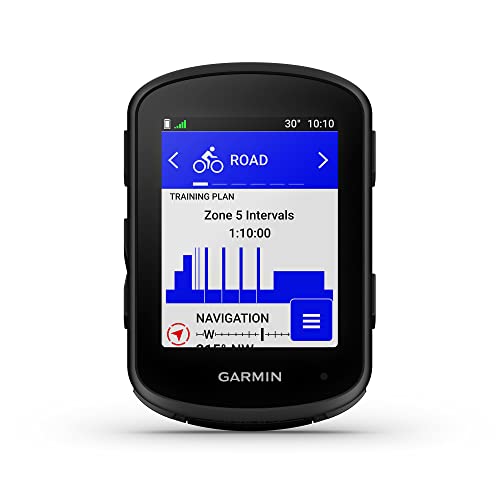
The Edge 840 offers a blend of touchscreen convenience and button control, designed for riders who want flexible input options during rides. Its advanced navigation and performance tracking capabilities help you plan routes, monitor training, and stay aware of your surroundings on technical trails. The device supports smart connectivity, making it easy to share routes and receive updates on the go.
With battery life up to 26 hours in demanding use and up to 32 hours in battery saver mode, the Edge 840 can handle longer rides without recharging. Like other high-end models, it supports daily workouts and coaching prompts that adapt to your current training load and recovery when used with a compatible power meter and heart rate monitor. This makes it an excellent option for riders who want a versatile device that handles navigation, training, and safety in one package.
Varia RTL515 Cycling Rearview Radar
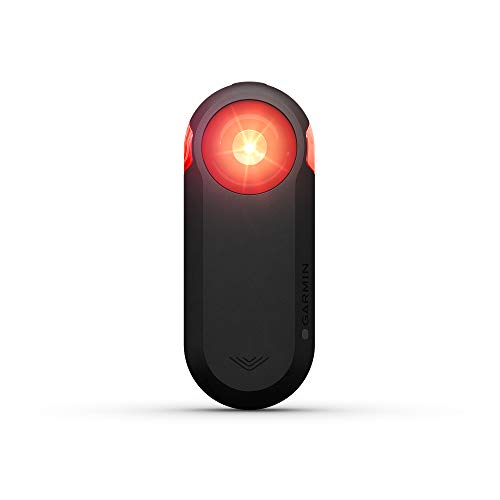
The Varia RTL515 is Garmin’s rearview radar with tail light, designed to keep you aware of approaching vehicles from behind. It can alert you up to 153 yards (140 meters) away, providing a critical safety edge on fast descents or dense traffic corridors. The system pairs seamlessly with Edge bike computers and compatible smartphones, and the Varia app adds graphics, tone, and vibration alerts to convey nearby traffic information clearly.
For mountain biking, this radar adds a proactive layer of safety by helping you anticipate vehicles and riders that you might not hear or see initially. Its tail light increases visibility, especially in low-light conditions. When combined with compatible Garmin devices, RTL515 enhances situational awareness without adding a lot of clutter on the ride screen.
Buying Guide
Choosing the right Garmin device for mountain biking involves balancing navigation, training, and safety needs with hardware practicality. Consider how you ride, the terrain you encounter, and the level of data you want to collect on long days in the backcountry. The following considerations help compare Garmin models and identify the best fit for your riding style.
Navigation And Trail Mapping
Mountain biking benefits from devices with detailed maps, turn-by-turn navigation, and trail routing. Models like Edge 530 and Edge 1050 offer confident trail mapping and route planning, which helps you stay on course in unfamiliar terrain. If you ride on long, remote routes, look for devices that provide reliable off-road navigation, preloaded maps, and the ability to add trail data or update routes in real time.
Training Metrics And Coaching
Performance monitoring helps riders optimize workouts and recovery. Features such as VO2 max, training balance, and recovery metrics guide your training cycles, while adaptive coaching prompts tailor workouts to your current load. The Edge 540 and Edge 840 provide coaching recommendations on screen, which is especially helpful after tough climbs or multi-day trips.
Power Meter And Sensor Compatibility
Power meters, heart rate monitors, and cadence sensors enrich data quality on the trail. All listed Garmin devices support power data when paired with compatible meters and sensors, enabling precise performance analytics and pacing strategies on climbs and sprints. If you already own a Vector power meter or other ANT+-enabled sensors, ensure your chosen model supports the same standards to maximize data accuracy.
Battery Life And Durability
Rugged terrain and long days in the saddle demand strong battery life. Edge models typically offer substantial endurance, with saver modes extending use during long adventures. Consider how many hours you typically ride between charges and choose a model whose battery life exceeds your typical ride length. Weather resistance and mount durability are also important on muddy or rocky trails.
Safety Features
On-trail safety can be a priority. Features like rearview radar and tail lights provide additional awareness of traffic and riders behind you, which is valuable on open descents or shared trails. App-based alerts and group-tracking options can help friends or teammates stay connected during rides, improving overall safety on remote routes.
Display Type And Input Method
Touchscreen versus button controls affects usability in wet or muddy conditions. A device with both input methods, like the Edge 840, can accommodate varying conditions during a ride. Screen visibility in bright sun and ease of navigation through maps are practical considerations to ensure quick access to crucial data without slowing you down on rough terrain.
Connectivity And Ecosystem
Consider how the device connects with your phone, other sensors, and training platforms. Bluetooth and smart notifications help you stay informed, while compatibility with live ride sharing, app logs, and community features can enrich your training program. If you rely on live ride sharing or aim to contribute trail data and road hazards, ensure the device supports these capabilities and integrates with your ecosystem.
Model Comparison At A Glance
| Model | Best For | Key Strengths |
|---|---|---|
| Edge 530 | Trail navigation | Mapping, performance data, safety features |
| Edge 1050 | Premium navigation | Vivid display, extended battery saver, road hazard alerts |
| Edge 540 | Compact coaching | Adaptive coaching, solid battery life |
| Edge 840 | Touchscreen flexibility | Touchscreen plus coaching, versatile input |
| Varia RTL515 | Rear safety | Rear radar, tail light, smartphone integration |