Choosing the right helmet for triathlon and time-trial riding blends aerodynamics, safety, and comfort. The five models below emphasize streamlined design, reliable protection, and practical features like visors or eyewear integration. Each option is analyzed for fit, ventilation, and how it supports long, fast rides from race day to training sessions.
Summary of Selected Products
| Product | Brand | Key Feature | Ideal For |
|---|---|---|---|
| SLS3 Triathlon Bike Helmet With Visor | SLS3 | Removable visor; 8 vents for cooling; one-size fit (21–23 in) | Aerodynamic triathlons and time trials with eye protection |
| Smith Signal Cycling Helmet | SMITH | MIPS protection; Koroyd coverage; 21 vents; AirEvac system | Road cycling with enhanced impact protection and eyewear integration |
| Giro Agilis MIPS Road Helmet | Giro | In-mold shell with wind tunnel ventilation; Roc Loc 5 fit | High-speed road cycling with secure fit and ventilation |
| KASK Utopia Y Aerodynamic Helmet | Kask | Aero-control design; rotational impact WG11; reflective inserts | Speed-focused riding with safety and visibility |
| Giro Aerohead MIPS Bike Helmet | Giro | Polycarbonate shell; Super Fit engineering | Sleek aero option with dependable fit |
SLS3 Triathlon Bike Helmet With Visor

The SLS3 Triathlon Bike Helmet is engineered for triathlons and time trials, with a strong emphasis on aerodynamics and race-day practicality. It is described as lightweight and designed to fit a broad range of head sizes, specifically 21 to 23 inches (54–58 cm). The helmet features a magnetically fastened shield visor that provides wraparound eye protection and can be flipped up or removed with one hand as required during a race. Visor attachment is intentional and occurs while wearing the helmet, ensuring quick adjustments without fumbling. With eight vents (four front, four back), airflow is optimized to minimize wind resistance while keeping the head cool during intense efforts.
Fit and usability are notable advantages. The one-size design aims for a secure feel across most athletes, but it is advised to measure head circumference first. For triathletes who rely on a visor, the SLS3 offers a practical solution that blends protection, speed, and convenience. While the helmet’s size range suits many competitors, those with particularly large heads may want to explore other models with broader sizing. The combination of a removable visor and ventilated shell positions this helmet as a strong option for aero-focused cycling segments where eye protection and airflow matter most.
Smith Signal MIPS Cycling Helmet

The Smith Signal helmet emphasizes defensive safety with a focus on modern cycling needs. Central to its design is the MIPS protection system, which helps manage rotational impacts by allowing a slight movement between the shell and the liner. The helmet employs Koroyd coverage for lightweight, energy-absorbing protection and ventilation. It also features 21 fixed vents that promote continuous airflow, and the AirEvac system is designed to work in concert with Smith eyewear, helping keep lenses fog-free by directing air across the face. Compliance with U.S. and international safety standards (CPSC, CE EN 1078, AS/NZS 2063) adds a layer of regulatory confidence for American riders.
Urban and road cyclists alike can benefit from its cooling performance, which helps maintain comfort on longer rides. The combination of a solid vent network, protective systems, and eyewear integration makes this helmet a practical choice for riders who want reliable safety without compromising visibility. While the Smith Signal may be heavier than the most extreme aero models, its protection features, airflow, and compatibility with eyewear contribute to steady performance across varied training conditions.
Giro Agilis MIPS Road Helmet

The Giro Agilis MIPS Road Helmet is built for speed and comfort on paved courses. It features an in-mold hardbody lower wrap that enhances durability while maintaining a light profile. The Roc Loc 5 fit system provides precise, easy adjustment for secure stability during fast riding and long efforts. Wind tunnel-inspired ventilation supports effective cooling, helping reduce overheating during climbs or sustained efforts. While the product listing emphasizes air management and fit, the design remains versatile for a range of road conditions and rider preferences. The helmet’s combination of protective shell, fit system, and ventilation makes it a practical choice for triathletes who value a balanced aero-ventilated package.
In terms of safety, this model emphasizes structural integrity and a secure fit rather than specialized features like MIPS—though the overall design aligns with protective performance standards suitable for competitive road cyclists. Riders who prioritize a snug, stable fit and strong airflow will find the Giro Agilis a dependable option for training and race-day sessions alike. The absence of explicit MIPS in the feature notes should be weighed against its other performance advantages when choosing among aero or road-focused helmets.
KASK Utopia Y Aerodynamic Helmet

The KASK Utopia Y is engineered for aerodynamic performance with a focus on speed without compromising safety. This helmet is designed to manage airflow efficiently, helping riders maintain a streamlined profile on fast sections or time trials. It features a redesigned internal frame and vertical stabilizer at the nape to provide enhanced safety and rotational impact protection that aligns with WG11 testing standards. The helmet also includes high-visibility reflective inserts to improve visibility in low-light conditions, contributing to overall rider safety during early-morning or dusk training rides.
A notable strength is ventilation: enhanced inner padding fibers work to accelerate evaporation of sweat and keep the head cool, while the helmet’s air outflow remains coordinated with head position for consistent cooling. The Utopia Y also incorporates removable, washable inner padding, supporting long-term comfort and hygiene. For triathletes seeking a balance of speed, safety, and practical maintenance, this model offers a compelling combination of features and design philosophy.
Giro Aerohead MIPS Bike Helmet
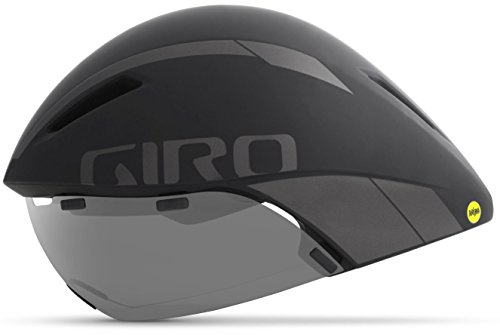
The Giro Aerohead MIPS Bike Helmet presents a straightforward, streamlined option for riders seeking a compact, aero-conscious design. Its shell is built from a polycarbonate material, and Giro emphasizes a precise fit through its Super Fit engineering, which aims to provide consistent comfort and stability across a range of head shapes. While the feature list highlights durability and fit, it does not specify MIPS in the provided notes, so buyers should rely on the classification included in the product name when evaluating rotational-impact safety features. The Aerohead is a clean, high-quality choice for riders prioritizing silhouette and fit in a performance helmet.
Ventilation is designed to complement the aerodynamic profile without creating excessive drag, making it suitable for fast road sections and time-trial segments. Maintenance considerations include keeping the inner padding fresh with regular washing and checking the shell integrity after training sessions. For triathletes who want a lighter, less bulky option that still communicates speed and reliability, the Giro Aerohead MIPS line offers a practical balance of form and function.
Buying Guide: Key Purchase Considerations And Comparisons
When selecting a triathlon helmet, you’ll balance aerodynamics, safety features, weight, and comfort. The five helmets above illustrate a spectrum from visor-equipped, race-oriented designs to more versatile, everyday performance helmets. The following considerations help clarify how to choose the right model for your racing needs and training environment.
- Aerodynamics vs Ventilation
- Safety Systems
- Visor Compatibility and Eyewear
- Sizing And Fit System
- Weight And Comfort
- Regulatory Compliance
- Maintenance And Care
- Budget And Value
Triathlon and time trials reward streamlined shapes that cut drag, especially on flat sections and sustained efforts. However, good ventilation remains essential to prevent overheating. Models like the SLS3 with an integrated visor emphasize aerodynamics, while others emphasize breathability through multiple vents and strategic padding.
Modern helmets often incorporate MIPS or rotational-impact protection designs (e.g., WG11). If rotational impact safety is a priority, look for MIPS-equipped models (SMITH Signal) or rotational-protection claims (KASK Utopia Y’s WG11 compatibility). Some helmets emphasize structural safety through robust shells and optimized energy absorption (e.g., Giro Agilis and Aerohead). Consider which safety features align with your risk tolerance and riding style.
Visors can be a race-day asset, enabling eye protection and streamlined sightlines. The SLS3 model includes a visor that is magnetically attached and can be flipped with one hand. If you wear sunglasses or prescription eyewear, ensure the helmet design accommodates eyewear well, either via integrated visors or eyewear-friendly vent and padding configurations (as highlighted by SMITH’s AirEvac system).
Accurate sizing reduces movement and distributes impact forces more evenly. Some helmets use one-size-fits-most designs with adjustable straps, while others offer precise systems like Giro’s Roc Loc 5 for a tailored fit. Always measure head circumference and consult the manufacturer’s sizing chart. If you are between sizes, choose the smaller size with a comfortable fit rather than a loose feel that could compromise safety.
Lighter helmets reduce fatigue over long rides, but ultra-light options may compromise protection or ventilation. Comfort also depends on padding, interior materials, and the ease of cleaning. Removable, washable padding is a practical feature for long training blocks or multi-day events.
Helmets should meet recognized safety standards (U.S. CPSC, CE EN 1078, AS/NZS 2063, etc.). Compliance ensures a baseline level of protection and performance. When evaluating options, confirm these certifications to ensure reliability across competitive environments.
Regular inspection of the shell, padding, and retention system extends helmet life and ensures consistent performance. Clean interior padding as recommended by the manufacturer and replace the helmet if you notice cracking, deformation, or compromised straps. A well-maintained helmet remains a key factor in safe, confident performance on race day.
Price often reflects a combination of aerodynamics, safety tech, and comfort features. If budget is a constraint, prioritize essential items such as a secure fit, reliable ventilation, and trusted safety standards. For serious triathletes, investing in a helmet with integrated visors, or advanced safety features, can offer meaningful advantages in performance and confidence during competition.
In summary, the best helmet for you depends on your priorities: maximum aero performance with visor (SLS3), superior protective systems and eyewear integration (Smith Signal), a balanced aero-ventilated design with precise fit (Giro Agilis), true aero-control and visibility (KASK Utopia Y), or a clean, compact shell with reliable fit (Giro Aerohead). Use the Buying Guide considerations to map your priorities to a model that aligns with your race goals, climate, and training load. Always test fit and comfort before committing to a long event.