Wind noise can overwhelm riders at highway speeds, masking crucial cues from traffic, radios, and GPS directions. Reducing wind intrusion often means helmet-friendly blockers, wind curtains, or high-fidelity earplugs that fit beneath or alongside your helmet. This guide highlights five top picks designed to improve comfort, communication, and safety by lowering wind noise across a range of helmets and riding conditions.
Use the quick-reference table below to compare each option at a glance, then dive into deeper details for how each product works, who it suits, and what to consider when choosing between them.
| Product | Brand | Type | Notable Feature |
|---|---|---|---|
| Cat-Ears Wind Noise Reducer for Helmets | Cat-Ears | Helmet wind noise reducer | Aeroacoustic material reduces turbulent wind flow |
| Wind-Blox Focus Helmet Pads | Wind-Blox | Helmet wind blocker / ear warmer | Fits on most helmets with near-ear strap styles |
| MOTO4U Skirt Helmet Wind Noise Silencer | MOTO4U | Wind curtain for helmets | Tightly wraps chin and neck area to reduce wind gaps |
| PRO Tour Windjammer | Prolineonline | Neck warmer / wind blocker | Zip-front for easy on/off; suited for long-distance touring |
| Alpine MotoSafe Pro Ear Plugs | Alpine Hearing Protection | Motorcycle ear plugs | Two attenuation levels with AlpineAcousticFilter |
Cat-Ears Wind Noise Reducer for Helmets

The Cat-Ears Classic Cycling Wind Noise Reducer is a long-standing option designed to lessen wind intrusion around the ears. It’s described as road and trail tested, using aeroacoustic material to decrease and disperse turbulent wind flow. The design targets the ear area without interfering with helmet fit or safety systems, making it a practical retrofit for many helmet styles.
- Original product widely used for wind reduction in different riding environments.
- Aeroacoustic material helps minimize turbulence around the ears.
- Compatibility with a broad range of helmet models and shapes.
Wind-Blox Focus Helmet Pads

Wind-Blox Focus provides a retrofit solution rather than a standalone helmet. It fits on most adult helmets and acts as an ear warmer and wind blocker by attaching to helmet straps near the ears. This option is particularly helpful for riders who want to preserve auditory awareness while enjoying reduced wind intrusion, especially in cooler weather.
- Retrofit solution that works with many helmet strap configurations.
- On-ear warmth helps reduce cold-related discomfort during rides.
- Simple installation that supports frequent helmet changes without major modifications.
MOTO4U Skirt Helmet Wind Noise Silencer
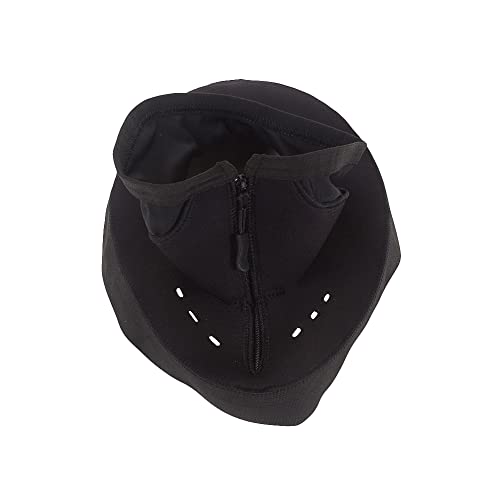
The MOTO4U Skirt Helmet Wind Noise Silencer is a wind curtain designed to seal gaps around the chin and neck area. Its design aims to reduce wind resistance and noise by creating a tighter seal between the helmet and the rider. The product emphasizes a straightforward setup where the collar aligns with the lower edge of the wrap-around shell and can be fixed with Velcro, snaps, or elastic cords. When not in use, it folds away compactly.
- WINDPROOF design tightly wraps around the chin, neck, and helmet gap.
- Easily installed with common fasteners (Velcro, snaps, elastic).
- Designed for broad helmet compatibility, including full-face, 3/4, and half helmets.
PRO Tour Windjammer
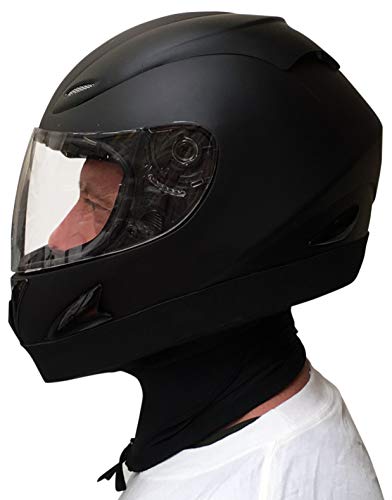
The PRO Tour Windjammer is marketed as a wind blocker and neck warmer suitable for long-distance riding and cold climates. Its removable design and zip-front convenience make it easy to don or shed as conditions change. The product targets riders who log extended time on the road and need reliable wind mitigation without sacrificing helmet compatibility or ease of use.
- Wind blocker and neck warmer ideal for long-distance and cold weather riding.
- Zip-front design enables quick on/off without removing the helmet.
- Designed to work with a wide range of helmet types for versatile use.
Alpine MotoSafe Pro Ear Plugs
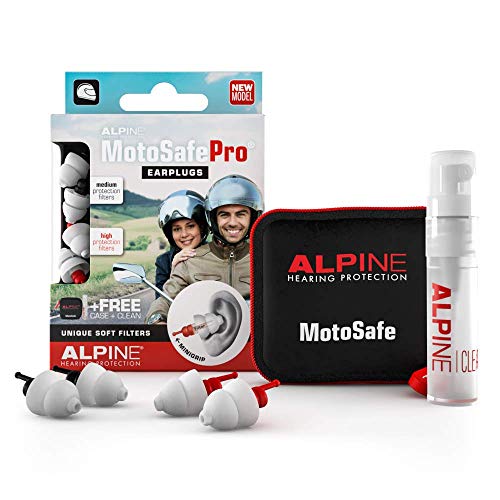
Alpine MotoSafe Pro Ear Plugs are premium ear protection designed for motorcycle riders seeking consistent wind noise reduction without sacrificing awareness of their surroundings. They offer two attenuation levels through a specialized AlpineAcousticFilter so engines, communications, and navigation remain audible. The ultra-soft material adapts to the ear canal for comfort on longer rides, and a mini-grip helps with removal during breaks.
- Two attenuation levels to adapt to different riding scenarios.
- AlpineAcousticFilter preserves essential sounds like engine cues and GPS instructions.
- Ultra-soft, comfortable fit under a helmet; reusable with simple maintenance.
Buying Guide
Choosing the right wind-noise solution depends on how you ride, your helmet type, and your comfort preferences. The following considerations help balance performance, comfort, and practicality across different riders and environments.
- Riding context and wind sources: If most wind comes from the sides at highway speed, helmet-integrated blockers or wind curtains may be most effective. If wind is primarily a result of your open face or low noise insulation, ear plugs can offer substantial relief without muting important ambient cues.
- Unit compatibility and helmet fit: Retrofit blockers like Wind-Blox or skirt-style wind curtains require compatible helmet shapes and strap configurations. Full-face versus open-face helmets may affect how well a given product seals and stays in place, so verify fit with your specific model.
- Attenuation vs. awareness: Ear plugs provide high attenuation but may affect awareness and communication. Select models with filters or multiple attenuation levels if you rely on navigation voices or group riding cues.
- Climate and riding duration: Cold-weather riders may benefit from wind-blocking accessories that also provide neck and ear warmth. In warmer climates, lighter, breathable blockers or low-profile ear plugs can maintain comfort without overheating.
- Installation, maintenance, and lifespan: Straps, Velcro, and seals wear over time. Look for products that are easy to clean, reuse, and replace. Regularly inspect for wear that might compromise wind-blocking performance.
- Durability and safety considerations: Ensure that any blocker or curtain does not interfere with helmet safety features, face shields, or ventilation. Avoid loose parts that could detach at high speeds.
- Smoke test and real-world testing: When possible, test different options on shorter rides to compare comfort, speech intelligibility, and perceived wind noise, then decide which solution best aligns with your priorities.
- Budget and value: A combination approach—one helmet blocker plus a set of high-quality ear plugs—often yields the best balance of performance and comfort across varied riding scenarios.
By considering helmet compatibility, climate needs, and how much ambient awareness you require, you can tailor wind-noise protection to your riding style. The five products above cover retrofit blockers, wind curtains, and high-fidelity ear protection to help you decide which approach fits your helmet and road conditions best.