Choosing the right hockey skate insoles can reduce blisters, support arches, and improve edge control on the ice. This guide focuses on five widely used insoles that work across most skates and skill levels, balancing lightweight cushioning with structured arch support. You’ll find options from trusted brands that emphasize breathability, stabilizing heel cups, and minimal interference with blade contact. The quick-reference table below helps compare key specs at a glance before reading deeper into the in-depth reviews.
| Product | Brand | Key Benefit | Standout Feature |
|---|---|---|---|
| Superfeet Hockey Cushion Insoles | Superfeet | Arch support and comfort | Perforated forefoot for breathability |
| CURREX HockeyPro Insoles | currex | Dynamic arch support and stability | 3D Dynamic Arch Technology |
| Elite Hockey Pro Insoles | Elite Hockey | Lightweight comfort and stride stability | Moisture management via air holes |
| Proguard Replacement Skate Insoles | Pro Guard | Lightweight, tailored fit | Contoured design for even weight distribution |
| Sure-Grip Contour Insole | Sure-Grip | Thick padding and moisture-wicking | Moisture-wicking and extra cushioning |
Superfeet Cushion Insoles

Superfeet Hockey Cushion Insoles use an established contoured shape to stabilize the foot inside a skate. The arch support works to minimize friction, blisters, and hot spots, helping players maintain smoother stride transitions across the ice. The foam cushion provides a professional-grade feel that supports long shifts without excessive bulk. Designed for skate sizes around 7-8, these insoles pair well with most adult skates and can improve overall edge control by keeping the heel secure during aggressive turns.
One notable feature is the flexible heel cradle, which helps keep the heel centered even during rapid acceleration and quick stops. Perforated forefoot enhances air circulation, contributing to breathability during extended sessions. This combination of cushioning and ventilation can reduce fatigue and keep feet comfortable through power plays and late-period sprints. Given the foam construction, these insoles strike a balance between soft landings and stable footing on the blade.
CURREX HockeyPro Insoles

Currex HockeyPro Insoles emphasize 3D Dynamic Arch Technology and a low-to-high arch range, designed to optimize stability and power transfer from foot to blade. The insoles are engineered for precise foot-to-skate contact, with a low, medium, and high arch profile offering customizable support for players of all ages and skill levels. A NE0 Touch SuperGrip heel surface helps prevent slipping, contributing to quicker starts, tighter turns, and stronger strides on the ice. The ultra-thin construction keeps blade contact unimpeded and improves overall control.
The design prioritizes full contact between foot and skate, with a focus on maximizing stability without adding bulk. Venting and moisture management are integrated through the insole’s architecture, helping to keep feet cooler during intense shifts. Players who value quick edge control and rapid directional changes may notice improved responsiveness when using these insoles, particularly those who require a precise, low-profile setup.
Elite Hockey Pro Insoles

The Elite Hockey Pro Insole is engineered to distribute maximum comfort in every stride, marketed as one of the lightest insoles for skates. The channels within the design help balance weight and stabilize the skate during turning and straight-ahead movement. Air holes are included to manage moisture by directing hot air out while pulling in cool air, supporting a comfortable environment inside the boot during long periods of skating. This combination aims to keep foot fatigue at bay while preserving blade feel.
With a focus on keeping the foot aligned and reducing interference inside the boot, these insoles prioritize a low-profile fit that doesn’t sacrifice support. Players who crave a lightweight feel paired with reliable arch support may find this option well-suited for intense practices and quick-game play. The breathable design can contribute to a cooler, less sweaty foot experience in mid-season sessions.
Proguard Replacement Skate Insoles

ProGuard Replacement Skate Insoles are described as the lightest and most comfortable option available, with an ultra-light, non-restricting design. The contoured shape distributes weight evenly for easier movement and provides a stable, snug fit that supports high-energy skating. The materials emphasize durability, so the insoles hold up to regular on-ice use and the wear-and-tear of aggressive play. This model is labeled as X-Large, covering sizes 10.5–13, which makes it a practical choice for larger skates or players with bigger feet.
Designed to maximize comfort without adding bulk, these insoles aim to deliver reliable energy transfer from foot to skate. The combination of lightweight construction and contoured support helps skaters maintain leverage during intricate maneuvers and explosive strides. For players seeking a straightforward replacement that minimizes weight while preserving fit, Proguard offers a solid, durable option.
Sure-Grip Contour Insole
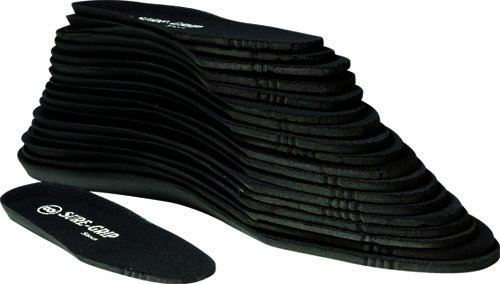
Sure-Grip Contour Insoles offer thicker padding designed to extend skating sessions by delivering enhanced comfort. Suitable for extended use, the insoles provide shock absorption and stability, helping to reduce foot fatigue during practice and performance. A moisture-wicking feature helps keep feet dry, which is especially beneficial for longer on-ice durations or higher-intensity drills. The contouring molds to the foot shape to promote a more stable fit and better overall boot feel in a hockey skate environment.
The design emphasizes reliability and durability, making them a practical option for skaters who want extra cushioning without sacrificing control. The thicker padding supports the midfoot and heel areas, contributing to a more comfortable experience during aggressive skating. This model is a good pick for players who crave additional support in a mid-to-high-volume skate setup and value moisture control for all-season use.
Buying Guide
Choosing the right insole involves balancing comfort, stability, and blade contact. Here are key purchase considerations to help you compare options objectively and tailor choices to your skating style and gear.
- Arch support and foot shape: If you have high arches or flat feet, seek insoles with dynamic arch technology or multiple arch profiles. A proper fit minimizes fatigue and improves edge control during tight turns.
- Material and weight: Foam and textile cushions are common for comfort and shock absorption, while carbon-fiber or dynamic arch insoles offer lightweight stability and power transfer. Consider how much bulk you’re willing to add inside the skate.
- Ventilation and moisture management: Perforations, venting channels, and moisture-wicking materials help keep feet dry during long sessions, preventing sweat-related slipping and discomfort.
- Fit and compatibility: Ensure the insole size matches your skate size and that the insole doesn’t interfere with blade contact or boot lacing. Some brands provide specific skate-size recommendations or universal fits.
- Durability and replacement cycles: Higher-end insoles often last longer under repetitive ice contact, but price can vary. If you skate frequently, durability and warranty may justify a premium.
- Footwear type and level of play: Beginners may prioritize comfort and arch support, while advanced players might focus on stability, energy transfer, and edge control during quick transitions and hard stops.
- Testing and adaptation: After installing new insoles, spend a few practice sessions assessing fit, toe-off response, and overall comfort. If any hotspots appear, consider trimming or replacing with a different arch profile.
- Brand considerations: Reputable brands often offer standardized sizes and tested arch support options, which can simplify comparisons and ensure consistent performance across different skates.
In practice, many players benefit from trying two options with distinct focuses—one offering lightweight, high-arch support and another delivering more cushioning and moisture control. For most skaters, starting with a proven arch-support model and then evaluating breathability and fit during practice helps identify the best long-term choice. Remember to assess long-term comfort, how the insoles affect blade feel, and whether your skating performance improves with reduced fatigue and enhanced stability.