Choosing the right mountain bike tire depends on terrain, riding style, and wheel compatibility. This guide highlights five well-rounded options that cover common sizes from 26 to 29 inches and a fat-tire setup. Each tire offers a balance of puncture resistance, grip, and durability for trails, dirt, and loose surfaces. The table below summarizes key details to help compare size, type, and standout features at a glance.
| Product | Brand | Size | Type | Notable Feature |
|---|---|---|---|---|
| Hycline 26×1.95 MTB Tire Set | Hycline | 26×1.95 (54-559 mm) | Folding, Puncture-Resistant (Set) | Includes 2 tires, 2 tubes, 2 tire levers; 30–80 PSI; 30 TPI |
| Hapleby 26×1.95 Folding Tires | Hapleby | 26×1.95 (50-559 mm) | Folding, Puncture-Resistant | 60 TPI; includes 2 tire levers; 40–65 PSI |
| Mongoose Argus ST Fat Tire 26 Inch | Mongoose | 26 Inch | Fat Tire | 4″ knobby fat tires; steel hardtail frame; 7-speed |
| WTB Velociraptor Front Tire 26×2.1 | WTB | 26×2.1 | Front Tire | Aggressive tread; front-specific knobs; mud-shedding, DNA compound |
| Continental Cross King ShieldWall 29×2.2 | Continental | 29×2.2 | Folding, Tubeless Ready | High puncture protection; versatile and easy-rolling |
Hycline 26×1.95 MTB Tire Set

Hycline’s 26×1.95 tires are designed for durability and puncture resistance. The kit includes two tires, two tubes, and two tire levers, making it a convenient replacement option for routine maintenance or a first-time tire upgrade. Built with high-quality rubber materials and nylon cord technology, these tires offer reliable wear resistance for varied riding environments. The 54-559 mm size fits many 26″ mountain bikes and supports a PSI range of 30 to 80, enabling riders to tune grip and rolling resistance to local trails. The folding design helps with installation and tubeless conversions when desired.
- Includes two tires, two tubes, and two tire levers
- Size: 26×1.95 (54-559 mm); fits 1.95″–2.125″ widths
- Puncture resistance and wear resistance with nylon cord
- PSI range: 30–80; TPI: 30
Hapleby 26×1.95 MTB Tire

Hapleby’s folding tires emphasize durability across mixed-terrain riding. The 50-559 mm bead seat size suits many 26-inch bikes, while the 60 TPI construction provides a balance of suppleness and toughness to handle gravel, dirt, and paved sections. The set ships with two tire levers, supporting quick on-trail changes. A recommended pressure range of 40 to 65 PSI helps optimize traction on loose or dusty surfaces and maintains predictable handling on smoother sections. The tread design aims to minimize road noise while preserving adequate grip for off-road sections.
- Size: 26×1.95 (50-559 mm)
- 60 TPI construction for durability
- Includes 2 tire levers
- Pressure range: 40–65 PSI
- Estimated wear performance suitable for daily mixed-terrain use
Mongoose Argus ST Fat Tire 26 Inch
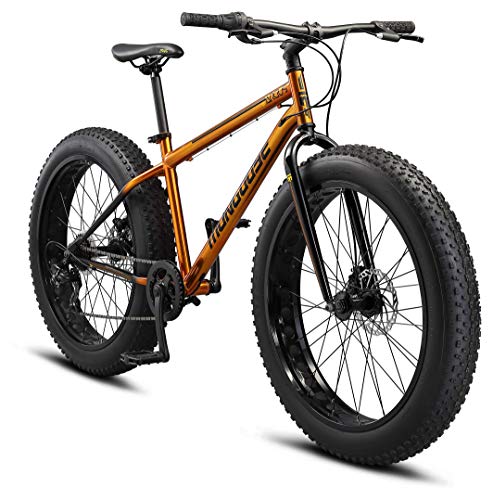
The Mongoose Argus ST Fat Tire model introduces riders to a versatile fat-tire setup on a 26-inch platform. The 4-inch-wide knobby tires provide substantial flotation and traction on loose soil, sand, and soft trails. A sturdy 17-inch steel hardtail frame supports a reliable ride on rugged terrain, while a 7-speed drivetrain offers a wide range for climbing and cruising. The rigid fork keeps the bike light and responsive on aggressive lines. Drilled aluminum rims reduce weight without sacrificing strength, and mechanical disc brakes ensure solid stopping power in varied conditions. The overall package targets riders seeking confidence on mixed trails.
- 26-inch wheels with 4″ fat tires
- 17″ steel hardtail frame
- 7-speed drivetrain
- Mechanical disc brakes
- Drilled aluminum rims for weight savings
WTB Velociraptor Front Tire 26×2.1
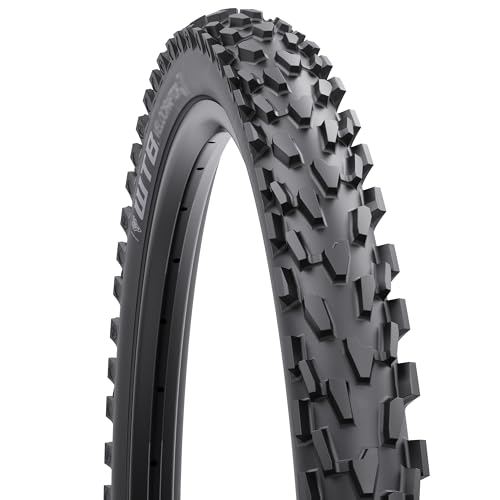
The WTB Velociraptor Front Tire focuses on front-end performance with a front-specific tread design. Points geometry knobs are engineered to slice through trails while counteracting cornering forces. The tire uses widely spaced knobs to shed mud efficiently, maintaining grip in mixed conditions. The aggressive tread profile helps with traction on technical climbs and challenging sections, and the DNA compound is designed to balance grip and durability. This front tire is a strong choice for riders prioritizing precise steering and predictable cornering on uneven terrain.
- Front-specific tread with pointed knobs
- Widely spaced knobs for mud-shedding
- Aggressive grip on varied terrains
- DNA compound for balanced performance
Continental Cross King ShieldWall 29×2.2

The Continental Cross King ShieldWall tire delivers a versatile, easy-rolling profile that adapts to a wide range of surfaces, from smooth dirt roads to technical singletrack. The tire focuses on puncture protection with a robust three-layer casing and Tubeless Ready capabilities, making it a practical option for riders who want less downtime due to flats. The 29×2.2 sizing provides ample volume for smoother roll, enhanced stability on rocky sections, and a comfortable ride on longer climbs. This tire aims to balance reliability with capable off-road performance across seasons.
- Versatile, easy-rolling profile
- High puncture protection with three-layer casing
- Tubeless Ready compatibility
- 2.2-inch width for stability and grip
Buying Guide
When choosing the best mountain bike tire, several factors determine performance and compatibility. Tire width ideally matches wheel size and riding style, but it also affects weight, rolling resistance, and grip. Narrow tires roll faster on smooth sections but offer less flotation in loose dirt, while wider and fat tires provide traction and stability at the cost of some efficiency on pavement.
Terrain and use case drive tread choice. Aggressive, widely spaced knobs excel in loose soil, sand, mud, and rocky trails, while smoother, tightly spaced patterns favor fast transitions on groomed dirt and pavement. Front tires typically emphasize steering control and cornering grip, whereas rear tires prioritize acceleration and consistency of traction. For riders who encounter a mix of surfaces, a team of tires with varied tread profiles can deliver balanced performance.
Puncture protection and tubeless readiness are important for minimizing flats on rough terrain. Some tires include Kevlar or reinforced casings and tubeless-ready designs, enabling use with sealant and lower air pressure for improved traction. Armor-focused tires often weigh more, so riders should weigh the trade-off between protection and weight based on riding goals and terrain.
Durability and mileage depend on construction, tread depth, and tire compound. Tires with higher TPI (threads per inch) typically offer better suppleness and grip, while 30 TPI tires may be tougher and more affordable. If you ride frequently on mixed surfaces, consider a combination of tires—one with strong puncture protection and a more aggressive tread, and another with a lighter, fast-rolling profile for road segments.
Pressure ranges are crucial for performance. Following manufacturer recommendations helps optimize grip, handling, and wear. For 26-inch tires, common ranges span roughly 30–80 PSI depending on tire construction and rider weight. For 29-inch tires, higher volumes accommodate lower pressures, expanding traction on soft surfaces while maintaining stability on rough terrain. Always reinflate to the recommended range after installation or when changing riding conditions to preserve performance and safety.
Finally, compatibility matters. Check rim width, bead type, and tubeless readiness before buying. Some tires work best with tubeless setups, while others pair with inner tubes. Ensure the tire’s size matches your wheel’s bead seat diameter and width range. If you ride a mix of terrains or upgrade wheels, confirm the tire’s compatibility with your rims and tubes to maximize performance and reliability on every trail.