Choosing the right MTB bike computer can elevate every ride, whether you’re chasing personal bests on rugged singletrack or logging data for training and safety. The following five picks are among the strongest options for American riders, combining accurate GPS, reliable navigation, and MTB-friendly features. Each product link points to Amazon for quick comparison and purchase. The lineup covers different budgets and use cases—from entry-level speedometers to feature-rich navigators with map support and advanced metrics.
Summary of selected products:
| Product | Brand | Key Features |
|---|---|---|
| iGPSPORT BSC300T Wireless Bike Computer | iGPSPORT | 2.4″ touchscreen with 6 buttons; MTB/EBike modes; 5-satellite GPS (GPS+Beidou+GLONASS+GALILEO+QZSS) |
| Garmin Edge 530 | Garmin | Mapping; power meter compatibility; dynamic metrics; safety features and radar/lights integration |
| XOSS G+ GPS Bike Computer | XOSS | Mile/km switch; TrainingPeaks sync; ANT+ sensors; Bluetooth data sharing |
| Garmin Edge 840 | Garmin | Touchscreen and buttons; adaptive coaching; advanced navigation; long battery life |
| CATEYE Velo Wired Bike Computer | CATEYE | Current/max/average speed; distance; calories; auto-stop on red lights |
iGPSPORT BSC300T Wireless MTB Computer
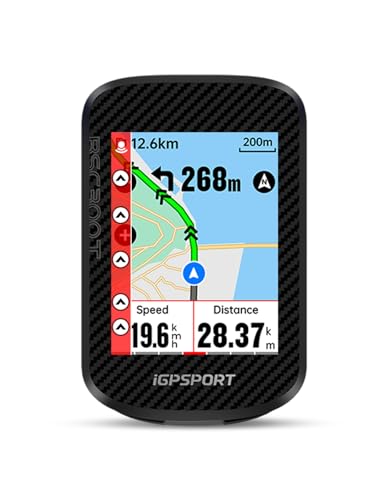
The iGPSPORT BSC300T is designed for rugged MTB use with a 2.4-inch touch screen and a 6-button layout for easy control. It supports multiple riding modes, including road bikes, mountain bikes, and Ebikes, and can display power level and other data during rides. Its GPS system draws from five satellite networks—GPS, Beidou, GLONASS, GALILEO, and QZSS—aiming for fast positioning and accurate ride data across diverse terrains. The device’s combination of a touchscreen and physical buttons provides flexible operation in dusty or muddy conditions. Riders seeking offline navigation and reliable data capture on trail rides may find this model well suited to mountain biking and mixed terrain adventures.
Key references from listed features include: Large Screen with a 2.4″ touchscreen and 6 buttons; Multiple Modes supporting MTB, road, and Ebike, with power level display; and Global GPS Coverage across five satellite networks for faster positioning and better data accuracy.
Garmin Edge 530 GPS Bike Computer

The Garmin Edge 530 is a performance-focused cycling computer with built-in mapping and robust training tools. It supports power meter data from compatible sensors, and handles control via touch. Its dynamic performance monitoring provides insights into VO2 max, recovery, training balance, and nutrition, once paired with compatible sensors. Safety features like a bike alarm, group messaging, and tracking enhance rider awareness, and compatibility with Variant rearview radar and lights helps you be seen on busy or low-visibility routes when paired with a phone. This model fits riders who want precise data and advanced analytics for MTB and mixed-surface rides.
From the listed features: Performance GPS cycling computer with mapping; Power meter compatible; Control Method: Touch; and Dynamic performance monitoring with safety features and radar compatibility.
XOSS G+ GPS Bike Computer

The XOSS G+ is a multifunction GPS bike computer that emphasizes app-based customization and training data sharing. It supports switching between miles and kilometers via the XOSS APP, which also enables data export to TrainingPeaks for training analysis. The device can sync cadence and heart rate data to the XOSS app, and connect with ANT+ sensors to capture power, speed, and other ride metrics. While additional sensors may be required for full capability, the G+ is designed for riders who want versatile data collection and integration with popular training platforms.
Key features drawn from the listing include: Note about mile/km system; Sync To TrainingPeaks; ANT+ Sensor Compatibility; and Bluetooth data sharing for cadence and heart rate.
Garmin Edge 840 GPS Bike Computer
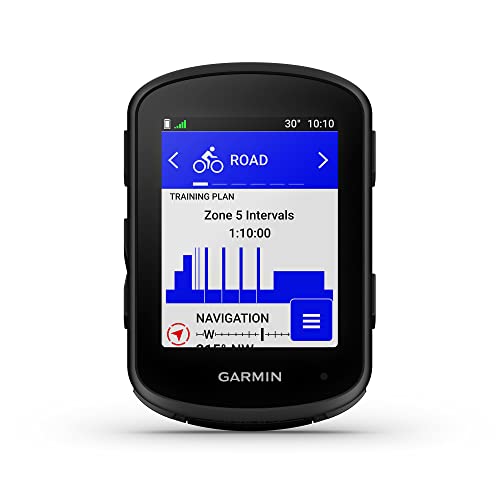
The Garmin Edge 840 combines advanced navigation with touchscreen and button controls, delivering a high-end experience for sophisticated riders. It emphasizes targeted adaptive coaching and personalized workout prompts when paired with compatible power meters and heart rate monitors, helping cyclists optimize training. The device also provides extensive navigation capabilities, enabling turn-by-turn guidance on routes and off-road paths. Battery life supports longer rides, and the system integrates with Garmin’s ecosystem for seamless data management and performance tracking on MTB adventures.
From the features listed: Advanced GPS cycling computer with touchscreen and buttons; Targeted Adaptive Coaching; Advanced Navigation; and Battery life up to long durations with coaching when using compatible sensors.
CATEYE Velo Wired Bike Computer

The Velo wired computer from Cateye is an entry-level option that focuses on essential ride data. It displays current, max, and average speeds, total distance, trip distance, elapsed time, pace arrow, and a clock. It also tracks calories and carbon offset, which may appeal to riders tracking health and sustainability. The Velo 9 is designed to be straightforward to set up and use, making it a practical choice for riders who want reliable data without advanced features.
Key features per the listing include: Current, max, and average speed; Calories and carbon offset tracking; and Auto-stop tracking when you’re stopped, ensuring ride time reflects actual movement.
Buying Guide
When selecting an MTB bike computer, consider how you ride, where you ride, and what data you need to improve performance or safety. Below are practical factors to weigh, along with how the featured models stack up against common needs.
- Navigation and mapping: If you ride remote trails or long all-mountain routes, built-in mapping and turn-by-turn navigation are valuable. Garmin Edge 530 and Edge 840 provide mapping and robust routing, while iGPSPORT offers strong GPS coverage but lighter navigation features. For simple speed and distance, cateye Velo provides essential data without the complexity.
- Sensor compatibility: For advanced training, ensure the device supports power meters, heart rate, and cadence sensors via ANT+ or Bluetooth. Garmin Edge devices typically offer broad sensor compatibility; XOSS G+ emphasizes TrainingPeaks integration and ANT+ sensor support. If you’re not using a power meter, simpler units may be sufficient.
- Mounting and durability: MTB riders require rugged mounts and weather resistance. Look for devices with glove-friendly screens, water resistance, and secure mounts. Some models excel in harsh conditions, while others prioritize slim design and ease of use.
- Display and usability: A larger, readable screen helps on rough descents. Touchscreen plus physical buttons provide flexible control; however, treat touchscreen performance under mud and rain as a practical consideration. Edge 530/840 blend touch and buttons, while iGPSPORT emphasizes a large touchscreen in a compact unit.
- Battery life: Extended rides demand longer battery life. The Edge 840 often delivers long endurance under demanding use; other models vary, so align battery expectations with typical ride duration and screen activity.
- Software ecosystem and data sharing: Training analysis is valuable for consistent improvement. TrainingPeaks compatibility (as seen with XOSS G+) and Garmin’s ecosystem enable deeper analytics, route planning, and data export. Budget models may offer fewer integration options.
- Budget vs. features: Entry-level units are affordable and simple but may omit advanced navigation and coaching. Higher-end models provide adaptive coaching, sophisticated mapping, and safer features, which justify cost for frequent riders or competitive athletes.
- Real-world use cases: Casual riders may prioritize simplicity and essential metrics, while MTB enthusiasts may want advanced navigation, trail routing, and rugged build. Consider your typical terrain, planned routes, and the role of safety features when choosing a device.
In short, for trail-heavy MTB use, prioritize models with reliable GPS, durable construction, and clear navigation options. For training-driven riding, focus on power meter compatibility, dynamic metrics, and robust data syncing. If you simply need a dependable speedometer with basic ride data, an entry-level option like the Cateye Velo can suffice, while Garmin Edge models meet a higher bar for navigation, safety, and analytics.