Choosing the right putter can influence a golfer’s score as much as any swing change. The best options balance feel, alignment, and forgiveness, helping you stroke a confident, straight putt on every green. This guide highlights five highly regarded models that suit diverse games, from beginners seeking steadier contact to seasoned players chasing precision on fast surfaces. Each pick combines thoughtful design with practical performance, so you can compare options without changing your routine.
Whether you prefer a blade or a mallet, a heavier weight for momentum, or a compact head for precise alignment, the following selections cover common preferences.
| Product | Brand | Key Feature |
|---|---|---|
| Orlimar Tangent T1 Putter | Orlimar | High MOI design; Plumber’s neck offset; Soft TPU face insert |
| GoSports GS1 Tour Putter | GoSports | Milled face; 34″ shaft; 1.3″ fat grip |
| TaylorMade TP Black Palisades Putter | TaylorMade | Milled face; Flowing lines; Palisades weight balance |
| Wilson Harmonized X5 Putter | WILSON | Large mallet head; 33″ length; Right-handed |
| Performance Golf SQ Putter | Performance Golf | Square-to-Square technology; Alignment guide; Straight-back-through path |
Orlimar Tangent T1 Putter
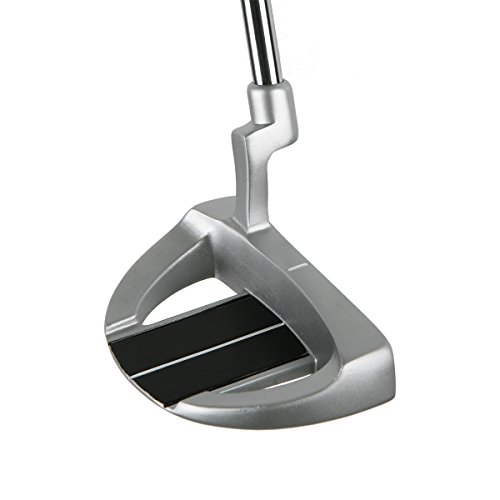
Orlimar’s Tangent T1 Putter emphasizes forgiveness and feel, making it a solid choice for players who want reliable contact without sacrificing control. The high MOI design reduces twisting on off-center hits, translating into a more consistent roll across varying distances. A plumber’s neck offset hosel nudges the hands ahead of the face, promoting a stable stroke and a square impact. The soft TPU face insert enhances feedback at impact, delivering clearer feel on short taps and longer lag putts alike. This combination is particularly suitable for players seeking balance and touch on multiple greens.
- High MOI design for forgiveness
- Plumber’s neck offset hosel keeps hands ahead
- Soft TPU face insert for better feedback
Ideal for players who value a steady visual and tactile cue at address, enabling a repeatable stroke even on fast or variable surfaces.
GoSports GS1 Tour Putter

GoSports GS1 Tour Putter is built to deliver pro-like feel at a practical price. The stainless steel head with a milled face supports solid contact and a smooth roll. A 34-inch shaft paired with a 1.3-inch fat grip promotes stable alignment and reduces wrist movement during the stroke. Its blade profile pairs classic aesthetics with modern performance, helping golfers visualize the line and execute confident, repeatable strokes on all greens. The combination makes it a versatile option for a wide range of golfers who want a traditional look with reliable performance.
- Milled face for consistent contact
- Stainless steel head
- 34″ shaft with 1.3″ fat grip
This putter blends a traditional blade silhouette with modern grip and feel enhancements to support steady strokes on different green speeds.
TaylorMade TP Black Palisades Putter

TaylorMade’s TP Black Palisades Putter combines precision machining with a refined aesthetic, designed to appeal to players who demand both feel and alignment. The blade design features flowing lines and a milled face, delivering a solid contact and predictable feedback at impact. Palisades-style weight distribution is built to balance the stroke, offering stability through the square-to-face transition. At 35 inches, this model provides a longer sightline that many players prefer for enhanced alignment. The result is a confident, smooth stroke with minimal deviation on off-center hits.
- Milled face with precise contact
- Flowing lines and machine milling
- Balanced Palisades weighting
Well-suited for players who appreciate a premium feel and a strong alignment cue at address, especially on multi-putt greens.
Wilson Harmonized X5 Putter

Wilson Harmonized X5 Putter is designed as a budget-friendly mallet option aimed at improving distance control and alignment. The large mallet head provides a generous visual footprint, helping players gauge line and speed more easily. The model is sized for right-handed players with a 33-inch length that suits a broad range of golfers seeking a compact setup without sacrificing stability. Its straightforward build emphasizes durability and a classic Wilson finish, making it accessible for beginners while still offering dependable performance for intermediate players.
- Right hand, 33″ length
- Large mallet head for visual alignment
- Durable construction with classic finish
For players who want a simple, reliable mallet with a familiar feel, this is a strong option that emphasizes consistency over flashy features.
Performance Golf SQ Putter

Performance Golf SQ Putter centers on square-to-square technology to reduce twisting and maintain a straight path. The design addresses common putting faults by keeping the face square to the target line throughout the stroke, which can boost confidence on every putt. The SQ-5 Mallet variant emphasizes a larger alignment profile while preserving a stable, responsive feel. A built-in alignment guide helps players square the face at impact, supporting consistent puts and a smoother routine across different greens and speeds.
- Square-to-Square technology
- Alignment guide for easy setup
- Straight-back-straight-through stroke path
Ideal for golfers focused on eliminating face twist and seeking a dependable, repeatable stroke across a range of speeds and layouts.
Buying Guide
Blade Versus Mallet Putters
Blade putters are typically favored for precise alignment and a compact feel, making them a good fit for players who rely on finesse and line control. Mallet putters, with larger heads and higher moment of inertia, offer more forgiveness on off-center hits and are often preferred by players who struggle with consistency. Your choice should align with your stroke tempo, alignment preferences, and how you visually line up at address.
Head Design And Alignment
Look for alignment aids that suit your eye and routine. Some heads feature bright lines, sight dots, or contrast colors to cue square faces. Mallets generally provide larger alignment cues, while blades offer a cleaner, simpler address. The right design improves confidence in line and speed, reducing hesitation before a putt.
Weight, Length, And Balance
Weight and balance affect stroke stability. A heavier putter tends to resist twisting and supports a smoother tempo, especially on long putts. Standard lengths range from 33 to 35 inches; longer lengths can help taller players or those who prefer a more extended sightline. Test different weights and lengths to find a feel that matches your stroke tempo and grip size.
Face Insert Versus Milling
Face inserts (soft materials) can enhance feel and feedback, which is helpful for short putts. Milling provides a cleaner, more consistent surface for contact, often preferred by players seeking a pure feel and predictable roll. Consider how you interpret feedback on impact when deciding between insert and milled faces.
Grip Size And Feel
Grip diameter and texture influence wrist action and overall stability. A larger grip can reduce hand rotation and promote a straighter stroke, while a smaller grip offers greater sensitivity for players with a lighter touch. Choose a grip that complements your hand size and preferred grip pressure.
Adjustability And Longevity
Some putters offer adjustable lengths or weights. While not essential for every player, adjustable models can adapt to changing preferences or fit different greens or putting styles. Consider durability and how easy it is to maintain a consistent feel over time, especially if you practice frequently on varied surfaces.
Practicalities And Personal Fit
Finally, consider your typical greens (fast or slow), typical break patterns, and your practice routine. The best putter for you should integrate into your practice and on-course routine without forcing adjustments to your grip, stance, or tempo. If possible, test several models to observe how each influences speed control, rhythm, and confidence on the greens.