People with bunions often struggle to find ski boots that offer enough forefoot room without sacrificing control. The right boot should provide a wide last, a soft instep, and reliable adjustability to minimize pressure on bunions while still delivering performance on the slopes. The following five boots balance width, ease of entry, and supportive design to help skiers with bunions enjoy longer days on the mountain. Each choice prioritizes comfort without compromising stability or power transfer on varied terrain.
| Product | Brand | Last Width (mm) | Fit Type | Why It Helps Bunions |
|---|---|---|---|---|
| Nordica The Cruise Comfort Fit Boots | Nordica | 104 | Comfort/Relaxed | Wide 104 mm last and easy-entry design reduce bunion pressure while maintaining control on groomed and powder. |
| Rossignol Kelia 50 Women’s Boots | Rossignol | 104 | Relaxed Fit | Wider forefoot with soft instep for smoother entry and reduced bunion compression. |
| K2 BFC 75 Women’s Ski Boots | K2 | 103 | Women’s Wide | Wide enough for bunions and balanced flex for comfort and support on easy to intermediate runs. |
| Nordica Sportmachine 3 80 Ski Boots | Nordica | 102 | Wide Fit | 102 mm last with cork liner warmth; softer flex enhances comfort around bunions without losing stability. |
| Dalbello Veloce 65 W Ski Boots | Dalbello | Unknown | Women’s Comfort | Designed for easy entry and all-day comfort, with emphasis on a forgiving fit for bunions. |
Nordica The Cruise Comfort Fit Boots

The Cruise by Nordica is built for comfort with a 104 mm last, a roomy forefoot that accommodates bunions without sacrificing performance. Its dual soft-flap instep opens the boot throat widely, making it easier to get in and out, which reduces irritation around bunions during transitions in and out of the boots. The micro-adjustable aluminum shell and cuff buckles allow precise tightening where needed, enabling a secure fit that minimizes foot movement inside the boot. This balance of width and adjustability is especially helpful for skiers who value control on varied terrain while avoiding forefoot pressure.
Inside, the boot’s liner and shell are engineered to spread pressure away from sensitive areas. The cork-infused warmth liner keeps feet comfortable on colder days, contributing to longer wear without fatigue. The Cruise is compatible with a range of insoles or custom footbeds, allowing further tailoring to bunion relief. While designed for all-mountain use, its forgiving fit can help skiers with bunions concentrate on turning precision rather than compensating for discomfort. The result is a boot that supports confident carving with less risk of bunion-related pain after long sessions on the mountain.
In terms of daily wear, the boot’s ease of adjustment reduces the need to compromise between a secure fit and comfort. The combination of easy entry, ample width, and reliable support makes Nordica The Cruise a strong candidate for skiers who require more forefoot space without giving up responsiveness. For those who regularly wear heavier socks or need extra padding around pressure points, this boot’s architecture makes post-slope relief more accessible and practical.
Rossignol Kelia 50 Women’s Ski Boots

Rossignol Kelia 50 for Women is designed with a relaxed fit and a 104 mm last, prioritizing comfort and entry ease. The softer plastic around the instep facilitates smoother boot opening and closing, which minimizes friction near pressure points often associated with bunions. This model emphasizes warmth and a forgiving shell geometry that helps reduce fatigue after hours on the slopes. While not the lightest option, the Kelia 50 delivers steadier energy transfer and confidence for riders who prefer a roomy forefoot with a straightforward step-in experience.
The boot’s entry and exit are noticeably gentler due to its wider overlap and adjustable buckle configuration, though it remains supportive enough for recreational skiing. The combination of a wide last with a softer instep suits bunion-prone feet by diminishing forefoot compression during flexion and edging. Skiers who value stability over aggressive performance may find Kelia 50 a reliable baseline boot that minimizes pain without softening control excessively.
For those seeking all-day comfort on long resort days, Kelia 50’s warmth and accommodating fit help maintain a comfortable environment inside the boot. Pairing with a tailored footbed can further relieve pressure along the bunion area. This model is a practical pick for skiers who want a dependable, easy-on/easy-off experience with a focus on comfort rather than aggressive performance demands.
K2 BFC 75 Women’s Ski Boots
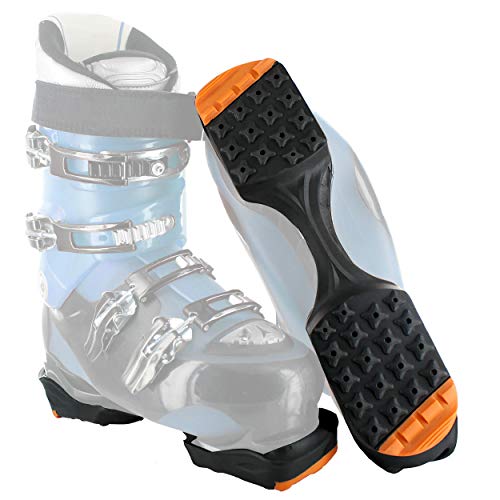
The K2 BFC 75 offers a 103 mm last that suits many women with bunion concerns, combining a balanced width with a reliable mid-range flex. While the listing emphasizes general specs like flex, last width, and weight, the fit tends to feel roomy enough for relatively broad forefeet. The boot’s shape supports easy entry and exit, which reduces repetitive pressure points when donning and doffing between runs. For those who need a straightforward fit without aggressive volume, the BFC 75 provides a comfortable baseline with solid control on groomers and light powder days.
Although not specifically marketed as a wide-fit or bunion-focused boot, the BFC 75’s 103 mm last is a practical middle ground for skiers who want a boot that can accommodate mild bunion discomfort without a heavy sacrifice in power transfer. The boot’s design encourages stable turns and predictable edge grip, making it a sensible option for skiers transitioning from beginner to intermediate terrain while managing forefoot pressure.
In practice, pairing the BFC 75 with a custom insole and appropriate socks can further reduce bunion-related soreness. The boot’s overall construction remains reliable for those who want a forgiving yet capable on-mountain experience, striking a balance between comfort and performance on longer ski days.
Nordica Sportmachine 3 80 Ski Boots
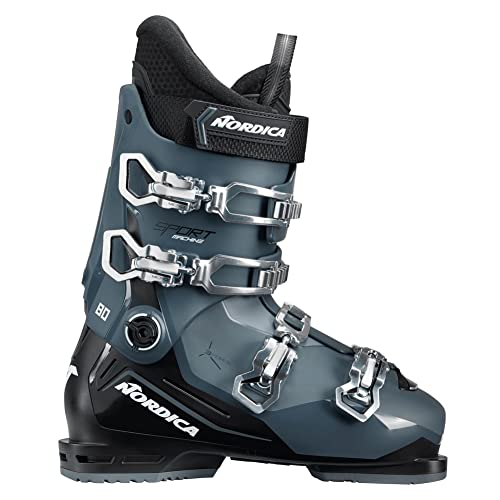
The Nordica Sportmachine 3 80 is built with efficiency and comfort in mind, featuring a wider 102 mm last that supports higher-volume feet and a softer flex. The 3D cork liner is designed to improve warmth and secure heel-to-toe contact, delivering consistent support for bunion-prone feet. The liner’s natural cork material helps manage moisture and adds a layer of insulation, which can be especially appreciated on chilly mountain days. The boot pairings with a sturdy shell and walk-friendly features help reduce pressure zones around bunions while preserving responsiveness on varied terrain.
For skiers who value a combination of warmth, comfort, and performance, Sportmachine 3 80 presents a compelling option. The slightly wider footprint promotes even pressure distribution, aiding in foot alignment during carving and edging. The boot’s take on fit emphasizes accommodation for foot shape variations without surrendering control. It’s well-suited for intermediate to advanced skiers who want a dependable boot that can be tuned with insoles, footbeds, or boot heaters for ongoing bunion relief on multi-day trips.
As with any wide-fit boot, individual fit depends on foot shape and arch height. Prospective buyers should consider trying multiple sizes and possibly consulting a boot fitter to optimize shell volume, liner thickness, and insole alignment to maximize bunion comfort while preserving skiing performance.
Dalbello Veloce 65 W Ski Boots

Dalbello’s Veloce 65 W focuses on a user-friendly, comfortable fit for women’s feet, with an emphasis on easy entry and overall comfort. While the listing highlights a comfortable fit, the exact last width isn’t stated, so this boot is positioned as a forgiving option that can suit bunion-prone feet through gradual pressure management and a softer shell shape. The Veloce line typically offers intuitive buckling systems and a design that reduces pinch points, which is advantageous for skiers seeking pain-free transitions and reliable response on varied pistes.
With a focus on comfort and accessibility, the Veloce 65 W is a sensible pick for recreational skiers who want a boot that minimizes forefoot pressure while still delivering a predictable turn feel. If bunion relief is a priority, pairing this boot with a high-quality insole and proper heat-madded socks can further improve fit and comfort. As always, individual fit can vary, so a professional boot fitting is recommended to maximize bunion relief and on-slope control.
Buying Guide: Choosing Ski Boots When You Have Bunions
When selecting ski boots for bunions, prioritize fit, width, and ease of movement without compromising on ski control. The following considerations help compare options and tailor choices to your feet and skiing style.
- Last width and shape: Look for boots advertised with wide or relaxed fits (around 102–104 mm or more). A comfortable forefoot with extra space reduces bunion pressure and allows for thicker socks or orthotics.
- Instep relief and entry system: Boots with softer instep plastic and wider throat openings ease on/off and minimize irritation as you flex and rotate on turns.
- Buckles and closures: Micro-adjustable buckles help dial in pressure precisely without squeezing bunions. Consider walk modes or slits that permit expansion for easier standing and stepping.
- Liner warmth and cushioning: A well-insulated liner and heel-to-toe support reduce cold sensitivity that can aggravate bunion pain and improve overall comfort during long days.
- Flex and support: Moderate to soft flex balances comfort and control, especially for beginners or intermediate skiers dealing with forefoot pain. Higher flex boots can work for experienced skiers if fit is right but may aggravate bunions if too stiff around the forefoot.
- Custom footbeds and insoles: After-market insoles, arch supports, or orthotics can substantially improve pressure distribution and align the foot within the boot.
- Professional boot fitting: A qualified boot fitter can adjust shell volume, grind pressure points, and heat-mold liners to better accommodate bunions and optimize performance.
For skiers with bunions, a trial period in-store with different models is invaluable. If a boot feels comfortable while standing still, walk a bit, and then simulate carving movements, you’ll better gauge long-term comfort. Don’t hesitate to consider boot stiffer than expected if you can achieve an even fit with proper adjustments. Tailored solutions, including insoles and, when necessary, custom shells, often deliver the best balance between bunion relief and skiing performance.
In summary, the best ski boots for bunions emphasize width, ease of entry, supportive linings, and adjustable closures. The five models above represent varied approaches to comfort and control: Nordic and Rossignol options focus on wide forefoot space, while K2, Nordica, and Dalbello offer versatile fits with practical features for bunion relief. A qualified boot fitting remains the most reliable path to optimizing comfort and performance on the slopes.