Freediving demands gear that reduces drag, preserves breath control, and stays comfortable under pressure. The best snorkels for freediving combine lightweight construction, low air volume, and mouthpieces designed to minimize jaw fatigue. Whether you’re spearfishing, practicing breath-hold drills, or extending your underwater time, a well-chosen snorkel helps you focus on technique rather than equipment. Below are five top choices that balance performance and reliability, with notes on design features that affect breathing ease, freezing conditions, and water clearing. A quick product table follows to help narrow your selection.
| Product | Brand | Key Feature |
|---|---|---|
| Corsica Hunter Freediving Snorkel | CRESSI | Lightweight with large breathing tube |
| Aegend Dry Snorkel | Aegend | Top dry valve and curved tube |
| Mares Dual Snorkel | Mares | Soft PVC; hypoallergenic mouthpiece |
| Scubapro Apnea Snorkel | SCUBAPRO | Foldable J-tube; removable upper barrel |
| Seac Jet Freediving Snorkel | SEAC | Liquid silicone mouthpiece; streamlined tube |
Corsica Hunter Freediving Snorkel

The Corsica is the ideal snorkel for freediving, spearfishing, and scuba diving. It is very light and comfortable, helping minimize jaw fatigue during long sessions. Its large-diameter upper tube facilitates unobstructed breathing, which can be advantageous when returning to the surface between deep dives. The soft, bendable tube design helps maintain a natural head position and reduces drag as you move through the water. Overall, the Corsica emphasizes simplicity and a low profile without sacrificing breathing ease or reliability in mixed underwater environments.
Aegend Dry Snorkel
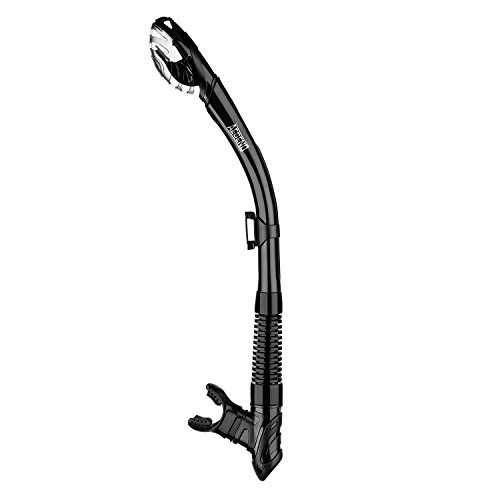
The Aegend Dry Snorkel prioritizes effortless breathing and hassle-free use. It features an easily attachable clip for a secure, tangle-free fit on standard dive masks, with adjustable positioning to reduce drag. The premium food-grade silicone mouthpiece is soft, forming a comfortable seal for extended sessions. A longer, curved tube provides unobstructed airflow while maintaining a close fit to the head, enhancing maneuverability for snorkeling, skin diving, scuba diving, and swimming. The top dry valve helps keep water out when waves or splashes occur.
Mares Dual Snorkel

The Mares Dual Snorkel emphasizes a flexible, durable design suitable for underwater use. Made from soft PVC, it offers good bendability while maintaining shape integrity in varied water conditions. The hypoallergenic silicone mouthpiece is comfortable for longer sessions and reduces irritation. The tube geometry is designed for natural airflow and easy clearing, helping divers stay relaxed during repeated breath cycles. It’s a practical option for freediving, spearfishing, and recreational underwater exploration where reliability matters.
Scubapro Apnea Snorkel

The Scubapro Apnea Snorkel offers a foldable J-tube design that folds and stores neatly in an accessory pocket when not in use. The traditional J-tube remains a favorite for freedivers who value a compact, travel-friendly setup. The upper barrel can be removed for those preferring a shorter pipe, and the tube is crafted from soft, non-toxic silicone that promotes a comfortable, secure fit. This snorkel suits divers who prioritize portability without compromising core airflow efficiency.
Seac Jet Freediving Snorkel

The Seac Jet Freediving Snorkel focuses on streamlined performance and reliability. It features a molded, contoured tube designed to minimize drag and maximize hydrodynamic efficiency. The mouthpiece uses liquid silicone for a comfortable, secure seal during extended sessions. Built with durable PVC tubing, the Jet is designed to withstand demanding freediving conditions while remaining lightweight for travel and daily use in varied water temperatures and conditions.
Buying Guide
Type And Intended Use
Freediving snorkels come in dry-valve designs and open-top configurations. Dry-valve snorkels help keep water out during surface waves, while open-top designs tend to be lighter and simpler. For deep or dynamic dives, a dry valve can reduce the likelihood of water entering during choppy conditions, but it may add a bit of weight. Consider your typical diving style, local water conditions, and how often you travel with gear when choosing between these designs.
Low Volume For Efficient Breathing
Low-volume snorkels minimize the air you carry, which can reduce buoyancy and improve breathing efficiency during breath-hold practices. A shorter, curved tube often follows the natural contour of the head, reducing drag and making it easier to tuck the snorkel into the mask strap. If you primarily freedive, prioritize a design that keeps air out of your breathing loop and reduces the effort required to clear water after a dive.
Mouthpiece Comfort And Material
Hypoallergenic silicone mouthpieces are widely preferred for extended sessions because they resist irritation and fatigue. Look for a mouthpiece with a soft, pliable feel and a shape that minimizes jaw strain. Some designs offer replaceable mouthpieces, which expands the snorkel’s lifespan and allows you to customize fit for different mouth shapes or for posting seasons of use.
Tube Design And Hydrodynamics
Tube geometry influences drag, airflow, and water clearing. A larger-diameter upper tube can feel easier to breathe through, but it may add bulk. A curved tube that hugs the head tends to reduce drag and improve mobility. A foldable or roll-up upper section is convenient for travel but ensure it locks securely during use to prevent unwanted folding under water.
Durability And Maintenance
Freediving snorkels encounter salt, sand, and frequent handling. Materials such as silicone and quality PVC provide durability, while soft plastics maintain flexibility. Regular maintenance—rinsing after use, avoiding exposure to extreme heat, and inspecting mouthpieces for wear—extends life. If a snorkel uses a replaceable mouthpiece, factor in replacement availability and cost when evaluating long-term value.
Fit With Masks And Comfort
A snorkel should integrate smoothly with your mask. Check clip systems or attachment points to ensure secure positioning without snagging hair or causing discomfort. The snorkel’s position should allow for quick equalization and a comfortable lift to breathe at the surface after a dive. If you use a dry-valve model, confirm that the valve mechanism remains accessible for maintenance and cleaning.
Travel Considerations
Travel-friendly snorkels are often foldable or roll-up, reducing luggage space. Lightweight designs and compact storage shells are beneficial for divers who fly frequently. Consider the balance between compactness and ease of use; a slightly bulkier model with a simple mouthpiece may offer better breathing comfort and reliability in rough seas.
Quick Model Comparisons
Across the five tested models, you’ll find trade-offs between dry-valve features, mouthpiece materials, and tube geometry. If you value travel-friendly storage, the Scubapro Apnea’s foldable jet-tube system may appeal. For dry-water protection and comfort, the Aegend Dry Snorkel pairs a top dry valve with a soft silicone mouthpiece. For a general purpose freediving snorkel with robust materials, the Mares Dual Snorkel offers flexibility and hypoallergenic comfort. The Corsica emphasizes light weight and breathing ease, while the Seac Jet provides streamlined hydrodynamics for efficient movement.
| Feature | Corsica | Aegend Dry | Mares Dual | Scubapro Apnea | Seac Jet |
|---|---|---|---|---|---|
| Dry Valve | No | Yes | No | No | No |
| Low Volume | Moderate | High | Moderate | Moderate | Moderate |
| Mouthpiece Material | Standard Silicone | Soft Silicone | Hypoallergenic Silicone | Silicone | Liquid Silicone |
| Foldability | No | No | No | Yes | No |
| Travel Suitability | Good | Excellent | Good | Excellent | Good |