Choosing the right swim stroke aids for triathlon training means balancing technique, strength, and endurance. The correct paddles, trainers, and educational resources can help triathletes refine stroke mechanics, stabilize the shoulder, and gain confidence in both pool and open-water conditions. This guide highlights five highly regarded products that support technique development, speed, and efficiency in the water. Use these tools to complement a structured plan that blends drills, interval work, and brick sessions. Below is a concise summary of the selections, followed by detailed product sections and a practical buying guide.
| Product | Brand | Key Benefit |
|---|---|---|
| TYR Catalyst Stroke Paddles | TYR | Natural palm-aligned paddles for strength, endurance, and technique |
| FINIS Agility Floating Paddles | FINIS | Instant stroke feedback with strapless design |
| Swim Speed Secrets for Swimmers and Triathletes | VeloPress | Drills and coaching guidance to improve speed and feel |
| Your First Triathlon: Race-Ready in 5 Hours a Week, 2nd Edition | VeloPress | Time-efficient training plans for new triathletes |
| FINIS Forearm Fulcrum Swim Trainer | FINIS | Promotes proper EVF catch and stroke efficiency |
TYR Catalyst Stroke Paddles
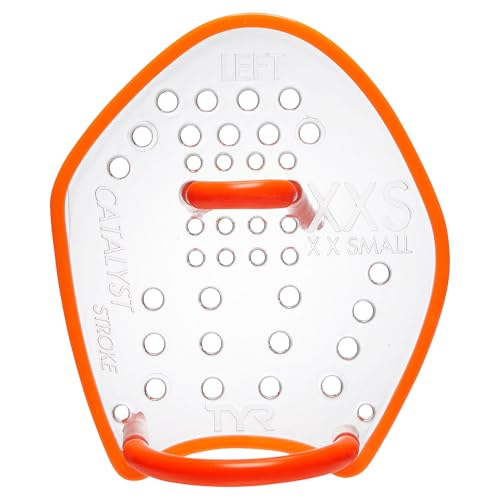
These paddles are designed to align with the natural shape of the hand, helping swimmers develop a strong catch and an efficient pull. The see-through material allows coaches and swimmers to observe hand position and entry during each stroke, enabling immediate feedback on technique. Built from durable K-Resin with silicone tubing, the paddles feature adjustable grid lacing to tailor fit and training style. They are suitable for swimmers at various levels who want to emphasize technique while building strength and endurance.
- Natural palm-aligned form for a fluid catch
- See-through design for clear hand positioning feedback
- Durable construction with adjustable fit options
For triathletes, incorporating these paddles into controlled drills can help reinforce a clean entry and an efficient underwater pull, which translates to improved stroke rate and distance-per-stroke. Begin with short sets to establish technique, then gradually increase volume as form stabilizes. Always monitor shoulder load and scale usage based on training phase and recovery.
FINIS Agility Floating Paddles

These paddles feature a strapless design and floating construction that encourage a positive pressure stroke while allowing for easy adjustments. They provide instant stroke feedback as the paddle shifts or detaches if the technique is off, helping swimmers self-correct in real time. Suitable for all levels, including triathletes, the Agility paddles pair well with technique-focused drills and strength-building sets.
- Strapless design supports comfort and natural feedback
- Positive pressure encourages a solid catch
- Instant feedback helps refine stroke mechanics during workouts
When using strapless paddles, keep volume conservative and prioritize technique over speed. Start with short intervals, then progress to longer sets as control improves. This approach minimizes shoulder stress while still delivering technique cues that transfer to freestyle efficiency in triathlon swim segments.
Swim Speed Secrets for Swimmers and Triathletes

This book provides a practical, coaching-informed pathway to faster swimming for both swimmers and triathletes. It emphasizes the high-elbow underwater pull as a cornerstone of speed, supported by drills designed to cultivate a sensitive feel for the water. The author shares drills, dryland routines, and strength-building exercises to support the underwater catch and stroke rhythm, helping athletes move beyond survival swimming to confident, efficient racing.
- Explains the high-elbow underwater pull as a key speed factor
- Drills and dryland routines to build feel for the water
- Coaching insight from a seasoned practitioner with practical tips
For triathletes, the guidance translates into clearer technical cues during training cycles, enabling smoother transitions between strokes and better energy management across sets. The book serves as a structured reference for lengthy swim training blocks and race-specific preparation days.
Your First Triathlon: Race-Ready in 5 Hours a Week, 2nd Edition

This updated guide offers a practical, time-efficient plan aimed at first-time triathletes. The emphasis is on building competence across swimming, cycling, and running in a condensed weekly schedule, with emphasis on technique and scalable progress. The listing notes it is the second edition, reflecting updated training insights and planning tips for beginners seeking to Race-Ready status within a limited weekly commitment.
- Second Edition
- Time-efficient approach for beginners
- Structured plan across three disciplines
In practice, triathletes can use the book to lay out a realistic progression—focusing on technique drills for the swim, while balancing brick sessions and run workouts. It supports a measured ramp into race-day readiness, reducing the risk of overtraining and burnout while building confidence in the water and on course.
FINIS Forearm Fulcrum Swim Trainer

The Forearm Fulcrums are designed to promote proper hand, wrist, and forearm positioning to develop muscle memory and refine stroke mechanics. This trainer helps swimmers achieve an early vertical forearm (EVF) catch and maintain an uninterrupted pull, compatible with all four strokes. By focusing on form in the early phase of the stroke, athletes can translate improved technique into faster, more efficient freestyle swimming, which is essential in triathlon swim segments.
- Promotes proper hand, wrist, and forearm position
- Increases stroke efficiency with a controlled pull
- Supports EVF catch across multiple strokes
When integrating this trainer into a training block, use it for focused drills and shorter intervals to reinforce the EVF position. Pair with technique-centric sets and gradually reintroduce resistance as form stabilizes, ensuring that the gains translate into clean, efficient movement without compromising shoulder health.
Buying Guide
Choosing the right swim stroke aids for triathlon training depends on your current technique, goals, and training emphasis. Here are key purchase considerations and practical recommendations to help you select tools that align with your plan:
- Training goal alignment: Paddles primarily support power development and technique awareness, trainers refine catch and feel, and educational books translate coaching concepts into structured plans. Identify whether you want to improve mechanics, increase strength, or learn race-ready routines.
- Product type and integration: Use paddles for focused sets that emphasize catch and rhythm, trainers for form-focused drills, and books for long-term technique and programming guidance. Combine tools with a balanced training plan that includes drills, speed sets, and endurance work.
- Fit, comfort, and safety: Choose paddles with adjustable fit to minimize shoulder strain. Strapless paddles require careful progression to avoid overuse. Pay attention to material quality and edge finish to reduce chafing and hotspots during longer workouts.
- Durability and maintenance: Materials like K-Resin and silicone tend to be durable for frequent pool use. Rinse products after sessions and allow to dry fully to prevent damage and odor buildup.
- Open-water readiness: Paddles can alter balance and stroke feel; they are typically best used in controlled pool sessions before applying technique in open water. Start with short, technique-focused intervals and avoid prolonged usage in rough conditions.
- Training plan compatibility: Ensure the selected tools fit within your weekly volume and phase (base, build, taper). Technique work should be integrated with intervals, tempo sets, and race-specific brick sessions to maximize transfer to triathlon performance.
- Budget and value: Weigh the cost of paddles, trainers, and books against potential gains in efficiency and speed. A targeted combination—paddles for technique, a trainer for EVF emphasis, and a book for structured programming—often yields the best return.
In practice, triathletes should approach these tools as components of a broader, periodized training plan. Start with a technique-first phase using paddles and EVF-focused drills, then layer in endurance work and race-specific pacing. Regular reassessment with video feedback or coach input helps ensure the tools continue to serve your performance goals across training cycles and race days.