Choosing the right tennis string matters for beginners. The proper string can improve control, reduce fatigue, and help new players develop fundamentals with consistent feel. This guide highlights five beginner-friendly string options, spanning multifilament, co-polyester, and hybrid builds. Each entry includes a concise overview and its key benefits to help you decide which string aligns with your playing style, comfort level, and training goals. Use this overview to compare performance, durability, and feel as you start building your baseline skills on the court.
| Product | Brand | Type | Gauge | Notable Benefit |
|---|---|---|---|---|
| Solinco Hyper-G String Set | Solinco | Co-polyester | 16G (1.30mm) | Massive spin and crisp feel |
| Head Velocity MLT Multifilament String | HEAD | Multifilament | 17G (1.25mm) | Vibrant energy transfer and comfort |
| Babolat RPM 17G + VS 16G Hybrid | Babolat | Hybrid (Co-poly + Multifilament) | RPM 17G / VS 16G | Power, control, and feel from two top strings |
| TRU PRO Ghost Wire 18G | TRU PRO | Co-polyester | 18G (1.17mm) | Soft, arm-friendly with strong durability |
| Wilson Sensation Plus 16 | WILSON | Multifilament | 16G (1.30mm) | Comfortable feel with durable nylon core |
Solinco Hyper-G String Set 16G

Solinco Hyper-G is a square-shaped co-polyester string designed to maximize spin potential while delivering a crisp, controlled feel. Its 16G gauge provides a balance between durability and bite, making it a favorable choice for beginners who want more precision on serves and groundstrokes without sacrificing longevity. The string is engineered to maintain stability under tension, supporting consistent ball flight during initial development of shot mechanics. Players who favor aggressive baseline playlines may appreciate the extra bite and predictable response that Hyper-G offers, especially on higher-torrowed swings.
Key advantages include strong spin generation on slice and topspin shots, good ball bite on moderate speeds, and a robust construction that resists early fraying. The string’s stiffness translates to quicker feedback, which can help new players learn control quickly. For beginners transitioning to more advanced play, this string can support heavier topspin while preserving accuracy on contact. Beginners should note that spin-focused co-polys typically feel firmer than multifilaments, so initial comfort may vary depending on swing style and racket setup.
Head Velocity MLT Multifilament 17G
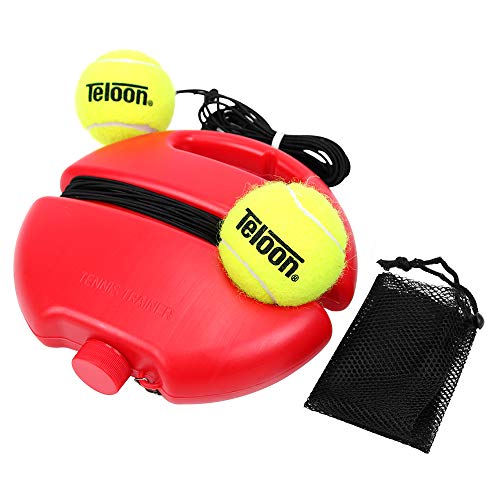
Head Velocity MLT is a premium multifilament string designed to deliver a lively, cushioned feel with strong energy transfer. Its 17G gauge strikes a balance between playability and durability, giving beginners a forgiving string that helps maintain consistent control across rallies. The multifilament composition mimics the feel of natural gut, offering comfortable response on long practice sessions and helping players develop proper racquet head speed without excessive string vibration. This type of string is particularly appealing to players seeking an easier on-court experience during early stage learning.
The Velocity MLT’s core structure emphasizes a soft, plush response that reduces the risk of arm fatigue, making it a practical choice for newcomers building stroke technique. Its composition supports a broad range of playing styles, from controlled placements to more aggressive topspin. For beginners, the string’s tolerance to off-center hits and versatile feel can help improve confidence and consistency at the baseline and net.
Babolat RPM 17G + VS Touch 16G

This hybrid setup combines the RPM 17G co-polyester with VS Touch 16G multifilament to blend control, spin, and feel. The RPM side provides grip and bite for aggressive strokes, while the VS side delivers plush comfort and a natural string bed response. Beginnings players can benefit from improved legibility on ball contact and enhanced precision when targeting corners. Hybrids like this can help reduce shock while maintaining power, helping new players transition to more advanced shots without overtaxing the arm.
Expected advantages include reliable spin production, solid durability for longer practice sessions, and a balance between control and feel. The combination is suited to players who want more bite on flat serves and deep groundstrokes, yet still want comfortable string movement on contact. For those stepping up from an all-poly or synthetic setup, this hybrid can offer a smoother progression toward advanced racquet control and shot variety.
TRU PRO Ghost Wire 18G

TRU PRO Ghost Wire focuses on soft, arm-friendly performance with durable construction. The 18G gauge leans toward comfort and easy playing feel, making it a practical option for beginners concerned about string stiffness and vibration. Ghost Wire emphasizes tension stability and durability, helping maintain consistent play across sessions. Its round, smooth surface supports predictable ball response and facilitates hybrid string setups. This string is well-suited for players who want a forgiving feel on long rallies and a forgiving response off-center hits.
The product is designed to support players across skill levels, including beginners who are gradually increasing swing speed and power. Its softness can contribute to reduced string-induced fatigue, while its durability supports frequent practice without frequent restringing. For learners focused on technique development, Ghost Wire offers reliable tonal and tactile feedback without overwhelming the arm as form improves.
Wilson Sensation Plus 16 String Set

Wilson Sensation Plus 16 offers a classic multifilament design with a focus on comfort and playability. Its highly elastic nylon core – complemented by outer ribbons for durability – delivers a forgiving feel that reduces shock on impact. This string is widely regarded as a reliable choice for beginners seeking a smooth touch on both topspin and flat shots, with a broad sweet spot response. The construction emphasizes resilience, making it suitable for players who train consistently and value a comfortable racquet feel during long practice sessions.
Key benefits include excellent feel on contact, good rebound characteristics, and improved comfort on longer rallies. Beginners who prioritize a natural, arm-friendly experience may find Sensation Plus particularly appealing as they work on stroke mechanics and pace control. Its durability also supports incremental progression in string tension tolerance as players refine technique and generate more power over time.
Buying Guide
Choosing the right string involves balancing feel, durability, price, and comfort. Here are practical considerations to help you compare options and pick a setup that aligns with your playing goals as a beginner.
- String type: Multifilament strings resemble natural gut and prioritize comfort and feel, ideal for beginners seeking touch and rebound. Co-polyester strings offer more spin and control but can feel stiffer; they suit players who generate aggressive swing paths and want durability. Hybrids combine properties from different strings to balance power, control, and comfort.
- Gauge and tension: Thicker gauges (16G) are more durable and offer more control, while thinner gauges (17G–18G) provide more spin and feel but wear faster. Beginners should start at a mid-range tension with a stable racket and gradually adjust as technique improves.
- Playing style and goals: If you prioritize spin and power for serves and heavy groundstrokes, consider a co-poly or hybrid that enhances bite. If comfort and consistency are your focus, multifilament strings or hybrids with softer components can reduce fatigue during longer sessions.
- Arm health and comfort: Players sensitive to racquet vibration may benefit from softer multifilament or nylon-core strings. Arm-friendly options reduce the risk of tennis elbow and help sustain longer practice bouts while learning.
- Durability and cost: Higher-durability strings may reduce restringing frequency but can feel stiffer. Beginners should weigh upfront costs against the long-term value of fewer restringing sessions and the benefit of consistent feel as form develops.
- Maintenance and setup: Hybrids often require more planning to select compatible components. Beginners may prefer ready-to-use sets that come pre-matched for ease of use, with straightforward installation guidance.
- Progression path: As technique and pace evolve, you may shift to strings that emphasize additional spin, control, or comfort. Consider library-like options that allow a smooth transition rather than a full string-change overhaul.
In short, beginners tend to benefit from strings that balance comfort and ease of play with enough control to build technique without excessive fatigue. Multifilaments are typically the most forgiving, while hybrids offer a path to more advanced performance without a steep learning curve. When choosing, prioritize how the string feels on your arm, how it handles contact with the ball, and how often you plan to restring. Your on-court progress will be shaped by consistency more than raw power, so select a setup that encourages steady practice and confidence at the baseline.