Backpacking tests clothing systems under changing conditions. A reliable base layer made of Merino wool delivers moisture management, odor resistance, and temperature regulation, reducing chill after sunset and overheating during climbs. This guide highlights five top Merino base layer options suitable for men and women, spanning midweight to heavyweight preferences. Each product emphasizes softness, durability, and easy care so hikers can focus on the trail. Use the Buying Guide below to compare weights, fits, and packaging to pick the best base layer for your next backpacking adventure.
| Product | Weight | Includes | Material | Notes |
|---|---|---|---|---|
| Merino Wool Base Layer Top (Men) | Midweight 250 g/m² | Top | 100% Merino Wool | Soft, itch-free warmth with moisture management |
| Merino Wool Base Layer Set (Men) | Midweight 250 g/m² | Top + Long Johns + Socks | 100% Merino Wool | Coordinated system; great value for multi-day trips |
| Merino Wool Base Layer Top – Women | Midweight 250 g/m² | Top + Socks | 100% Merino Wool | Soft, moisture-wicking and odor-resistant |
| Merino Wool Base Layer Shirt (MERIWOOL) | Midweight 250 g/m² | Top | 100% Merino Wool | Machine-washable; breathable and quick-drying |
| Merino Wool Base Layer Bottoms (Men) | Midweight 250 g/m² | Bottoms + Socks | 100% Merino Wool | Warmth with moisture-wicking and odor resistance |

Merino Wool Base Layer Top – Men
Midweight 250 g/m² Merino Wool Base Layer Top for men uses 100% superfine merino wool (18.5 microns), delivering a soft, itch-free feel against the skin. This base layer emphasizes moisture-wicking and odor resistance, helping you stay dry during steep climbs and warm enough on cool mornings. The natural temperature regulation makes it suitable as a standalone layer in mild conditions or under additional insulation in colder weather. A versatile option for backpacking, it pairs well with midweight bottoms for a balanced, breathable system on variable treks. Brand reliability and consistent fit add to its value in the field. This makes it a dependable core layer for diverse backpacking trips.
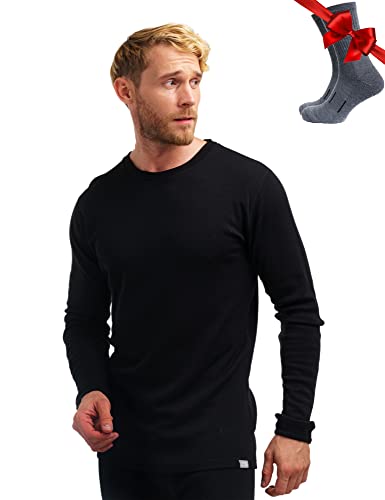
Merino Wool Base Layer Set – Men
Merino.tech’s Merino Wool Base Layer Set for men pairs a midweight top with matching long johns and includes Merino Wool Hiking Socks in many packages. Made from 100% superfine merino wool (18.5 microns), this set delivers a soft, itch-free feel across all-day wear. Its natural moisture-wicking pulls sweat away from the skin, while odor resistance helps keep the layer fresher between washes on multi-day trips. The midweight fabric balances warmth and breathability, making it a practical core layer for variable trail conditions and changing elevations. The packaging often doubles as a compact travel companion, enhancing portability and gift potential.
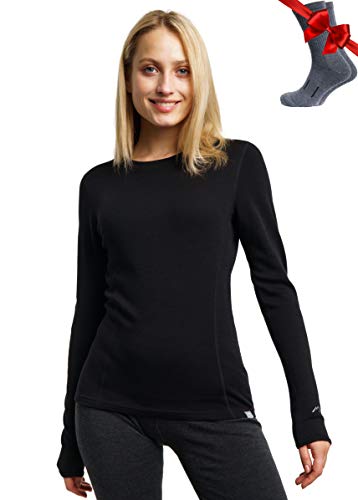
Merino Wool Base Layer Top – Women
Midweight women’s Merino Wool Base Layer Top uses 250 g/m² merino to provide warmth without bulk. Made from 100% superfine merino wool (18.5 microns), it offers an ultra-soft touch and itch-free wear for daily use or active adventures. Natural moisture-wicking helps regulate sweat during long hikes, while odor resistance keeps the layer fresher on multi-day trips. The included socks vary by package, but the top itself remains versatile for layering under lighter shells or wearing solo in cool mornings. A practical choice for year-round female backpackers seeking comfort and performance.
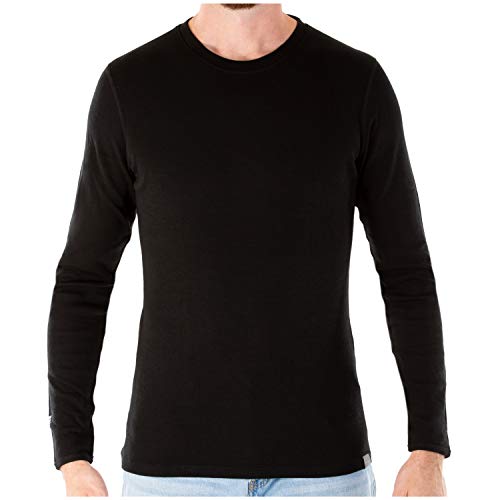
Merino Wool Base Layer Shirt – Men (MERIWOOL)
MERIWOOL’s midweight long sleeve base layer shirt uses 250 g/m² interlock-knit merino wool with 18.5-micron fibers for warmth without bulk. The 100% merino wool is itch-free and machine-washable, making care straightforward after long trips. Breathability supports comfort during warm-ups and climbs, while temperature regulation helps keep you comfortable across day-night temperature swings in camp. The snug, fitted cut reduces bulk under outer layers, and the quick-drying fabric helps you stay dry between sessions on the trail. A solid all-round base layer for varied backpacking conditions.

Merino Wool Base Layer Bottoms – Men
Merino Wool Base Layer Bottoms come in midweight 250 g/m² and are constructed with 100% merino wool. The long johns design provides reliable warmth with breathability, making them suitable for chilly mornings and cool evenings on the trail. The fibers’ moisture-wicking and odor-resistant properties help you stay dry and fresh during multi-day backpacking. Some packages include Merino Wool Hiking Socks to complete the base-layer system, enhancing comfort when temperatures drop. Quick-drying and easy to care for, these bottoms integrate well with midweight tops for versatile layering. A practical choice for cold-weather treks.
Buying Guide
- Weight class and climate: Base layers come in lightweight, midweight, and heavyweight options. Lightweight fabrics, around 165 g/m², excel in hot climates or days with high aerobic output where maximum venting matters. Midweight fabrics (roughly 230–250 g/m²) are the most versatile for shoulder seasons, variable elevations, and general backpacking needs. Heavyweight options (~320 g/m²) provide the greatest warmth for frigid nights, high-altitude camps, or winter expeditions. For most backpacking trips in temperate to cool environments, a midweight Merino base layer offers a strong balance of warmth, breathability, and moisture management, especially when used with a breathable outer layer.
- Fit and layering: A snug, skin-close fit enhances warmth and moisture transport, yet must allow full range of motion. Seek flatlock seams to minimize chafing during long approaches and descents. Women’s cuts often include tailored shoulders and longer backs for better mobility; men’s designs may prioritize chest and shoulder fit. Consider whether you want a crew neck, mock neck, or zip-neck option to regulate ventilation during climbs followed by cooler ridge descents. When layering, ensure the base layer sits smoothly beneath mid-layers without bunching under a pack.
- Material properties and care: Merino wool fibers around 18.5 microns are soft against the skin and generally itch-free. The fine fibers trap air for insulation while moving moisture away from the body, helping you stay warm and dry. Merino garments are breathable, odor resistant, and comparatively quick to dry relative to cotton, though heavyweight knits may dry more slowly. Many Merino base layers are machine-washable, but always follow care labels to preserve fiber loft. Avoid fabric softeners and high heat to sustain moisture-wicking performance and garment longevity.
- Odor control and moisture management: Merino’s natural odor resistance reduces the frequency of washings needed on extended trips. Effective moisture management helps you stay comfortable during long ascents and steep descents, reducing chill when conditions change. For very hot days or intense workouts, choose lighter weights or vented designs to prevent overheating. In damp climates, pair a Merino base layer with a moisture-wicking mid-layer and a windproof shell to maintain dryness and comfort while moving through mixed weather.
- Durability and value: Merino base layers carry a higher upfront cost but can last for many seasons with proper care, often delivering better long-term value than cotton. Assess fiber micron, knit density, seams, and overall construction when comparing options. Some bundles include a top and bottom or socks, which can enhance value by giving you a coordinated system for backcountry use. If you hike frequently, consider stocking multiple weights to cover spring through autumn and spare layers for cold snaps.
- Gender-specific and activity considerations: Women’s base layers are typically cut to fit curves with tailored shoulders and torso lengths; men’s versions emphasize broader chest and shoulder structure. For backpacking, ensure a combination of top and bottom weights that matches your typical trip climate and activity level. If you plan to run or climb in the same gear, look for unity of weight across top and bottom to prevent moisture from collecting in mismatched layers.
- Care and maintenance: Proper washing extends life and preserves wool loft. Wash Merino by following label instructions; many are machine-washable on gentle cycles with cold or warm water. Use wool-specific detergents and avoid fabric softeners. Dry flat or hang to dry away from direct heat; never tumble dry on high. Store clean in a dry, dark place to minimize odors and pilling. If pilling occurs, use a fabric shaver to maintain smooth interior surfaces that promote comfort and moisture movement.
- Layering strategies for backpacking: Treat a Merino base layer as the foundation of your system. Start with a midweight top and bottom for shoulder-season trips, adding an insulating mid-layer and then a weather shell as needed. In cold camps, choose heavyweight options or add a fleece mid-layer inside a breathable shell. For warm, high-desert days, you may wear the base layers alone or with a light shell. Color coordination and pack weight considerations matter, but prioritize fabrics that move moisture and maintain dryness throughout the day.