Golfers increasingly rely on swing monitors to measure club head speed, ball speed, launch angle, and swing tempo. This guide highlights five top picks that balance accuracy, ease of use, and training features. Whether you practice indoors or on the range, these devices integrate with apps and offer actionable insights to sharpen your game. Read on to compare performance, battery life, and data depth across the best golf swing monitors.
| Product | Brand | Key Benefit |
|---|---|---|
| Garmin Approach R10 | Garmin | Portable launch monitor with Garmin Golf app integration |
| Rapsodo MLM2PRO | Rapsodo | Pro-level metrics and home practice simulators |
| Rapsodo Mobile Launch Monitor | Rapsodo | Real-time data with video playback and GPS view |
| PRGR HS 130-A | PRGR | Affordable doppler radar with no app requirement |
| Voice Caddie SC4 PRO | Voice Caddie | 3D driving range and built-in screen with app connectivity |
Garmin Approach R10: Portable Launch Monitor
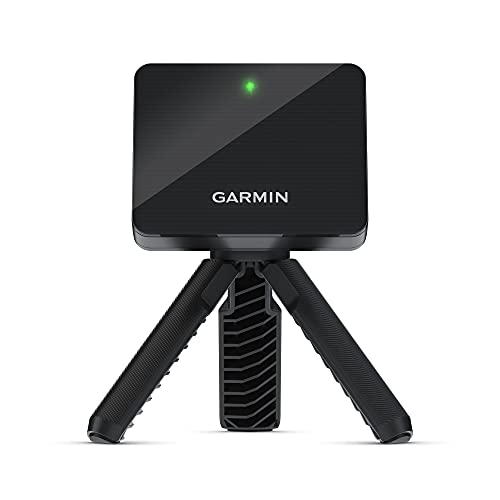
The Garmin Approach R10 is a compact, portable launch monitor designed for use at home, indoors, or on the driving range. It features IPX7 water resistance and up to 10 hours of battery life for extended practice sessions. When paired with the Garmin Golf app, it tracks essential metrics such as club head speed, ball speed, swing tempo, launch angle, and dispersion, offering a per‑club breakdown to identify strengths and improvement areas. A dedicated training mode stores statistics for each club to guide focused practice.
Rapsodo MLM2PRO Golf Launch Monitor

Rapsodo MLM2PRO delivers pro‑level golf launch metrics in a compact, smartphone‑powered package. It measures 13 core metrics, including spin rate and spin axis, club speed, ball speed, launch angle, and smash factor, delivering data you can trust on practice ranges or at home. The MLM2PRO pairs with a compatible smartphone or tablet to turn any space into a golf simulator with real‑time swing analysis, shot shape tracking, and interactive games. It also supports video playback and live tracing to help visualize ball flight and refine technique.
Rapsodo Mobile Launch Monitor for Golf

Rapsodo’s Mobile Launch Monitor for Golf puts tour‑caliber data in a portable form, helping you train indoors or outdoors. It provides GPS satellite view for shot tracking and measures key outcomes such as ball speed, club speed, distance, and launch angle with high accuracy. The device also enables real‑time swing analysis, turning any space into a golf simulator with interactive games and practice modes. Recorded swings can be reviewed with video playback, enabling you to see ball flight and adjust your swing on the spot.
PRGR HS 130-A Portable Launch Monitor

The PRGR HS 130-A portable launch monitor uses advanced doppler radar to measure club head speed (with or without a ball), ball speed, smash factor, and total and carry distance. It is widely regarded as an affordable option that provides accurate swing data without requiring Wi‑Fi, Bluetooth, or apps, and it runs on AAA batteries. It also stores up to 500 past swings, helping you compare attempts over time and track your progress without needing an external device.
Voice Caddie SC4 PRO Golf Launch Monitor

The Voice Caddie SC4 PRO delivers pro‑grade accuracy with Prometrics engineering, capturing data from swing through impact to ball flight for reliable indoor or outdoor practice. It includes access to a 3D Driving Range and E6 Connect home simulator, expanding practice options beyond basic metrics. Connectivity through the VOICECADDIE S app unlocks advanced statistical analysis, distance calibration, swing speed radar, and more, giving players a comprehensive view of performance and steady improvement over time.
Buying Guide
When choosing a golf swing monitor, consider accuracy, data depth, and how you plan to train. Look for devices that measure core metrics such as ball speed, club speed, launch angle, spin, and dispersion, while also offering training tools like shot dispersion charts, video replay, and training modes. Battery life and portability matter for home use and on-the-range practice, as do app features and data export options for progress tracking over weeks and months.
Accuracy and Metrics
Devices vary in the depth of metrics and how data is captured. Doppler radar models excel for speed and distance, while camera-based or GPS-enabled units provide richer shot tracking and visuals. Decide which metrics you care about most—ball speed, spin, and smash factor—or if you want full swing replay with video. Check whether your preferred data integrates with your phone or tablet for long-term training logs.
Indoor vs Outdoor Use
Indoor practice benefits from compact form factors and clear feedback without weather or wind. If you train indoors, prioritize stable battery life, easy connectivity to apps, and reliable data in controlled conditions. Outdoor use may favor rugged builds, GPS tracking, and features that simulate real courses. Some models include virtual simulators, which are especially valuable for year‑round training regardless of weather.
App Ecosystem and Data Export
Assess how data is stored and shared. Many monitors offer detailed analytics in companion apps and may export sessions as CSV or video files. For long-term progress, ensure dashboards and trend charts exist and that the device supports syncing across devices via wifi or Bluetooth. A robust app ecosystem can simplify coaching and monthly progress reviews.
Portability, Setup, and Price Considerations
For travelers or tight spaces, portable units with quick setup and long battery life are advantageous. Look for compact designs, simple charging, and reliable connections to your phone or tablet. Prices vary with data depth and features, so balance your budget against the metrics you actually use. Bundles with extra batteries, training modes, or virtual simulators can offer better long-term value for frequent practice.
Suitability by Player Type
Choose according to skill level and goals. Beginners may value easy‑to‑read feedback and basic metrics, while experienced players benefit from deeper analytics, video playback, and integration with coaching software. If you travel often, portability and setup speed matter more than ultra‑deep data, whereas serious training setups may prioritize pro-level metrics and immersive simulators.