Water in the ears can cause discomfort, muffled hearing, and swimmer’s ear—especially during long practice sessions or open-water swims. The right swim cap not only protects your hair from chlorine but also minimizes water intrusion around the ears. Below, five top options blend ear protection, comfort, and durability, so you can choose the best cap for your swimming routine. From silicone caps with built-in ear pockets to neoprene headbands that secure earplugs, these picks cover a range of needs, from casual pool swims to serious training.
| Product | Brand | Key Benefit |
|---|---|---|
| Mack’s Swimming Headband | Mack’s | Keeps water out and holds earplugs in place |
| Lahtak 3D Silicone Cap With Ear Protection | Lahtak | Built-in ear pockets for water protection |
| Alepo 2 Pack With Ear Protection | Alepo | 3D ear structure and long hair compatibility |
| VIRSIDI Long Hair Cap With Ear Protection | VIRSIDI | Long-hair friendly with ear protection |
| TYR Long Hair Silicone Cap | TYR | Wrinkle-free, streamlined for braids and dreadlocks |
Mack’s Headband Keeps Water Out
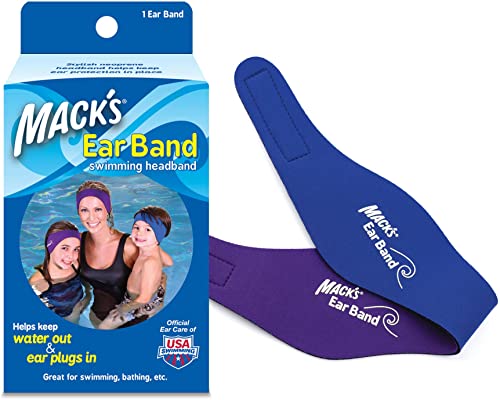
- Keeps water out and holds earplugs in place during water activities.
- Neoprene headband adds an extra layer of protection over earplugs to prevent fiddling or removal.
- Designed to work with earplugs to help prevent swimmer’s ear infections, especially with moldable silicone plugs sold separately.
- Doctor recommended when used with waterproof earplugs for those with ear tubes or perforations.
Lahtak 3D Silicone Cap With Ear Protection

- Seamless 3D design eliminates pressure lines and snagging.
- Stretches to fit adults and teens for a comfortable seal.
- Built-in ear pockets provide added water protection around the ears.
- Lightweight, smooth surface reduces drag while keeping hair dry.
Alepo 2 Pack With Ear Protection

- Two-pack silicone caps with a 3D ear structure for better protection.
- Elastic and large room design fits most heads, including longer hair.
- Waterproof silicone reduces chlorine exposure to hair and ears.
- Odorless, non-toxic, skin-friendly material for comfortable wear.
VIRSIDI Long Hair Cap With Ear Protection

- Premium silicone offers durability and a stretchable fit without deformation.
- 3D ergonomic ear design creates extra space around the ears for comfort and protection.
- Expanded back and roomy interior accommodate long or thick hair without pressure.
- Contours to the head to minimize drag while keeping hair neatly contained.
TYR Long Hair Silicone Cap For Braids
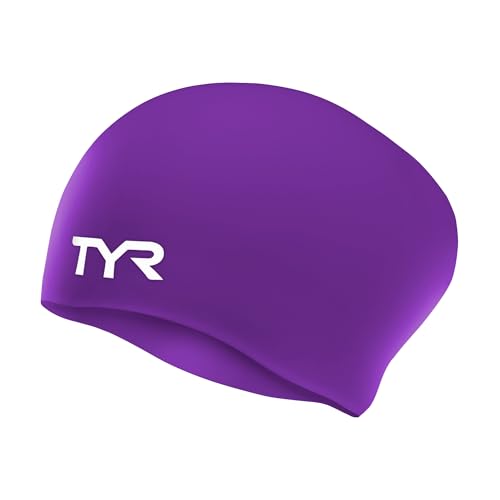
- Long hair friendly; designed to accommodate braids, dreadlocks, and curls.
- hypoallergenic silicone and durable construction for repeated use.
- Streamlines the silhouette to reduce drag and improve swim posture.
- Smooth wrinkle-free surface minimizes water resistance during laps and training.
Buying Guide
Key purchase considerations help ensure you pick a cap that truly keeps water out of the ears while aligning with your hair type, swimming style, and comfort preferences. Here are the most important factors to weigh.
Material and protection level. Silicone caps offer durability, stretch, and a reliable seal around the ears, especially when paired with built-in ear pockets or separate ear protection. Neoprene headbands deliver a more elastic fit and can be combined with earplugs for extra protection, though they might not be as snug against the forehead as full silicone caps. For swimmers with curly or long hair, look for designs engineered to accommodate larger head shapes and to hold ponytails without compressing the scalp.
Ear protection features and fit. Caps with 3D ear pockets or built-in ear protection reduce the chance of water entering the ear canal. Ear plugs used with a headband can enhance protection for frequent swimmers or those with a history of swimmer’s ear. If you wear ear tubes or have a history of ear infections, choose models that emphasize low-pressure, comfortable designs around the ears.
Hair length and style compatibility. Long or thick hair benefits from caps with extra internal space and back-room for ponytails, buns, or braids. Check the cap’s elasticity range and interior dimensions to ensure you can wear it over hair without pulling or tangling. Some caps include ergonomic shapes that minimize hair compression and reduce snagging on the pool edge or hair ties.
Durability, drag, and comfort. A wrinkle-free surface and a smooth inner lining reduce drag and improve comfort during laps. Look for caps that resist deformation after repeated use and stay snug without needing frequent adjustments. The seal around the ears should feel secure yet comfortable, avoiding excessive pressure on the temples or jawline.
Size, care, and maintenance. Most silicone caps are one-size-fits-all, but it’s important to check the flexibility for your head circumference. Rinse caps with fresh water after swimming to remove chlorine or salt; pat dry and store away from sharp objects. Regular inspection for tears or stretched seams helps maintain water resistance over time.
Use case and price considerations. If you mainly swim in pools with a need to protect both ears and hairstyle, a cap with ear pockets or a headband that holds earplugs can save time during gearing. If you swim open-water or have long sessions, prioritize a long-hair-friendly design with a secure seal and comfortable ear protection, even if it costs a bit more. Durability and comfort often provide better long-term value than the lowest upfront price.
Product comparison at a glance. For quick reference: Mack’s Headband focuses on earplug retention and a protective neoprene layer; Lahtak and Alepo offer silicone caps with built-in ear protection and roomy fits for long hair; VIRSIDI products emphasize 3D ear protection and long-hair design with extra space behind the cap; TYR’s option targets long hair and hair protection with a wrinkle-free surface to reduce drag. Your choice depends on whether you prioritize ear protection, hair management, or overall swim performance.
Practical tips for best results. Pair a silicone cap with high-quality waterproof earplugs for optimal protection, especially if you have a history of swimmer’s ear. Ensure a proper fit before entering the water—adjust the cap gently to avoid tearing. If you wear glasses or a swim mask, consider how the cap interacts with other gear to maintain a comfortable, watertight seal around the ears.