For backpackers who want three-person tents that won’t slow them down, reliability and space matter just as much as weight. The options below blend lightweight materials, sturdy poles, and weatherproof design, ideal for fall mountain treks, long-distance routes, or family-style car camping. Each shelter is chosen for easy setup, solid protection, and practical living space, helping you stay comfortable without carrying excess bulk. Use the quick-reference table to compare core specs at a glance, then dive into detailed notes on how each tent performs in real-world scenarios.
| Product | Interior Space | Weight | Key Strength |
|---|---|---|---|
| Marmot Crane Creek 3P Tent | 41.5 sq ft interior | — | Weatherproof, durable build with 7000-series aluminum poles |
| Kelty Discovery Trail Backpacking Tent | — | — | Easy setup with Quick Corners and pre-attached guylines |
| Naturehike Cloud-Up 3 Person Tent | 84.6 x 70.8 in floor area | 6.17 lbs total (2.8 kg) | Freestanding with two aluminum poles; PU3000mm waterproof fabric |
| Sierra Designs Full Moon 3 | — | — | Two doors and two vestibules; easy setup with Burrito Bag |
| Near Zero Dynalite 3-Person | 90 x 70 in interior | 4 lbs 11 oz | Lightweight freestanding design with dual doors and vestibules |
Marmot Crane Creek 3P Tent

The Marmot Crane Creek 3P Tent prioritizes space without sacrificing portability. It offers 41.5 sq ft of interior living area, giving three sleepers enough room for sleeping pads and gear. The seam-taped polyester fly and floor provide dependable weather protection while maintaining airflow for comfort in varied conditions. Its durable 7000-series aluminum poles contribute stability and longevity, reducing the chance of a wobbly setup on uneven ground. This combination makes it a strong option for backpacking trips where weight matters but shelter quality cannot be compromised.
Designed with fall and shoulder-season use in mind, the Crane Creek emphasizes a balance of livability and packability. It packs down compactly for a manageable backpacking load, and the weatherproof build helps keep moisture out without trapping excess heat. If you’re planning multi-day treks, or a flexible base for mountaineering excursions, this Marmot tent delivers reliable performance across a range of outdoor scenarios.
Kelty Discovery Trail Backpacking Tent
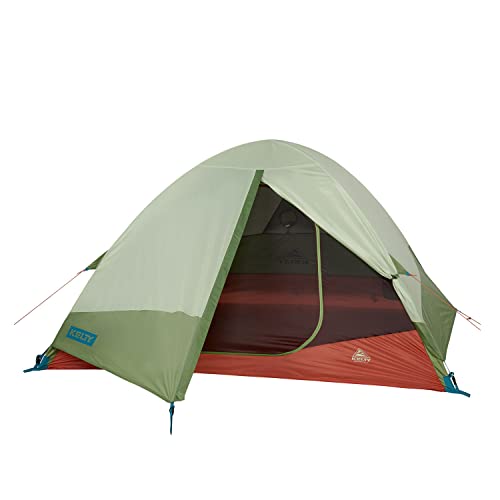
The Kelty Discovery Trail is built for easy, reliable setup in a compact footprint. It uses lightweight press-fit aluminum poles and Kelty Quick Corners to speed assembly, with pre-attached guylines that remove guesswork during breezy nights. A taped seam and waterproof fly protect against light rain, while the single door and single vestibule design keeps weight down and setup straightforward. The shark mouth stuff sack is notably practical for quick packing, making this tent ideal for both first-time backpackers and seasoned hikers who value simplicity.
With a focus on ease of use and budget-conscious durability, the Discovery Trail shines on quick overnight trips and weekend climbs. Its streamlined design supports faster pitches in varying weather, and the two-pole structure provides solid stability without adding bulk. If you want an approachable, dependable shelter for regular trekking, this Kelty model offers a well-rounded mix of features and value.
Naturehike Cloud-Up 3 Person Tent

The Naturehike Cloud-Up 3 Person Tent emphasizes a freestanding design with two aluminum poles for quick pitching. Its PU3000mm waterproof fabric and taped seams keep you dry in rain and mist, while the roomy interior measures 84.6 x 70.8 inches to sleep three comfortably. At about 6.17 pounds total (2.8 kg), it offers an appealing balance of weight and shelter for hikers who value ease of setup and responsive weather protection. The compact packed size makes it a practical choice for backpackers who travel light.
Designed for versatility, this tent suits hikers, cyclists, and mountaineers who need a reliable three-season shelter. The ample headroom and floor plan support comfortable changing and gear storage, and the freestanding geometry works well for varied terrains. Its combination of durability, weight, and ease of use makes it a popular pick for mixed adventures where you may hike, bike, or scramble between campsites.
Sierra Designs Full Moon 3

The Sierra Designs Full Moon 3 blends car-camping convenience with backpacker-ready setup. It features an expanded interior and a second door with an additional vestibule, offering more storage and easier access on both sides. The familiar two-pole design keeps assembly straightforward, and the Burrito Bag simplifies packing—drop the tent in, cinch the bag, and go. This configuration suits groups that value extra space and flexible gear organization without complicating the setup process.
Designed to satisfy both new campers and seasoned backpackers, the Full Moon 3 provides a practical balance of livable space and weather protection. The dual-vestibule layout supports better airflow and storage options, while the robust construction and reliable shelter geometry help you stay comfortable during extended trips or quick weekend outings with friends.
Near Zero Dynalite 3-Person

The Near Zero Dynalite 3-Person is designed for ultralight backpackers who still need comfortable three-person sleeping space. It weighs just 4 lbs 11 oz and packs to a compact size, helping you shave weight without sacrificing shelter. The interior measures 90 x 70 inches, offering room for three sleepers or two with gear. Dual doors and vestibules enhance accessibility and gear storage, making it easier to organize essentials during long treks or mixed-weather trips.
With a freestanding design and multiple internal mesh pockets, the Dynalite focuses on organization and quick setup. It’s well-suited for speed hikers who value a light footprint and dependable performance across three seasons. The combination of light weight, ample interior space, and practical vestibule access makes it a strong option for backpackers who prioritize efficiency on trail.
Buying Guide
- Purpose and terrain: Choose a tent that matches your typical camping environments. If you frequently hike in variable weather, prioritize weatherproof fabrics, taped seams, and a robust fly and floor.
- Capacity and space: A true 3-person tent should offer comfortable interior space for three sleeping pads and gear. Look for headroom measurements, floor area, and vestibule size to gauge comfort levels.
- Weight and packability: For true backpacking, weight matters. Compare total weight and packed size. Freestanding designs can add convenience but may weigh more than non-freestanding options.
- Setup complexity: Conventional two-pole designs are reliable and fast, but some models optimize setup with Quick Corners, pre-attached guylines, or color-coded poles. Consider your skill level and typical wind exposure when choosing.
- Ventilation and condensation control: Look for multiple doors or vented fly sections to improve airflow and reduce condensation in cool, damp conditions.
- Durability and materials: Check fabric ratings (such as PU waterproofing) and pole material (aluminum is common for strength with light weight). Taped seams and seam-sealing kits extend life in wet climates.
- Durability vs. price: Higher-end tents often provide lighter weight and better weather protection, but there are solid mid-range options that balance cost and performance for most backpackers.
- Footprint compatibility and space planning: If rain is frequent, a footprint or groundsheet can extend tent life and protect the floor. Confirm footprint compatibility with your tent model.
- Maintenance and care: Keep seams sealed, dry the tent after use, and store loosely to maintain fabric elasticity and pole integrity. A simple repair kit can save trips.
- Warranty and support: Brands differ in warranty coverage and customer support; consider this in relation to your intended usage and travel plans.