Bikepacking demands footwear that blends pedaling efficiency with off-bike traction and rugged durability. The following five clipless shoes balance grip, ventilation, and weight for days spent on gravel, road, and backcountry trails. This guide highlights design features, pedal compatibility, and practical considerations to help you pick footwear that supports long miles, variable terrain, and remote campsites.
The quick overview below lists five strong contenders for bikepackers, spanning gravel-ready models, all-terrain MTB shoes, and versatile all-rounders. Each option balances pedaling performance with walkability and weather resistance, so you can choose based on your typical routes, climate, and preferred closure style.
| Product | Brand | Notable Feature |
|---|---|---|
| Fizik Terra Atlas Boa Gravel Shoes | Fizik | Single-Boa closure for precise fit and low weight |
| Crankbrothers Clip-in MTB Shoes | Crankbrothers | Optimized Clip-In system, mud clearance, walkability |
| Giro Ranger Clipless Mountain Shoes | Giro | Synchwire upper, 3-strap closure, strong power transfer |
| Giro Gauge Clipless MTB Shoes | Giro | Laces with reinforced toe/heel for adjustable fit |
| SHIMANO SH-RP101 All-Rounder | SHIMANO | Versatile 5-hole outsole, SPD/SPD-SL compatibility |
Fizik Terra Atlas Boa Gravel Shoes

The Terra Atlas represents Fizik’s gravel-to-bikepacking ethos with a flexible yet supportive build. Its single-BOA closure allows precise micro-adjustment with gloves on, keeping the weight low and the fit clean on long days. The upper materials emphasize ventilation, helping feet stay cool during warm climbs and remote miles. A TPU toe overlay reinforces the toecap against abrasion from rocky approaches, while reinforced heel sections boost durability in rugged terrain. The outsole is designed to balance pedaling stiffness with walkability for off-bike sections, making it a practical option when you’ll be carrying gear through rough terrain. This model is particularly well-suited to mixed-terrain routes where you might encounter gravel, singletrack, and long road segments.
The Terra Atlas prioritizes efficiency without sacrificing comfort. It suits riders who value a refined, adjustable fit and want to minimize weight in a bikepacking setup. Because of its Boa system and breathable mesh, it lends itself to all-day wear without hotspots. For riders who frequently swap between pedaling and hiking, the Terra Atlas offers a forgiving last and reliable durability in a compact package. The combination of traction-friendly outsole design and toe- and heel-reinforcement makes it a versatile candidate for multi-day trips where terrain changes quickly.
Crankbrothers Clip-in MTB Shoes

Crankbrothers designs for riders who value a robust clip-in interface as much as off-bike versatility. The Match Box system is optimized for compatibility with a wide range of MTB pedals, ensuring secure engagement and easy release. Race Zone cleat positioning provides predictable control, while a stiff shank maximizes power transfer during long climbs and rapid accelerations. The shoe also emphasizes trail practicality with a ramped toe and durable outsole geometry to resist abrasion during mud-filled approaches. Cushioned EVA midsole and padded tongue improve impact protection, and the design supports confident on-trail hikes. This model is particularly appealing to riders who want secure clipping without compromising walkability on rough terrain or camp-to-trail transitions.
In terms of long-range bikepacking use, the Crankbrothers option offers a strong balance of clip-in reliability and off-bike comfort. The lack of overly aggressive stiffness keeps feet comfortable during all-day rides, while the protective toe and heel areas help when you’re navigating scree or rocky campsites. The combination of mud clearance and a responsive clip-in system makes it a practical choice for multi-day trips that include trail sections, river crossings, and uneven access routes to remote campsites.
SHIMANO SH-RP101 All-Rounder
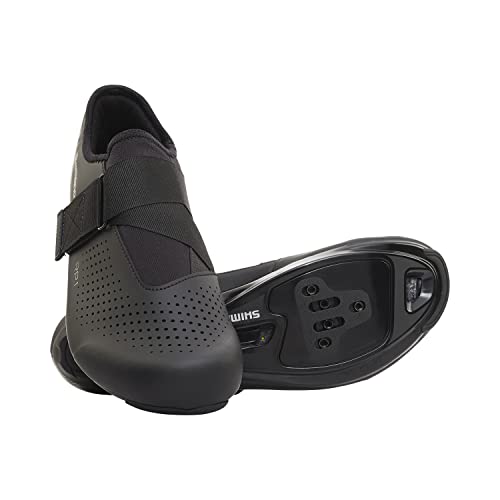
The SH-RP101 is built for riders who want a true all-rounder capable of road and indoor cycling demands as well as off-road exploration. Its versatile outsole is designed for compatibility with both SPD and SPD-SL cleats, enabling a smooth transition between clipless platforms you might encounter on mixed bikepacking routes. The fiberglass-reinforced sole emphasizes power delivery without compromising durability, which is essential for multi-day trips where efficiency translates to longer days in the saddle. The RP101’s upper aligns with a traditional lacing system and supportive midfoot structure, offering a comfortable fit for wider feet or longer miles. For riders who value broad pedal compatibility and a familiar road-style feel, this model provides reliable performance across terrain types.
With its adaptable design, the RP101 can be a prudent choice for those who anticipate frequent gear swaps or who plan to combine paved sections with gravel trails. The combination of a sturdy outsole and low-profile closure makes it a capable companion for riders who prioritize dependability and a familiar road-shoe feel when pedaling lengthy routes. Overall, it suits bikepackers who want a single shoe to handle a variety of terrain and pedal systems without sacrificing compatibility or comfort.
Buying Guide: Key Purchase Considerations For Clipless Bikepacking Shoes
When selecting clipless footwear for bikepacking, consider how you ride, where you ride, and how long you’ll be on your feet each day. The following factors help balance pedal efficiency with off-bike comfort and terrain versatility.
- Closure type and fit: Laces offer a customizable, precise fit but may require more adjustment during a ride; Boa closures provide quick micro-adjustment with gloves and are popular for gravel and long days in the saddle. Straps can be fast and secure but may loosen over rough terrain. Choose a closure style that you can adjust confidently on the trail without removing your pack.
- Upper material and ventilation: Mesh or breathable synthetics promote airflow on hot climbs, while reinforced microfiber or TPU overlays improve durability against rocks and moisture. For bikepacking in mixed weather, look for materials that balance breathability with water resistance and toe protection.
- Outsole stiffness and pedal compatibility: A stiffer sole improves power transfer on rough climbs, but too much stiffness can reduce comfort on long walks. Ensure the outsole is compatible with your preferred clipless system (SPD, SPD-SL, or other cleat designs) and consider a nylon or composite plate for a good balance of weight and stiffness.
- Weight and durability: Lighter shoes reduce fatigue on multi-day trips, but durability matters when you’re hiking across uneven terrain or scrambling to reach a campsite. Look for reinforced toe caps, heel cups, and wear-resistant outsole edges if you’ll encounter technical terrain.
- Terrain versatility: Bikepackers often blend gravel, singletrack, and road. Shoes with a grippy outsole, walkable lug pattern, and protective overlays are beneficial for mixed routes and occasional off-bike sections.
- Weather resilience: If you bikepack in wet or cold conditions, consider shoes with water resistance and toe protection. Strategic overlays and sealed seams can extend their usefulness in variable climates.
- Size and fit options: Some brands offer wider or narrower lasts and different width options. If your feet swell during long rides, choose models that provide room to accommodate swelling without sacrificing stability.
- Maintenance and care: Clipless shoes require occasional cleat maintenance and cleaning of mud and debris. A model with robust lugs and reinforced uppers will require less frequent care on week-long trips.
- Budget and value: More affordable models may suffice for casual bikepackers, while frequent endurance riders often favor higher-end materials and more advanced closures for long-term durability and comfort.
In practice, the best choice depends on your typical terrain, foot shape, and how you balance walking comfort with efficient pedaling. For gravel-heavy routes, a model with a breathable upper, secure closure, and a stiff but walkable sole tends to perform best. For backcountry trips with long hikes, look for reinforced toe protection, walkable lug patterns, and a closure system you can adjust on the fly. Finally, if you often switch between road and trail on the same trip, a versatile all-rounder with broad cleat compatibility can simplify gear choices without sacrificing performance.