Bowstring wax protects string material from moisture, dirt, and wear. For compound bows, a well-chosen wax reduces friction on strings, cables, and cams, and can extend string life between replacements. Modern waxes range from natural beeswax blends to polymer formulas designed for synthetic bowstrings. Climate, string type, and shooting frequency shape how often you re-wax and how much you should apply. This guide highlights five popular waxes from established brands, comparing texture, durability, and ease of use to help you choose with confidence.
A quick summary of the featured products is shown in the table below.
| Product | Brand | Key Benefit |
|---|---|---|
| Bohning Tex-Tite Bowstring Wax | Bohning | Natural-based, synthetic string friendly |
| SHENG-RUI Bow String Wax | SHENG-RUI | Direct-rail application, compact design |
| Allen Titan Crossbow String Wax | Allen Company | Two-pack value for crossbow maintenance |
| Scorpion Venom Bowstring Wax | Scorpion | Polymeric formula with durable coating |
| Shatterproof Archery Bowstring Wax | Shatterproof Archery | Consistent texture across temperatures |
Bohning Tex-Tite Bowstring Wax
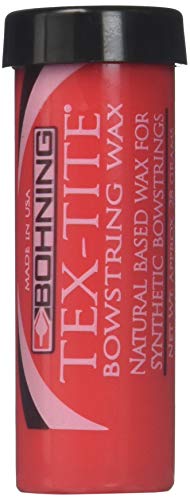
Bohning Tex-Tite is a natural-based wax formulated specifically for synthetic bowstrings. The 1 oz clear formulation coats the string evenly, resisting dust and moisture while reducing friction on serving areas. Made in the United States, it is trusted by archers who rely on modern synthetic strings.
Application is straightforward: warm the wax slightly with your fingers and apply a thin, even layer along the string and cables. Reapplication frequency depends on shooting frequency and climate; many archers wax every few weeks during peak season to maintain string integrity.
SHENG-RUI Bow String Wax

SHENG-RUI Bow String Wax is a compact option designed for direct rail application on crossbow, recurve, and compound bows. Each piece weighs 0.15 oz and measures 16.5 mm in diameter and 66 mm in length. It is designed to be applied directly to the rail and wiped down with a finger or soft cloth for cleanup.
Applying directly to the rail minimizes friction and helps protect string fibers. Wipe away excess wax with a finger or soft cloth after application to prevent buildup on string or limbs. Regular use can improve string life in humid or dusty conditions.
Allen Titan Crossbow String Wax
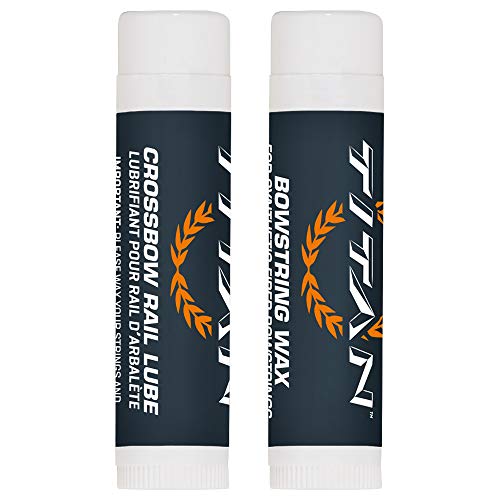
Allen Company Titan Crossbow String Wax comes in a two-pack designed for synthetic bowstrings and rails. The wax acts as a protective coating, helping to lengthen string life and shield the string from dust, dirt, and moisture. American-made quality appeals to hunters and target archers who rely on crossbows for reliable performance.
To apply, rub a small amount along the string and rail, then wipe away any excess. The two-pack makes it convenient to keep a spare supply for field maintenance and seasonal use.
Scorpion Venom Bowstring Wax
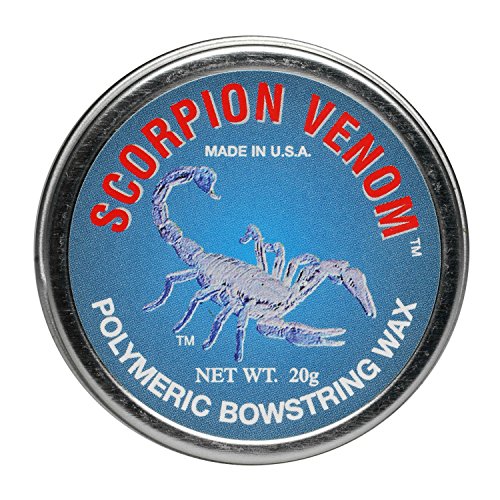
Scorpion Venom Polymeric Bowstring Wax uses a polymer formulation designed to deliver a smooth, lasting coating for most bowstrings. The compact packaging makes it easy to stash in a quiver or bag, while the polymer chemistry resists dust and moisture to help protect string fibers.
Details on application are minimal, but users typically apply a light layer along the string and allow it to set. Regular inspection helps ensure ongoing protection and consistent performance through varied field conditions.
Shatterproof Archery Bowstring Wax

Shatterproof Archery Sticky Bowstring Wax offers a convenient 1 oz push-tube with a wax that maintains consistent texture across temperature ranges. It is described as long lasting, with the tube allowing for easy transport. The sticky formula helps it cling to the string and, with a touch of heat, bond for durable protection.
Users typically apply a thin layer along the string, focusing on the portions near serving and where wear is most likely. The design supports frequent maintenance during hunting seasons or intense practice schedules.
Buying Guide
Choosing the right bowstring wax depends on string type, bow type, and climate. The following considerations help readers compare options and select a wax that aligns with their shooting style and maintenance routine.
- String material and bow type: Synthetic strings on compounds or crossbows often benefit from polymeric or synthetic-focused waxes, while natural-fiber strings may respond better to beeswax blends.
- Wax formulation: Polymer-based waxes tend to last longer on synthetic strings and resist dust; beeswax or natural blends can feel softer and are easier to apply in cold conditions.
- Application method: Some waxes are rubbed onto the string, others are designed for direct rail application. Choose according to your bow setup and maintenance preference.
- Temperature tolerance: If you shoot in wide temperature ranges, look for waxes advertised as maintaining texture across hot and cold conditions.
- Durability and reapplication: Consider how many applications you can get from a tube or can, and how often you’ll need to reapply during a season.
- Moisture and dust protection: A good wax should help keep moisture out of the string and prevent debris buildup near serving.
- Packaging and value: Single-tube waxes are convenient, but two-packs or bulk options may offer better value for frequent waxers.
- Brand reputation and availability: Established brands with US-based manufacturing or strong quality control can provide consistent results and easier replacement parts.