Choosing a cycling GPS computer involves balancing navigation accuracy, battery life, display readability, and data depth. The following five devices represent a range of features from advanced mapping and coaching to robust battery performance and user-friendly interfaces. Each option is suited to different riding styles, whether you’re chasing speed, exploring new routes, or planning long endurance trips.
| Product | Brand | Key Features |
|---|---|---|
| Garmin Edge 540 | Garmin | Advanced GPS navigation, performance monitoring, smart connectivity, up to 26–42 hours depending on mode. |
| COROS DURA Solar | COROS | 120 hours GPS, solar charging, 2.7″ color touchscreen, turn-by-turn navigation, multisport routing. |
| GEOID CC600 | GEOID | 2.4″ color screen, colorful route navigation, GPX import, automatic re-routing, WiFi & Bluetooth. |
| iGPSPORT BSC300T | iGPSPORT | 2.4″ touchscreen, 6 buttons, multi-satellite compatibility, off-course warnings, offline map navigation. |
| COOSPO Bike Computer | COOSPO | ANT+ and Bluetooth, 2.4″ LCD, auto backlight, IP67 water resistance, easy app setup. |
Garmin Edge 540: Advanced GPS Cycling

The Garmin Edge 540 is a compact, feature-rich GPS bike computer designed to enhance navigation, training, and safety on every ride. It combines robust navigation with performance monitoring and smart connectivity to keep riders informed during long days in the saddle. The device supports advanced mapping, route planning, and daily coaching prompts that adapt to your training load when paired with compatible power meters and heart rate monitors. Battery life extends up to 26 hours during demanding use, with even longer durations possible in battery saver modes, making it well-suited for multi-hour adventures.
Navigation and data depth drive the Edge 540. Riders gain access to dynamic navigation, turn-by-turn prompts, and on-screen workouts that can help structure training around events or personal goals. The device prioritizes visibility in sunlight and offers intuitive controls, including button-based operation for quick access while riding. Connectivity with sensors and third-party apps enhances data synergy across workouts, enabling a cohesive training ecosystem. In challenging conditions, the Edge 540’s reliable GPS performance helps you stay oriented, while smart features help you stay on track with targets and performance metrics.
COROS DURA Solar GPS Bike Computer

COROS DURA Solar stands out for its extraordinary endurance and solar-assisted charging. With up to 120 hours of GPS battery life, it’s designed for extended trips and heavy training blocks without frequent recharges. The 2.7″ MIP color touchscreen provides clear visibility, and the device supports turn-by-turn navigation and multiple routes through popular platforms like Strava, Ride with GPS, and Komoot. Solar charging adds precious ride time, extending usability in sunny environments. Dual-frequency GPS improves positioning accuracy, especially in challenging terrain, while the device’s rugged build is suited to rain, dust, and everyday wear.
Ease of use is a hallmark of COROS DURA Solar. The touchscreen navigation is responsive, and the design emphasizes one-handed operation with gloves. This model integrates fast data syncing to ensure your activity data arrives quickly to your preferred apps. The combination of long battery life, resilient design, and practical navigation features makes DURA Solar a compelling option for riders who value reliability on long-distance rides and bikepacking expeditions.
GEOID CC600 Color Screen GPS

The GEOID CC600 introduces a vivid 2.4-inch color display with a durable glass surface and a straightforward three-button layout. Its navigational strengths lie in colorful route guidance, turn reminders, and on-screen notifications that help riders stay focused on the path ahead. The device supports GPX file uploads via a phone app and offers automatic re-routing to keep you on course if you drift off track. WiFi and Bluetooth enable quick firmware updates and data transfers, reducing the friction commonly associated with keep-up-to-date navigation devices.
CC600 emphasizes seamless connectivity and quick data access. The vibrant display enhances readability in various lighting conditions, while the intuitive controls support confident operation during rides. The combination of turn-by-turn guidance and automatic re-routing makes it a practical choice for riders who explore new routes or rely on pre-planned GPX tracks. While it may not boast the longest battery life, its feature set focuses on reliable navigation, quick updates, and straightforward data management.
iGPSPORT BSC300T Wireless GPS
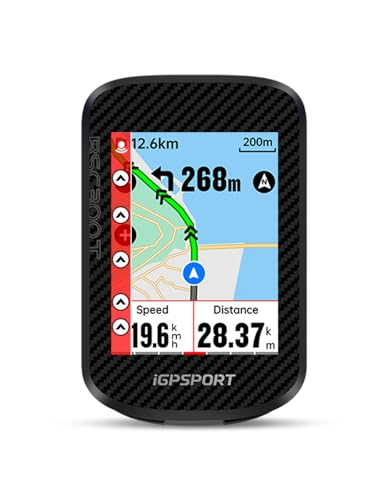
The iGPSPORT BSC300T offers a large 2.4″ touchscreen complemented by six physical buttons for rapid access to essential data while riding. It supports multiple satellite systems (GPS, Beidou, GLONASS, GALILEO, QZSS), enabling faster positioning and more reliable data across diverse environments. The device provides offline navigation with access to maps and an off-course warning system that helps riders quickly correct course. It’s designed for compatibility with e-bikes and can display power levels and other ride metrics, making it suitable for riders who want a versatile, all-in-one computer on road, MTB, or hybrid bikes.
In terms of usability, BSC300T balances touchscreen convenience with button shortcuts, aiding operation in wet or muddy conditions. Its broad satellite support improves location accuracy in remote or urban canyons, and the off-course alerts help riders learn from deviations in real time. This model is particularly attractive for riders who want a feature-rich device at a more approachable price point without sacrificing core GPS capabilities, route planning, and data visualization.
COOSPO Bike Computer GPS

COOSPO’s GPS bike computer focuses on connectivity and practical data tracking. It supports ANT+ sensors and Bluetooth connections, letting riders pair heart rate monitors, speed and cadence sensors, and power meters for a comprehensive data picture. The device features a 2.4″ LCD display with auto backlight for legibility in bright sun or low light. The app integration enables quick device setup, route loading, and firmware updates, making it a convenient option for riders who want an accessible, versatile computer that works well with existing sensor ecosystems.
With reliable GPS positioning and straightforward data access, COOSPO is a solid value choice for cyclists seeking essential navigation, ride data, and sensor integration without overcomplicating the user experience. The IP67 rating ensures some protection against dust and rain, supporting confident use during average weather conditions. For riders starting to assemble a connected bike computer setup or expanding their sensor network, COOSPO offers an approachable path to richer ride data.
Buying Guide: Key Purchase Considerations And Comparisons
Selecting the right cycling GPS computer depends on your riding goals, preferred features, and how you plan to use the device during training and events. The following considerations help compare options and identify what matters most for different riders.
GPS Technology, Satellites, And Positioning
Look for multi-satellite support (GPS, GLONASS, Beidou, Galileo, and others) to ensure reliable positioning in urban canyons and remote areas. Units with dual-frequency GPS can improve accuracy in challenging environments. If you ride in areas with limited signal, a device with faster reacquisition and better off-road navigation will minimize downtime and drift.
Battery Life And Power Management
Battery life dictates how often you recharge, especially on long rides, events, or bikepacking trips. Some models deliver long endurance through power-saving modes, solar charging, or both. Evaluate expected runtime in real-world scenarios, and consider whether the device supports battery saver modes that still provide essential navigation and data fields.
Display Readability And Control
Display size, readability in bright sun, and touchscreen versus button controls impact usability. Glare resistance, screen brightness, and color clarity matter. For riders who prefer gloves or wet conditions, a button-based interface can be advantageous, while touchscreens offer quicker data access for many users.
Navigation, Maps, And Route Planning
Assess whether the device supports turn-by-turn navigation, offline maps, GPX import, and automatic re-routing. For exploration riders, a vivid map display and easy GPX workflow are essential. For strict training routes, robust training plans and coaching prompts add value.
Sensors, Connectivity, And Data Ecosystem
ANT+ and Bluetooth compatibility with power meters, heart rate monitors, and speed/cadence sensors expands data depth. Compatibility with platforms like Strava, Ride with GPS, and Komoot is helpful for route planning and data analysis. Data export options and firmware update processes also influence long-term usability.
Durability, Water Resistance, And Mounting
Riders should consider IP ratings, weather resilience, and mount compatibility. A rugged build and water resistance reduce worry during wet rides. Ensure the device fits your handlebars and has reliable mounting options for your preferred cycling setup.
Value, Ecosystem Fit, And Support
Price-to-feature value varies across brands. Consider how the device fits your existing ecosystem, including sensors, apps, and potential future upgrades. Software support and periodic firmware updates extend the device’s usefulness over years of riding.