Foam sleeping pads offer rugged warmth and simple design that endure rough campsites and long trips. They come in closed-cell foam variants, memory-foam options, and ultralight folds, balancing comfort, weight, and price. This guide highlights five strong foam pads that perform well in rough terrain, car camps, and backpacking trips, focusing on insulation, durability, and packing efficiency. Whether you’re setting up on a chilly forest floor or smoothing a bumpy ground, these pads provide a reliable night’s sleep so you wake ready for the next day of adventure.
| Product | Brand | Material | Key Feature | Ideal Use |
|---|---|---|---|---|
| Therm-a-Rest Z Lite Original | Therm-a-Rest | Closed-Cell Foam | Accordion-style; R-Value 1.7 | Backpacking / Backcountry |
| Wakeman Foam Sleeping Pad 1.25″ | Wakeman | Closed-Cell Foam (NBR) | 1.25-inch thickness; 76 inches long | Family/Cot Tents |
| THINTON Foldable Foam Pad | THINTON | IXPE Foam | Foldable; insulation rating 2.1 | Ultralight Travel |
| CYMULA CertiPUR-US Memory Foam Pad | CYMULA | Memory Foam | CertiPUR-US certified; portable | Comfort-First Sleeping |
| Fitply Ultralight Foam Pad | fitply | XPE Closed-Cell | Ultra-light; insulation rating 2.1 | Weight-Conscious Trips |
Therm-a-Rest Z Lite Original
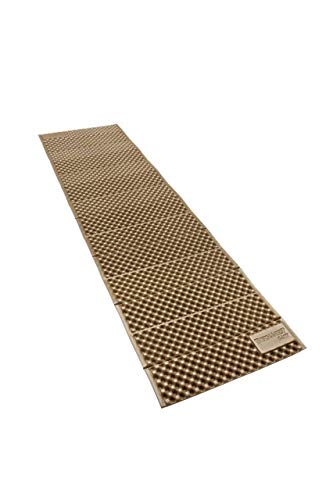
The Therm-a-Rest Z Lite Original is a longtime staple for campers who want simplicity and reliability. Its accordion-style closed-cell foam construction folds for compact packing and unfolds into a cushioned surface that insulates well from cold ground. The pad’s lightweight, durable foam makes it a favorite for minimalist backpacking and rugged car camping alike. A dimples-in-foam design helps trap heat, while the rigid panels prevent snagging or tearing common with fabric pads. Although not a luxury mattress, its ruggedness and quick setup make it a dependable option in variable weather and uneven ground.
Wakeman 1.25-Inch Foam Pad
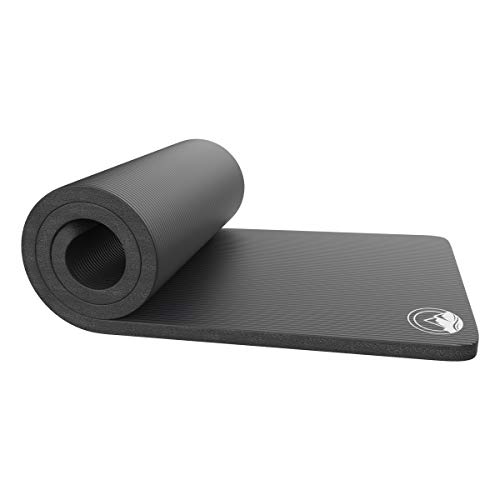
This Wakeman pad prioritizes a balance of warmth and portability with a 1.25-inch-thick premium foam surface. At 76 inches long, it easily accommodates most sleepers on extra-wide cots or tents. Weighing around five pounds, it remains manageable to carry for short hikes and weekend trips, especially with its built-in carry straps. The NBR foam construction provides a non-slip surface to help you stay in place through a restless night, and the waterproof exterior adds insulation against damp ground. The pad’s durability suits campouts in damp or muddy sites, making it a solid choice for families and long stays in the outdoors.
THINTON Foldable Foam Pad

The THINTON foldable foam pad emphasizes compact storage and versatile use. Its IXPE foam base integrates with an aluminum-backed surface, reflecting heat to help retain body warmth. The pad opens to a generous open size of 180 by 60 by 1.8 centimeters, then folds to a compact carry size of roughly 23.6 by 5.5 by 5.5 inches, making it practical for hikers and backpackers who need to minimize pack weight. With a feather-light fold and a weight of about 455 grams, it’s easy to carry on quick trips or longer through-hikes. The insulation rating of 2.1 supports warmth in mild to cooler temperatures, and the non-slip bottom helps maintain stability on uneven terrain.
CYMULA CertiPUR-US Memory Foam Pad

The CYMULA memory foam pad uses high-density memory foam to conform to body contours, distributing weight evenly for pressure relief across the night. CertiPUR-US certification adds assurance of low emissions and safe materials, which is beneficial for those concerned about chemical exposure. The pad is designed for easy portability and includes a travel bag and straps, helping it roll up compactly for car trips or tent camping. The waterproof, non-slip bottom helps maintain stability on damp or uneven ground, ensuring the user remains comfortably supported throughout the night. This option emphasizes comfort with a focus on a more luxurious sleeping experience in outdoor settings.
Fitply Ultralight Foam Pad

The Fitply ultralight pad stands out for travelers prioritizing weight. Made from ultra-light XPE foam, it unfolds to a generous 70.8 by 23.6 by 0.7 inches, yet weighs a mere 0.7 pounds when compact. Raised nodes on the surface provide extra back support and airflow, improving comfort for long nights on the ground. The combination of high and low nodes helps to trap warmth and align with body curves, and a heat-reflective aluminum film adds supplemental insulation rated at 2.1. This pad is well-suited for minimalist backpackers and fast-paced trips where packing light is essential.
Buying Guide
Key Considerations
Choosing a foam sleeping pad depends on the trade-offs between weight, thickness, insulation, and packability. Closed-cell foam pads generally offer rugged durability, moisture resistance, and low maintenance, while memory-foam variants prioritize comfort and body conformity. Thickness affects warmth and comfort: thicker pads provide more cushioning but weigh more and take longer to pack. Insulation ratings, usually expressed as heat retention values, indicate how well a pad protects against cold ground. When camping in damp or chilly environments, a pad with a higher insulation rating and a non-slip bottom is especially beneficial.
Material And Durability
Closed-cell foam pads (like many in this list) tend to be rugged and long-lasting, resisting punctures and moisture. Memory-foam pads offer superior pressure relief but can be heavier and less weather-resistant unless paired with protective covers. IXPE and other advanced foams help balance compressibility with resilience, enabling compact folding without sacrificing comfort. For family or group camping, consider pads that dry quickly and resist moisture to simplify campsite cleanup and storage.
Weight, Pack Size, And Setup
Weight and packability matter for backcountry trips. Ultralight options like the Fitply pad minimize pack weight, while thicker, more cushioned pads like memory-foam variants may be heavier but deliver a more luxurious sleep. Quick setup is another advantage of foam pads, with many folding or accordion designs enabling rapid deployment after a long day.
Use Case And Terrain
Your camping environment drives pad choice. Car campers may favor comfort and warmth over weight, selecting memory-foam or thicker closed-cell models. Backpackers benefit from ultralight, compact options with adequate insulation. In damp or rocky sites, a pad with a non-slip bottom and robust waterproof surface improves stability and longevity.
Care, Maintenance, And Budget
Foam pads require minimal maintenance but should be kept dry when stored. Avoid prolonged exposure to direct heat, and clean with a damp cloth if needed. Memory-foam pads may require more careful handling to preserve shape. Budget considerations typically prioritize durability and warmth: investing in a pad with a higher R-value or better durability can deliver longer use and better sleep quality over time.