In baseball and softball, fungo bats are used by coaches to simulate fly balls and grounders during drills. This guide highlights five top options across wooden and aluminum designs, focusing on balance, reach, and durability for infield and outfield work. The picks below help players refine footwork, hand-eye coordination, and throwing accuracy in practice. The table at the end shows quick comparisons to help you choose the right fungo bat for your team or training routine.
| Product | Brand | Length | Material | Best For |
|---|---|---|---|---|
| Rawlings Wood Fungo Training Bat | Rawlings | 35″ | Northern Ash | Fielding practice |
| Louisville Slugger K100 Fungo 36″ | Louisville Slugger | 36″ | Wood | Fielding practice |
| Mizuno Pro Fungo Bat Infield 35 Grey | Mizuno | 35″ | Not Specified | Infield/outfield work |
| Easton F4 Aluminum Fungo Bat 35 | Easton | 35″ | Aluminum | Infield/outfield drills |
| Mizuno Pro Fungo Bat 37 In Red | Mizuno | 37″ | Not Specified | Infield/outfield work |
Rawlings Wood Fungo Training Bat

Rawlings Wood FUNGO Training Bat is designed for baseball and softball fielding practice. Made from Northern ash with a cupped barrel, it delivers a light, balanced swing ideal for long grounders to infielders and pop flies to the outfield. The wood construction provides natural feedback that helps players develop proper hand-eye coordination and timing. The cupped barrel reduces end weight to improve control during extended sessions, making it a staple for coaches focusing on defensive drills.
The design emphasizes durability and a traditional feel, which supports consistent practice cues around footwork and positioning. It’s a reliable option for players who benefit from a tactile bat that mirrors real-game contact while focusing drills on defensive mechanics.
Louisville Slugger K100 Fungo 36 Inch
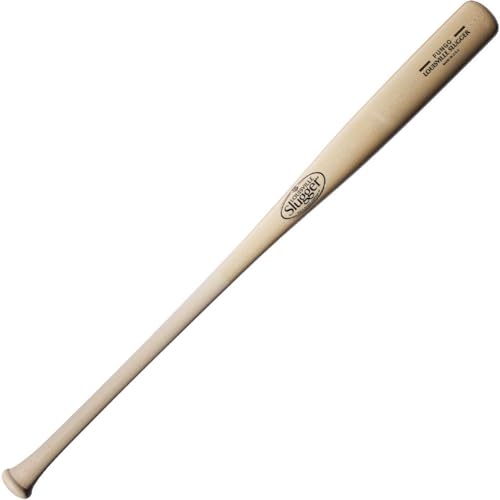
Louisville Slugger K100 Fungo 36” Training Bat offers a reliable, natural feel with a Series 3 fungo profile and a 36-inch length that mirrors real-game reach. This wood bat performs well for long-range drills and quick transition plays, giving coaches a consistent tool to simulate fly balls and grounders. Its natural finish and sturdy construction support frequent use in both infield and outfield practice sessions.
The K100 line is known for steady performance under heavy use, helping coaches control drills with predictable feedback. The balance and durability make it suitable for repetition-heavy sessions where accuracy and tempo matter for defensive development.
Mizuno Pro Fungo Bat Infield 35 Grey

Mizuno Pro Fungo Bat Infield 35 Inch Grey offers a versatile design suitable for infield and outfield work. The 35-inch length provides a balanced reach that makes it easy to simulate a wide range of ball trajectories during drills. The high-gloss finish adds a premium look while maintaining a lightweight feel for quick hand movements.
Although the exact material isn’t specified, Mizuno’s Pro line emphasizes precise bat feel to support coaching cues during practice. This model prioritizes control and timing, helping defenders refine footwork and glove placement during reps.
Easton F4 Aluminum Fungo Bat 35 Inch

Easton F4 Aluminum Fungo Bat features a thin handle and pro-taper grip, delivering a quick, controlled swing. The 35-inch length and 22-ounce weight are tuned for fast action in both infield and outfield drills. Aluminum construction provides durability and a lighter swing feel, helping players maintain tempo through long practice sessions.
The design emphasizes a crisp contact area and reliable feedback, enabling coaches to guide ball placement and trajectory with confidence. This model is a solid option for coaches who value durability without sacrificing swing speed during extended drills.
Mizuno Pro Fungo Bat 37 Inch Red

Mizuno Pro Fungo Bat 37 Inch Red is designed for extended reach in fielding drills. The longer length helps simulate deeper fly balls and longer ground balls, making it a good option for players working on range and positioning across both infield and outfield work. The lightweight build and premium finish contribute to smooth tempo and consistent feedback for coaching cues during practice.
Durability and balance are emphasized in Mizuno’s Pro line, supporting frequent use in high-volume drills. The 37-inch model offers an expanded reach while maintaining control, a boon for coaches focusing on defensive range and coverage during practice sessions.
Material Matters: Wood, Aluminum, Or Maple
Wood fungo bats provide natural feedback and a traditional feel that many coaches prefer for teaching timing and glove work. Common woods include ash and maple, with ash offering a lighter swing and maple delivering durability for frequent practice. Aluminum fungo bats, like Easton’s F4, emphasize durability and a lighter swing weight, which can reduce fatigue during long drills. Some models may use other materials or blends; always check product specs for exact composition to match your team’s practice style and budget.
Length And Weight: Getting The Right Reach
Fungo bats typically range from mid-30s in length. Longer bats increase reach and can help simulate deep fly balls, while shorter options offer quicker hand speed and tighter control. Weight also influences swing speed; lighter bats enable rapid reps but may sacrifice some depth of projection, whereas heavier bats can require more strength but deliver stronger contact on a variety of balls. Choose length and weight based on player size, drill type, and coaching goals.
Fielding Scenarios And Drills
For infield work, a lighter, balanced fungo can help players develop quick hands and fast transfers on ground balls. For outfield practice, a bat with a bit more reach and a stable swing helps simulate fly balls and misdirected line drives. Coaches may rotate between wood and aluminum models to vary feedback and to reduce player fatigue. Consider pairing longer models with drills that emphasize angle and depth to improve overall fielding range.
Durability And Care
Wood fungos require proper storage to prevent cracking and warping; keep them dry and away from extreme temperatures. Regularly inspect for checks or splits and treat wooden bats with appropriate care if recommended by the manufacturer. Aluminum fungos are typically low-maintenance but should be checked for grip wear and any dents that affect swing feel. Clean with a dry cloth and store in a protective sleeve or rack when not in use.
Buying, Availability, And Brand Reliability
Prices and availability vary by model and retailer. When selecting a fungo bat, consider brand reputation, construction quality, and the consistency of the product across batches. If possible, test different weights and lengths to determine which model aligns with your team’s drills and coaching style. Keep an eye on warranty or return policies, especially for younger players who may outgrow a bat quickly.