Winter running adds extra challenges as sidewalks and trails become slick with ice and frost. The right ice cleat can boost stability, improve balance, and help you maintain form through cold conditions. This guide highlights five top-running cleats, comparing fit, durability, and ease of use so you can pick a model that matches your footwear and preferred running routes. From lightweight designs to full-coverage traction, these options cover a range of budgets and climates for year-round training.
| Product | Brand | Primary Use | Notable Features |
|---|---|---|---|
| Yaktrax Run Traction Cleats For Running | Yaktrax | Running | 3mm carbide-steel spikes and 1.4mm stainless-steel coils; 360-degree traction |
| Korkers Ultra Runner Ice Cleat | Korkers | Running | 16 replaceable carbide spikes; Stretch Fit adjustable strap |
| STABILicers Run Traction Cleats | STABILicers | Running | Full-sole coverage; aggressive TPE tread |
| Due North Everyday Pro Traction Aids | Due North | Running / Walking | 6 spikes per cleat (12 per pair); 360-degree pattern |
| ICETRAX V3 Tungsten Crampons | ICETRAX | General winter traction | 9 tungsten carbide spikes; StayON toe cap |
Yaktrax Run Traction Cleats For Running

Yaktrax Run cleats are engineered for runners who need dependable ice grip without sacrificing stride. They slip over most running shoes and provide 360-degree traction, enabling stable forward, backward, and lateral movement on icy surfaces. The system uses a combination of 3mm carbide-steel spikes and 1.4mm stainless-steel coils to maximize bite across directions, promoting confidence during tempo runs and easy recovery jogs alike. A thermoplastic rubber sling is designed to stay flexible in cold temperatures and remains recyclable, contributing to durability and lower environmental impact in winter training cohorts.
The design emphasizes quick on/off usability, so you can adapt to changing weather or park paths. While primarily marketed for running, the cleats also offer solid performance on compact snow and light ice. They are best suited for routine winter routes rather than rugged, highly choppy terrain, and they can be a practical choice for runners who want reliable, lightweight traction without bulk.
Korkers Ultra Runner Ice Cleat
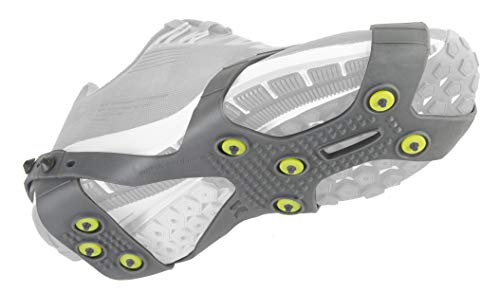
The Korkers Ultra Runner Ice Cleat focuses on a secure, customizable fit with a Stretch Fit design that accommodates a wide range of footwear, from running shoes to outdoor boots. It features 16 carbide spikes that can be replaced as needed, delivering aggressive bite on ice while maintaining a light overall feel. Weighing about 4.5 oz per pair, these cleats are built for runners who value durability and quick transitions between road and trail surfaces. The replaceable spikes help extend the product life in harsher winter conditions, making them a practical option for frequent winter runners.
With a running-focused stance, the Ultra Runner emphasizes stability during dynamic movements, such as lunging sprints or sharp direction changes. The combination of carbide spikes and a snug strap system provides steady traction on frozen pavement and well-packed trails. If you frequently encounter variable surfaces, this model offers a balance of grip, adjustability, and ease of use for daily winter runs.
STABILicers Run Traction Cleats For Running
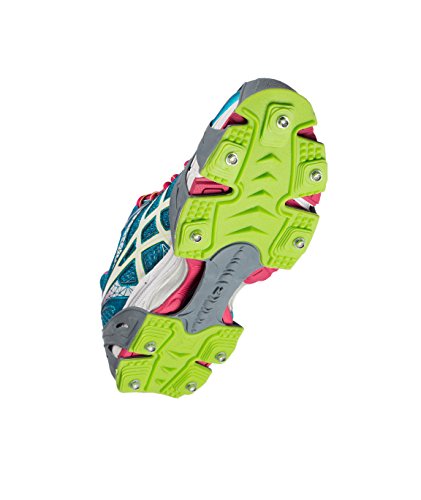
STABILicers Run cleats provide full-sole coverage for running on ice and snow, delivering a consistent traction profile from heel to forefoot. The design reduces slip risk by maintaining contact with the surface across the entire stride, which can help preserve running efficiency on slick streets or packed trails. The cleats feature an aggressive tread molded into a Thermoplastic Elastomer (TPE) outsole, offering reliable bite at the toe and sides, while maintaining a relatively lightweight footprint. This model suits runners who want comprehensive traction without sacrificing stride length.
These cleats are straightforward to install and remove, making them a practical option for daily winter runs. The full-coverage approach helps minimize foot movement on the outsole, which can be beneficial when navigating icy boardwalks or city sidewalks after a storm. They pair well with multiple shoe types, from road flats to light trail shoes, making them a versatile choice for varying winter routes.
Due North Everyday Pro Traction Aids

Due North Everyday Pro traction aids are designed for running and walking in winter conditions, featuring a 360-degree spike pattern that provides both push and lateral grip. The 6-spike-per-cleat configuration (12 spikes per pair) enables solid bite across different surfaces, including icy sidewalks and light-packed trails. The spikes are made from military-grade tungsten carbide, offering strong durability and sharpness for sustained winter training. Replacement spikes are available, helping you extend the life of the cleats when wear becomes noticeable on high-use routes.
The Pro model emphasizes stability over speed, making it a solid choice for runners who balance distance with safety during icy seasons. The 360-degree pattern helps reduce side-to-side slipping on sharp cornering while maintaining stability for gradual pace work. It can appeal to runners who want reliable performance across a variety of winter environments, rather than models optimized only for straight-line running.
ICETRAX V3 Tungsten Crampons
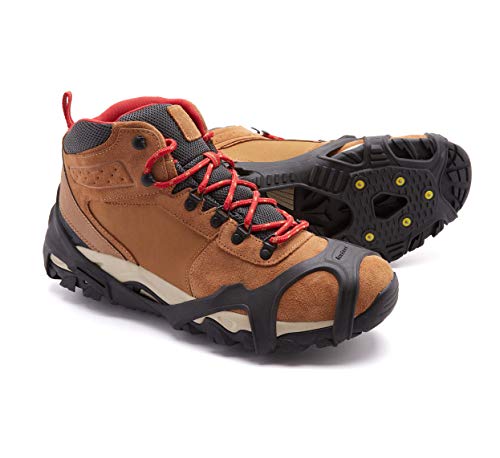
ICETRAX V3 Tungsten Crampons bring a rugged, high-traction option with nine tungsten carbide spikes positioned for maximum bite on ice and packed snow. Canadian design roots reflect harsh winter use, and the StayON toe cap helps keep the cleats securely in place on a wide range of footwear. The slip-on style can be used quickly between runs or on the fly during winter workouts, making them suitable for runners who travel between icy sidewalks and gym or park facilities. The V3 model emphasizes secure fit, durability, and concentrated grip where many winter trails are most treacherous.
Buying Guide
Choosing the right ice cleat involves balancing foot comfort, fit, and traction across different winter conditions. Below are key purchase considerations to help you compare models and optimize safety without sacrificing performance during runs.
Fit And Footwear Compatibility
Look for a model that suits your typical footwear, whether it’s road running shoes, trail shoes, or light boots. Some cleats rely on a Stretch Fit strap or StayON toe cap to secure the traction aids to a wide range of shoe types. A snug fit reduces movement inside the cleat, which helps prevent pressure points and potential detachment during sprints or quick direction changes.
Traction Type And Durability
Traction comes from spikes, coils, or a combination. Carbide spikes offer durable bite on ice, while coil systems provide flexible contact with uneven surfaces. Full-sole coverage can improve stability on flat, slick surfaces, but may add a bit more weight. Consider whether you prioritize maximum bite (more spikes) or lighter weight for longer winter runs.
Ease Of Use
Some models install quickly over running shoes, while others use a more complex strap system. If you frequently switch between running and walking, prioritize cleats with simple on/off mechanisms and reliable closure systems. Replacing worn spikes can extend the life of the cleats, particularly in high-use urban environments.
Weight And Bulk
Weight influences running efficiency. Ultra-light designs reduce fatigue on long winter runs, while heavier models may deliver more aggressive traction. Consider the typical terrain—gentle sidewalks versus icy, uneven trails—to choose an appropriate balance of weight and grip.
Durability And Maintenance
Durability hinges on spike material (carbide vs steel), the flexibility of the outsole, and the quality of the attachment system. Spikes that are replaceable can lower long-term costs, especially for runners who train daily in winter conditions. Look for models with reinforced toe caps or robust straps that remain secure in cold weather.
Terrain And Weather Conditions
Urban ice and light snow demand different traction than backcountry ice or frozen streams. For city streets, full-sole or large-contact area cleats offer dependable grip on black ice. For trails, spikes with longer bite and secure attachment are preferable. Always check the manufacturer’s guidance on temperature ranges and maintenance intervals to maximize performance through the season.
Quick Comparison
| Feature | Yaktrax Run | Korkers Ultra Runner | STABILicers Run | Due North Everyday Pro | ICETRAX V3 |
|---|---|---|---|---|---|
| Primary Use | Running | Running | Running | Running / Walking | General Winter Traction |
| Spike Type | Carbide spikes + coils | Carbide spikes (replaceable) | Unknown spikes; full-sole TPE tread | Tungsten carbide spikes | Tungsten carbide spikes |
| Fit System | Slip-on sling | Stretch Fit strap | Secure over shoes | 360-degree spike pattern | StayON toe cap |
| Weight | Lightweight | Approx. 4.5 oz per pair | Lightweight | Moderate | Moderate |
When assessing options, consider your typical running routes, the average ice thickness you encounter, and how often you need to switch between street surfaces and trails. Prioritize models with durable spikes, a secure fit, and easy removal if you frequently move between indoor facilities or need to store the cleats between runs. By aligning product features with your training goals, you can stay safe and maintain your winter running routine across varying conditions.