Volleyball is a great way to build coordination, agility, and teamwork. For beginners, choosing the right ball matters: one that feels comfortable, is forgiving on impact, and matches a learner’s size and strength. The following selections emphasize lighter weights, softer covers, and durable construction to support steady progress from first serves to reliable passes. Below, five beginner-friendly volleyballs are reviewed with their standout features and ideal use cases. A quick summary table precedes the detailed product sections to help you compare at a glance.
| Product | Brand | Size / Weight | Notable Benefit |
|---|---|---|---|
| Tachikara Volley-Lite Additional Colors | Tachikara | Regulation size; 7.0–7.7 oz; 25.6″–26.4″ circumference | 25% lighter for younger players |
| RUN2PEAK Light Soft Volleyball | RUN2PEAK | Size 5; ~230 g | Lightweight and soft feel |
| Wilson AVP Soft Play Volleyball | WILSON | Official size | Sponge-backed synthetic leather for soft touches |
| Baden Soft Strike | Baden | Official size | Cushioned synthetic leather; soft touch |
| Baden Softlight VXT1 | Baden | Official size; ~20% lighter | No Sting FlexFoam cover; youth friendly |
Tachikara Volley-Lite: Lightweight for Young Players
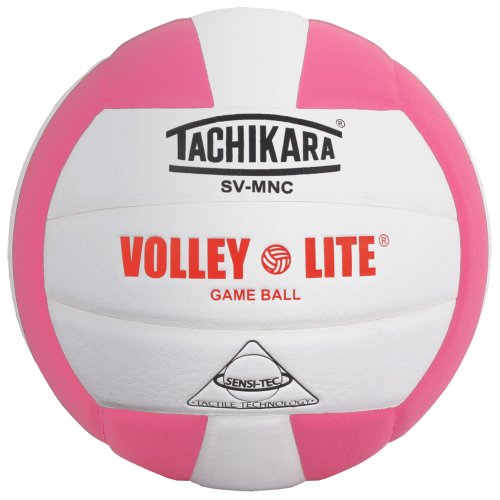
The Tachikara Volley-Lite is built with Single Unit Construction (SUC®). It uses a regulation circumference of 25.6″ to 26.4″ and a weight range of 7.0 to 7.7 ounces, which places it firmly in official size territory while remaining lighter than many standard balls. The bladder is butyl for reliable air retention, and the indoor-use designation makes it ideal for school gyms and home training alike. The notable advantage is its 25% lighter weight, specifically designed to reduce the fear of impact for younger players, enabling smoother learning of passing, setting, and serving fundamentals.
Durability and consistency are consistent with Tachikara’s reputation, so drills and practice sessions can proceed with dependable bounce and feel. This ball suits entry-level groups where confidence and control are as important as technique. If your goal is to establish a solid foundation in a gym or club setting, this Volley-Lite provides a balanced mix of regulation size and learner-friendly weight that can grow with a player through early seasons.
RUN2PEAK Light Soft Volleyball: Beginner Friendly

This RUN2PEAK model is designed for younger players, offering a standard size 5 ball weighing about 230 grams. It’s specifically targeted at players aged 12 and under, enabling easier practice as they build strength and technique. The ball ships deflated and without a pump, so setup can be tailored to user preference. A soft cover provides a gentle touch, reducing arm discomfort during extended drills and improving grip. Its ball construction emphasizes water resistance and versatility, making it suitable for indoor, outdoor, beach, pool, and backyard sessions.
The color scheme—purple, pink, white—helps the ball stand out in various environments. The combination of a soft touch, durable materials, and a weight-friendly profile supports beginners who are learning serving and passing without the sting associated with heavier balls. While it’s ideal for training and casual play, it’s important to have a pump and proper inflation to maintain consistent performance across sessions.
Wilson AVP Soft Play Volleyball: Official Size, Soft Feel

The Wilson AVP Soft Play Volleyball adopts an official size suitable for players 13 and up, aligning with competition standards while offering a softer feel. Its sponge-backed synthetic leather cover creates a noticeably gentler touch on every contact, which can help beginners develop proper hand shaping and control without excessive sting. The combination of high-quality construction and a forgiving surface makes it a practical choice for both practice drills and light competition drills in school or club settings.
Air retention is supported by a quality bladder, and the ball’s overall construction focuses on consistency across sessions. Though designed for older players, younger beginners with a supervised program can benefit from the ball’s comfortable feel as they work on passing accuracy, setting consistency, and core ball-handling skills. Regular inflation checks help maintain the ball’s intended feel and bounce characteristics.
Baden Soft Strike: Cushioned For Gentle Learning

The Baden Soft Strike volleyball is designed with a cushioned synthetic leather cover and an extra foam backing, delivering a notably softer feel on every touch. This reduced sting makes it easier for beginners to practice longer without arm fatigue or discomfort. The ball features an 18-panel construction that helps hold its shape well during drills and random plays, aiding in dependable bounce and control. Its material choices emphasize comfort and longevity for frequent practice sessions in indoor or outdoor environments.
That cushioned surface, combined with precise stitching, supports a friendly introduction to serving and passing, while its official size ensures compatibility with standard drills and routines used in beginner programs. For households and youth leagues focused on skill development rather than competitive play, this Baden model provides a reliable, gentle training tool that can help new players gain confidence quickly.
Baden Softlight VXT1: Lightweight Training Ball

The Baden Softlight VXT1 is marketed as a youth-friendly option with an official size 5, yet it weighs about 20% less than a standard volleyball. The cover uses FlexFoam to eliminate sting, making learning more enjoyable for beginners who are building confidence and form. The ball is designed with soft, durable materials to withstand frequent practice while reducing the risk of arm discomfort during repetitive drills. Age guidance highlights suitability for younger players, typically ages around 10 and under, though it can be used by learners of older ages who appreciate a lighter feel during technique work.
In addition to its reduced weight, the Softlight VXT1 aims to promote safer, longer practice sessions. The no-sting design helps beginners focus on fundamentals such as passing mechanics, hand contact, and ball control without distraction from pain or fatigue. For households and clubs prioritizing a gentle progression toward standard play, this ball offers a practical pathway to higher-level skills without sacrificing comfort.
Buying Guide
Choosing the right beginner volleyball involves balancing weight, feel, and durability with the learner’s age and training environment. Consider how often the ball will be used, whether it will be indoors, outdoors, or both, and what kind of drills you’ll run most often. Below are key purchase considerations and practical comparisons to help you decide which ball best fits your situation.
Size and Weight
For beginners, a lighter ball is often preferable. Official size keeps drills consistent with standard play, but 20% lighter variants or balls around 230 g can reduce arm fatigue while learning serving and passing. Weighing choices: 7.0–7.7 oz is common for regulation balls aimed at younger players, while some youth-focused models offer even lighter handles. A softer feel can also make extended practice sessions more bearable.
Material And Feel
Cover material and padding influence comfort and control. Cushioned or foam-backed covers reduce sting on contact, which helps new players focus on technique rather than pain. PU and synthetic leather blends are common and durable for both indoor and outdoor use. Butyl bladders improve air retention, maintaining consistent bounce across sessions.
Durability And Construction
Look for 18- or 20-panel designs that help maintain shape through drills and games. Strong stitching and reinforced seams prevent quick wear during repetitive practice. A ball designed for beginners should tolerate frequent inflation and deflation, especially in gym or school settings where quick turnovers happen.
Indoor vs Outdoor Use
Indoor balls often feature smoother surfaces and lower sting, while outdoor models are typically more resistant to moisture and rough surfaces. If you plan mixed-use practice, choose a ball described as suitable for both indoor and outdoor play or one with water-resistant properties for versatility.
Age And Skill Level
Look at age recommendations and weight guidance. Youth-focused options may be lighter and softer to help younger players learn proper form without strain. For early learning in clubs or PE classes, a slightly lighter official-size ball often provides the best balance between realism and learner comfort.
Inflation And Maintenance
Some balls ship deflated; plan to have a pump on hand. Regularly check inflation to maintain the intended feel and bounce. Inspect stitching and the cover for wear, especially after frequent drills. A good practice is to rotate balls in use to distribute wear evenly and extend overall life.
Brand And Price Considerations
While price is a factor, durability and feel should guide selection. Reputable brands with a track record of consistent bounce, air retention, and soft touches tend to deliver reliable performance for beginners over time. If possible, choose a ball that aligns with your current level but also offers room to grow as skills advance.
At-a-Glance Comparisons
| Product | Best For | Weight Advantage | Softness |
|---|---|---|---|
| Tachikara Volley-Lite | Younger players in gym drills | About 25% lighter than standard | Moderate softness with indoor focus |
| RUN2PEAK Light Soft | Young beginners; practice at home | ~230 g; lighter for easier contact | Very soft cover and feel |
| Wilson AVP Soft Play | Ages 13+; practice with competition feel | Official size; standard bounce | High softness due to sponge-backed cover |
| Baden Soft Strike | Beginners seeking comfort | Official size; durable | Cushioned leather with soft touch |
| Baden Softlight VXT1 | Youth players; frequent training | About 20% lighter | No Sting FlexFoam; very soft |
Choosing the right beginner volleyball involves aligning the ball’s weight, feel, and durability with the learner’s age and training goals. If you’re coaching a youth program or training at home, prioritize models that offer softer touches and lighter weights to encourage confident, injury-free practice. For players approaching competition, a ball with official size and solid air retention remains essential, but selecting a softer variant can bridge the gap between instruction and game-like play. The five options above cover a spectrum of needs while keeping beginner comfort and safety at the forefront.