Wild camping demands a tent that can withstand unpredictable weather, rugged terrain, and long nights under the stars. The right shelter balances weather resistance, interior space, weight, and ease of setup. This guide reviews five tents that perform well in off-grid settings across the United States, from solo treks to family base camps. Each option below is evaluated for durability, portability, and practical features that matter when you’re miles from a paved road. Use the Buying Guide to compare key decisions before you buy.
| Product | Brand | Capacity | Key Features |
|---|---|---|---|
| ArkTrek 6 Person Tent | Ark Trek | 6 person | 11mm poles; sealed joints; 210D Oxford fabric; ground sheet; rainfly; powerport; easy-access door |
| Camppal 1 Person Tent | camppal | 1 person | 3500–4000mm water resistance; single ridge pole; 3.75 lb; extended length; tear-resistant rip-stop |
| Night Cat Backpacking Tent | Night Cat | 1 person | Fiberglass poles with protective case; double-layer design; 2 kg (4.4 lb); lightweight |
| Coleman Sundome Camping Tent | Coleman | 2–6 person (varies by model) | Weatherproof shelter; rainfly included; broad size range |
| Wakeman 2 Person Tent | Wakeman | 2 person | Fiberglass poles; removable rain fly; ventilation window; interior storage pocket |
ArkTrek 6 Person Tent
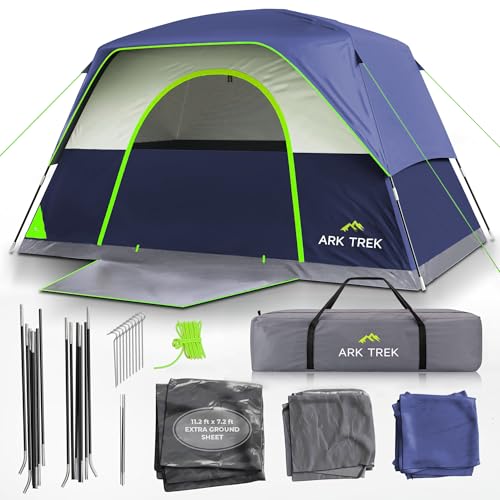
The ArkTrek 6 Person Tent is designed for family or group camping with a rapid setup and robust protection. The tent uses tall 11mm poles that remain stable in windy conditions and sealed joints to block moisture, helping campers stay dry during sudden showers. Its thick 210D Oxford fabric provides durable weather resistance, while the large, accessible door with smooth zippers makes entry and exit convenient in various campsite layouts. A rainfly and ground sheet work together to enhance water protection, and the included welcome mat helps reduce dirt indoors. A built-in power port supports charging devices during long days outdoors. This model leans toward car camping or base campsite use where space is less of a constraint and comfort matters.
In practice, ArkTrek’s design prioritizes a dry interior and straightforward setup for groups. The spacious interior accommodates six sleepers with room for gear, making it a practical pick for weekend family trips, fishing outings, or group hikes where a stable shelter is needed after a long day outdoors. The combination of a robust frame, weatherproof materials, and easy access offers reliable performance in mixed conditions. For campers who value a dependable, roomy tent with thoughtful extras, ArkTrek delivers a balanced option for wild camping near rivers, forests, or coastlines.
Camppal 1 Person Tent

The Camppal 1 Person Tent is tailored for solo backpackers who need a compact, weather-ready shelter. It weighs about 3.75 lb, which helps keep pack weight down on long treks. The tent’s design includes a single ridge pole for straightforward setup and a longer interior length (8.2 ft) to accommodate taller campers or extra gear. With a water resistance rating around 3500–4000mm and reinforced seam work, it offers solid protection against rain and wind. The rip-stop fabric and robust aluminum poles improve durability in windy environments and reduce the risk of tearing during storms or rough handling on uneven terrain.
Given its emphasis on portability and weather protection, Camppal is well-suited for weekend backpacking, alpine routes, or desert crossings where wind and sporadic showers are common. The extended length helps taller adventurers stay comfortable, while the light weight makes it easy to carry long distances. If you need a reliable solo tent that won’t weigh down your pack yet still keeps you dry, Camppal provides a practical balance of convenience and protection for wild camping trips across varied landscapes.
Night Cat Backpacking Tent

The Night Cat Backpacking Tent is designed for one person and ultralight expeditions. The tent emphasizes user protection during assembly with an upgraded fiberglass pole system covered by a protection case, reducing the risk of cuts or scrapes during setup. The double-layer design enhances durability and helps manage condensation, while the compact package size and light overall weight (about 2 kg / 4.4 lb) make it ideal for backpacking, motorcycle trips, or hiking where every ounce matters. The interior layout leaves space for essentials like a sleeping bag, a small pack, and clothing for a single sleeper.
For solo adventures in variable conditions, Night Cat offers a practical balance of protection, portability, and ease of setup. The tent’s light frame and compact form enable rapid pitch on uneven ground or along forest trails after a long day. While it may not provide the expansive space of larger models, it excels where mobility and dependable shelter are priorities. Backpackers who value quick assembly and reliable weather protection will find this Night Cat model a strong match for midsummer to shoulder-season trips.
Coleman Sundome Camping Tent

The Coleman Sundome Camping Tent is presented as a weatherproof shelter suitable for a range of camping scenarios, from casual backyard trips to spontaneous outdoor adventures. The model line emphasizes broad capacity options (2–6 person variants) and durable shelter design, offering a practical option for families or small groups who want reliable protection without sacrificing ease of use. A notable highlight in the product line is its capacity to accommodate campers in cooler nights, with a design that supports warmth down to about 50°F in some configurations. This makes Sundome a versatile choice for moderate climates and weekend excursions near lakes, forests, or beaches.
In practice, Sundome tents are favored for straightforward setup and dependable protection from the elements. They’re well-suited to campers who prioritize a broad range of sizes, quick shelter deployment, and a proven track record for family-friendly use. For hikers or travelers who need a dependable all-around tent that can adapt to different group sizes and sites, the Sundome family offers a compelling combination of simplicity and resilience in wild camping environments.
Wakeman 2 Person Tent

The Wakeman 2 Person Tent is a compact option designed for two campers who still want comfortable space and straightforward setup. It emphasizes a balance between portability and shelter quality, featuring fiberglass poles and a removable rain fly for flexible weather protection. A ventilation window helps regulate airflow to minimize condensation, and an interior storage pocket keeps small gear organized. This model is suitable for short solo trips with a partner, weekend beach trips, or light backpacking where a reliable two-person shelter is desirable without adding excessive bulk to the pack.
For those who favor ease of transport and quick shelter on mild to moderate weather days, Wakeman’s 2 Person Tent offers dependable performance with practical storage and simple assembly. The design is particularly appealing to campers who want a reliable, low-profile tent for forested campsites, coastal cliffs, or park campgrounds where space and weight are considerations. It provides a sensible middle ground between ultra-light solo options and larger family tents for shared wild camping experiences.
Buying Guide
Choosing the right wild camping tent involves weighing capacity, weather readiness, weight, and setup dynamics against your trip profile. Below are key purchase considerations and practical comparisons to help you decide which tent best suits your plans.
- Camping style and capacity: Solo hikers typically prioritize lightweight, compact tents, while families or groups may favor larger tents with extra gear storage. Consider how often you camp with others and whether you’ll need space for packs inside the tent or separate vestibules.
- Weather resistance and materials: Look for robust fabrics and sealed seams, and check the rainfly coverage. A higher water resistance rating and durable ground cloth improve protection during sudden storms or damp nights, especially in forests or near coastal areas.
- Weight and packed size: For backpacking or long approaches, weight matters as much as footprint. Lightweight tents like solo backpacking models are easier to carry, whereas family tents or base camps require more space but offer greater interior comfort.
- Setup speed and complexity: Pop-up or instant-tent designs can save time, while traditional pole-and-clip systems may require a bit more effort but offer sturdy structures. Consider how much time you’re willing to devote to pitching camp after a long day of hiking or paddling.
- Ventilation and condensation control: Proper airflow reduces moisture buildup inside the tent, especially in humid climates or during shoulder-season nights when temps swing.
- Durability and zippers: Look for reinforced zippers and robust seams to withstand repeated use in rough terrain. Double-layer doors and tear-resistant fabrics help extend the tent’s life in wild settings.
- Included accessories and protection: A ground sheet or footprint and a rainfly are valuable, especially when camping on uneven or rocky ground. Consider tents that include these items or are compatible with add-ons you already own.
- Climate suitability and seasonality: If you plan high-altitude or winter trips, opt for tents designed for four-season use with sturdier poles and better insulation, rather than a lightweight summer shelter.
- Price and warranty: Budget-conscious buyers should balance cost against features like weatherproofing, durability, and warranty coverage. A solid warranty can be valuable for gear you rely on in remote locations.
In summary, the right tent for wild camping depends on where you camp, how many campers you bring, and how much weight you’re willing to carry. For family-friendly base camping near rivers or forests, a larger, more rugged model with a ground sheet and robust weather protection is ideal. For solo treks, a compact, lightweight tent with good ventilation and reliable weather performance is typically the best choice. By comparing the five tents above through the lens of capacity, weather protection, and setup practicality, you can select a shelter that suits your next outdoor expedition.